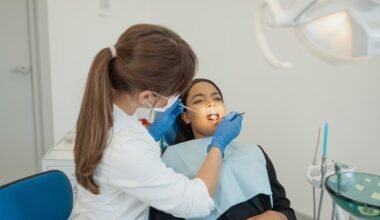
Strong family dental habits do not require a perfect schedule. They grow from small actions repeated often, especially during busy Katy school mornings, long commutes, sports practices, and family weekends. When brushing, cleaning between teeth, and routine checkups are ordinary parts of home life, children are more likely to carry those habits into adulthood.
For families who want one local team to support those routines, a dentist in Katy, TX, Sapphire Family Dentistry provides family-focused care that includes preventive, restorative, cosmetic, implant, and emergency dental services. Located near the Katy Freeway, the practice serves patients in Katy as well as nearby Cinco Ranch, Fulshear, Grand Lakes, Elyson, and Firethorne, making it easier for parents, teens, and older adults to maintain care with a familiar dental team.
Start With a Simple Morning and Night Routine
Brush twice daily with fluoride toothpaste and a soft-bristled toothbrush for about two minutes. Use a timer, song, or sand timer to help kids who finish too quickly. Supervise younger children in a calm, predictable way. Let them take turns first, then explain an adult will check the teeth. Keep supplies visible to avoid rushed searches.
Add Cleaning Between the Teeth
Toothbrush bristles clean the front, back, and chewing surfaces of the teeth, but they do not fully reach the tight spaces where the teeth touch. Floss, floss picks, or interdental brushes can help clean those areas. Children generally need assistance until they have the hand coordination to do it thoroughly, and cleaning between teeth should begin once two teeth touch.
A Simple Flossing Method
- Guide the floss gently between two teeth without snapping it into the gums.
- Curve it into a C shape against one tooth.
- Move it up and down along the side of that tooth.
- Repeat against the neighboring tooth before moving to the next space.
Make Food and Drink Choices Easier
Frequent exposure to sugar gives mouth bacteria repeated opportunities to make acids that can contribute to tooth decay. This does not mean every family’s food choices have to be restrictive. It means making lower-sugar choices more convenient between meals and treating sweet drinks or sticky snacks as occasional items rather than all-day habits.
- Choose water more often than soda, sweet tea, sports drinks, or juice drinks.
- Pack fresh fruit, cheese, yogurt, vegetables, or nuts when appropriate instead of sticky candy.
- Serve sweet foods with a meal rather than grazing on them over several hours.
- Keep a reusable water bottle ready for school, errands, practices, and hot Katy afternoons.
Healthy eating benefits the entire body, and simple oral-health steps can be especially meaningful for children. The CDC’s guidance for children’s oral health notes that cavities are the most common chronic disease of childhood in the United States and that more than half of children ages 6 to 8 have had a cavity in at least one baby tooth.
Teach Children Without Creating Fear
Children often learn best by watching. Brush together, use plain, positive language, and let them make small choices, such as choosing between two toothbrush colors. Praise effort when a child is still learning, even if an adult needs to finish the job. Avoid using the dentist as a threat or describing treatment in frightening terms, since such messages can make future visits harder.
Short routines can make a difference. A sticker chart, a familiar bedtime song, or a favorite picture book about brushing gives younger children a clear cue that dental care is simply what the family does before bed.
Know When Children Need Extra Help
Parents and caregivers should take an active role in children’s brushing. For children younger than 3, ask a dentist or health professional about using fluoride toothpaste. For children ages 3 to 6, use a pea-sized amount of fluoride toothpaste and supervise brushing so they spit it out rather than swallow it. A child’s first dental visit should take place by the first birthday or when the first tooth appears.
Use Preventive Dental Care to Catch Problems Early
A dental concern does not always hurt at first. Routine exams and cleanings can help identify changes before they become more complicated. Depending on a person’s age, dental history, diet, medications, gum health, and cavity risk, a dentist may also recommend X-rays, fluoride treatment, or sealants.
Sealants are thin protective coatings placed on the chewing surfaces of back teeth, where grooves can trap food and bacteria. According to CDC information on dental sealants, they can prevent up to 80 percent of cavities for 2 years and continue providing protection for several more years. They are commonly considered for children and teens after permanent molars come in, although some adults may also benefit.
Build a Routine That Works for Busy Families
- Pick one dependable morning brushing cue, such as getting dressed or putting on shoes.
- Make nighttime brushing the final step before bed, after snacks and drinks.
- Keep supplies easy to see and replace worn toothbrushes regularly.
- Schedule appointments before school calendars and holiday plans become crowded.
- Ask whether family members can be seen during the same visit window when appropriate.
- Pack a compact dental kit for travel, sleepovers, or weekend trips.
Signs That Should Not Be Ignored
Contact a dental office promptly for ongoing tooth pain, gum or facial swelling, drainage, continued bleeding during brushing, strong sensitivity to hot, cold, or sweet foods, persistent bad breath, or a cracked, loose, or knocked-out tooth. Severe swelling, trouble breathing, or difficulty swallowing requires urgent medical attention.
A One-Week Family Dental Reset
- Day 1:Replace worn toothbrushes.
- Day 2:Set a two-minute brushing timer.
- Day 3:Add one nightly flossing reminder.
- Day 4:Swap one sugary drink for water.
- Day 5:Check whether children need hands-on brushing help.
- Day 6:Review upcoming dental appointments.
- Day 7:Choose one habit to continue for the next month.
Common Questions About Family Dental Habits
How often should a family visit the dentist?
There is no single schedule that fits every person. Visit timing should reflect each family member’s oral health, cavity risk, gum condition, age, and treatment history.
Should parents help older children brush?
Yes, when needed. Parents can gradually step back as coordination improves while still checking consistency and technique.
What if someone misses one night of brushing?
Return to the routine at the next opportunity. One missed night does not erase progress, but repeated gaps can make good habits harder to maintain.
Final Takeaway
Healthy family smiles are built through steady routines, not guilt or perfection. Brushing twice a day, cleaning between teeth, choosing water more often, supporting children as they learn, and keeping preventive visits on the calendar can help Katy families protect their oral health in 2026 and beyond.