A heating system rarely fails at a convenient time. A small issue that goes unnoticed today can become an expensive repair when the system is working hardest during cold weather. That is why routine maintenance matters, especially for homeowners who rely on their furnace, heat pump, boiler, or other heating equipment throughout the winter.
Regular upkeep is not simply about keeping a home comfortable. It can help identify developing problems, support efficient operation, and reduce the likelihood of avoidable breakdowns. Understanding the most common heating maintenance mistakes can help homeowners protect their equipment and avoid unnecessary expenses. If you need professional help, heating services in Colorado Springs can provide maintenance, repair, installation, and replacement options.
Skipping Annual Heating Maintenance
One of the biggest mistakes homeowners make is waiting until something goes wrong before having their heating system inspected. Like other mechanical equipment, heating systems contain components that can become dirty, worn, loose, or damaged over time.
A professional maintenance visit can give a technician an opportunity to inspect the system, identify potential problems, and make appropriate adjustments. The exact maintenance tasks depend on the type of equipment, but a thorough inspection generally focuses on safe operation, system performance, airflow, and component condition.
Scheduling maintenance before the heating season gets underway can also give you more time to address problems before you depend on the system every day.
Neglecting the Air Filter
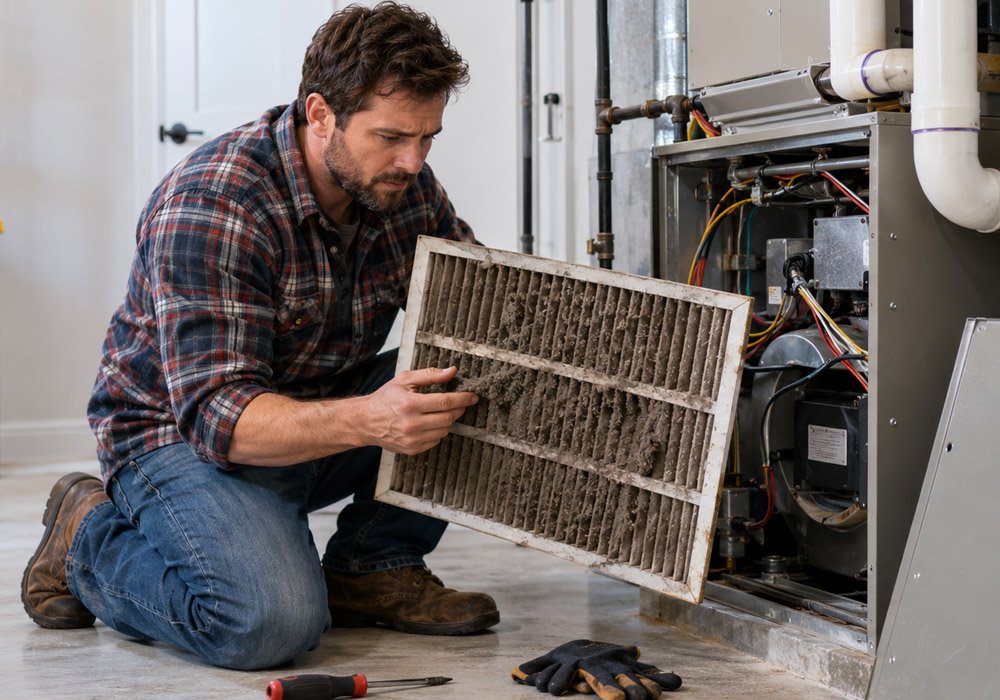
The air filter is easy to overlook because it is inexpensive and relatively simple to replace. However, a heavily loaded filter can restrict airflow and make the heating system work harder to move air through the home.
How often a filter needs to be changed depends on factors such as the filter type, system design, household conditions, and manufacturer recommendations. Rather than following a universal replacement schedule, check the filter regularly and follow the guidance for your particular system.
A dirty filter is also not always the only reason for poor airflow. If replacing it does not resolve the issue, there may be another problem that requires professional attention.
Ignoring Strange Sounds or Smells
Unusual noises should not automatically be dismissed as normal heating-system sounds. Rattling, grinding, squealing, banging, or repeated clicking can indicate that a component needs inspection.
The same principle applies to unusual odors. A brief smell when a heating system is first turned on after sitting unused may have a simple explanation, such as dust burning off. Persistent or unusual smells, however, should not be ignored.
If you notice a suspected gas leak or a potentially dangerous combustion-related problem, leave the area and contact the appropriate emergency or utility service rather than attempting to diagnose the equipment yourself.
Blocking Vents and Registers
Furniture, rugs, curtains, and other household items can accidentally obstruct supply vents and return grilles. Even when the heating equipment itself is operating correctly, restricted airflow can affect how effectively conditioned air moves through the home.
Walk through each room and make sure vents and registers remain reasonably clear. This is a simple maintenance habit that costs nothing and can help your heating system distribute air more effectively.
Do not close or block vents simply because a particular room feels warmer. If certain areas of the house consistently have major temperature differences, the underlying cause may involve airflow, ductwork, insulation, zoning, or system sizing.
Forgetting About Thermostat Problems
Sometimes the heating system is not the real problem. A thermostat that is poorly positioned, incorrectly programmed, or malfunctioning can affect comfort and system operation.
Keep the thermostat away from obvious sources of heat or drafts, such as direct sunlight, cooking appliances, exterior doors, or supply vents. If your thermostat uses batteries, check them according to the manufacturer’s recommendations.
If the thermostat displays an error, fails to respond, or appears to call for heat without the system responding, professional troubleshooting may be necessary.
Trying to Fix Complex Problems Yourself
DIY maintenance has its limits. Replacing a standard air filter or keeping vents clear is generally straightforward, but heating systems contain electrical, mechanical, and, in some cases, combustion-related components that require appropriate training and precautions.
Attempting a complex repair without the right knowledge can create additional damage or introduce safety risks. When a problem involves wiring, gas components, ignition systems, refrigerant, burners, or unfamiliar internal parts, it is better to have a qualified HVAC professional evaluate it.
A Simple Heating Maintenance Checklist
Homeowners can reduce common maintenance mistakes by building a few straightforward habits into their routine:
- Check the air filter regularly and replace it when appropriate.
- Keep supply vents and return grilles unobstructed.
- Pay attention to unusual sounds, smells, or changes in performance.
- Check that the thermostat is operating correctly.
- Keep the area around heating equipment reasonably clean and accessible.
- Schedule professional maintenance according to the equipment manufacturer’s recommendations.
- Address small performance changes instead of waiting for a complete breakdown.
These steps do not replace professional service, but they can help homeowners notice potential problems earlier.
Waiting Until Winter to Call for Service
Another common mistake is scheduling maintenance only after temperatures drop and the heating system suddenly stops working. Once cold weather arrives, HVAC companies may be dealing with a higher volume of service calls, making it harder to address non-emergency issues immediately.
Planning ahead gives you an opportunity to have the system evaluated before heavy seasonal use. It also allows time to make informed decisions if the technician discovers a repair or replacement issue.
For older systems, maintenance can be particularly useful because it provides an opportunity to understand the equipment’s condition and plan for future expenses rather than making rushed decisions after an unexpected failure.
Follow the Manufacturer’s Recommendations
There is no single maintenance routine that applies equally to every heating system. Furnaces, boilers, heat pumps, radiant systems, and ductless equipment have different components and service requirements.
Your owner’s manual is therefore an important resource. It can provide information about recommended filter types, maintenance intervals, operating procedures, and other system-specific requirements.
When professional service is needed, give the technician information about unusual behavior you’ve noticed. Details such as when the problem occurs, how long it has been happening, and whether it affects the entire home can make troubleshooting more efficient.
Conclusion
Avoiding common heating maintenance mistakes is one of the simplest ways to protect your heating system and manage long-term HVAC costs. Neglecting routine inspections, failing to replace dirty air filters, obstructing vents, overlooking unusual sounds, and attempting complicated repairs without professional experience can all create unnecessary problems. Regular heating maintenance helps homeowners identify potential issues before they develop into major breakdowns while supporting consistent indoor comfort and dependable system performance.
Following the manufacturer’s maintenance recommendations, keeping airflow unrestricted, checking the thermostat, and scheduling professional heating service when necessary are practical steps every homeowner can take. Most importantly, do not wait for your heating system to fail during cold weather. Proactive care and timely HVAC maintenance can help extend equipment performance and reduce the risk of unexpected heating repair expenses.