Key Takeaways
- Guided implant surgery can support detailed planning, but it does not replace the dentist’s clinical judgment.
- A complete implant plan considers bone, gums, bite forces, medical history, and the final crown or bridge.
- Patients should understand what imaging, surgical guidance, restoration, and follow-up care are included.
- Technology may improve placement accuracy, while long-term results still rely on healing, home care, and professional maintenance.
- A written estimate should separate diagnostics, grafting, surgery, restorations, and future maintenance needs.
Why Questions Matter Before Implant Treatment
For patients in Greenacres and throughout Palm Beach County, dental implant treatment may involve more than placing a single implant post. Depending on the case, care can include an examination, imaging, tooth removal, gum treatment, bone grafting, healing time, and a final crown, bridge, or denture. Asking informed questions early helps patients understand the sequence of care rather than focusing only on the surgical appointment.
Patients researching robotic dental implants Greenacres, FL can review how Ferber Dental describes the use of X-Guide navigation and Yomi robotic assistance in implant planning and placement. Ferber Dental is a Greenacres practice serving patients in the surrounding Palm Beach County area, and its implant-focused information explains how digital scans, guided workflows, and clinician oversight can be combined for appropriate cases.
A low introductory price may not show the complete financial picture. A useful treatment discussion should clarify whether the quoted amount includes the implant, abutment, final restoration, temporary tooth, anesthesia, imaging, grafting, and post-treatment visits. Comparing complete plans helps prevent surprises later in the process.
What Guided Implant Surgery Means
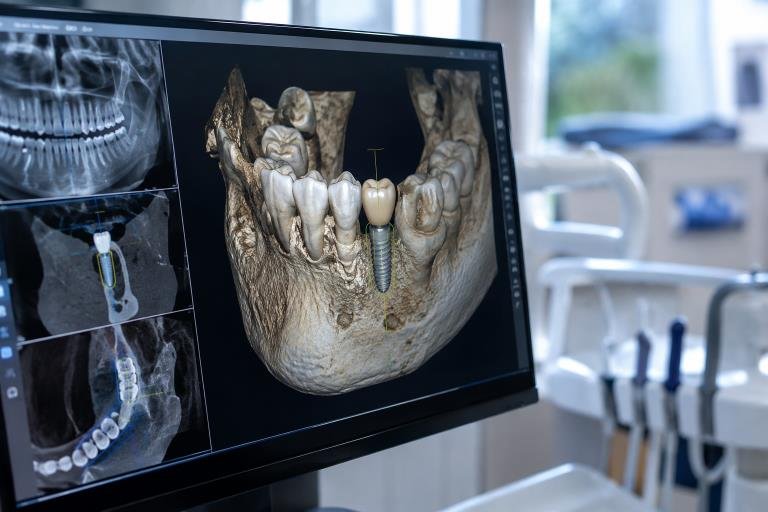
Guided implant surgery uses digital records to help plan where an implant may be positioned before surgery. The dental team may consider available bone, nearby tooth roots, sinus spaces, nerves, gum contours, and the shape of the future restoration. The goal is to plan the implant around the final tooth replacement whenever possible, not simply around the area where bone is available.
Guided does not mean automatic or risk-free. A systematic review of guided dental implant surgery discusses both the potential advantages of guided approaches and the limits of the available evidence. Technology can contribute useful information, but the provider must still evaluate the patient, manage the tissue, and make decisions throughout treatment.
Imaging and Treatment Planning Questions
Not every patient needs the same records. A provider may use photographs, digital impressions, regular dental X-rays, or three-dimensional cone-beam imaging based on the complexity of the case. The important issue is whether the information is sufficient to support a careful plan.
Questions to Ask During Planning
- What do the images show about bone height, width, and quality?
- Are nerves, sinus areas, or neighboring roots close to the planned implant site?
- Do I need gum treatment, an extraction, or bone grafting before implant placement?
- How will the final crown, bridge, or denture influence the implant position?
- What would cause the original plan to change during surgery?
Static, Dynamic, and Robotic Assistance
Guidance systems are often grouped into three broad categories. Each may fit some situations better than others, and none removes the need for an experienced clinician.
- Static guidance: A custom surgical guide helps direct the planned implant position.
- Dynamic navigation: The clinician receives real-time visual feedback about drill position, angle, and depth.
- Robotic assistance: A system can help guide movement within a planned path while the dental professional retains control of the procedure.
An umbrella review comparing guided and freehand implant surgery distinguishes placement accuracy from overall treatment success. More precise positioning may be valuable, but healing, gum health, bone quality, tobacco use, bite pressure, medical factors, and daily cleaning remain important parts of the outcome.
Candidacy, Recovery, and Long-Term Care
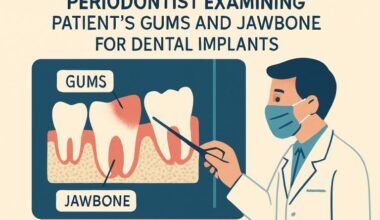
Only an in-person examination can determine whether implants are appropriate. Candidates may need enough healthy bone for support or a realistic grafting plan. Active gum disease should be addressed, health conditions that affect healing should be reviewed, and patients should discuss smoking or vaping honestly. A patient with inflammation around a missing tooth site, for example, may need periodontal care or grafting before implant surgery can be considered.
Recovery varies by the procedure. Tenderness, swelling, and temporary food changes are common topics to discuss with the treating office. Patients should follow their provider’s written instructions and ask which symptoms require a prompt call. Implant care continues after the final crown is placed through daily cleaning, routine professional visits, and bite checks when recommended.
Cost, Timeline, and Choosing a Provider
Some implant cases progress in a relatively short period, while others require additional healing after extraction or grafting. The timeline can depend on implant stability, infection control, bone conditions, and the type of restoration planned.
What a Written Estimate Should Clarify
- Consultation, imaging, and planning fees.
- Extraction, grafting, or gum treatment when needed.
- Implant surgery, abutment, and final crown, bridge, or denture.
- Sedation, temporary teeth, adjustments, and follow-up appointments.
- Future maintenance, repairs, or replacement considerations.
When reviewing a provider, ask who will plan the case, place the implant, and complete the restoration. Patients can also ask how frequently the team performs guided cases, how unexpected findings are handled, and whether the office provides follow-up care after the final restoration is delivered.
Common Questions About Guided Implant Surgery
Does guided surgery guarantee implant success?
No. Guided surgery can support planning and placement, but successful treatment also depends on healing, oral hygiene, gum health, bite forces, and regular maintenance.
Is robotic implant surgery fully automatic?
No. Robotic and navigation systems assist the dental professional. The provider remains responsible for diagnosis, treatment decisions, and surgical control.
How long does the full process take?
The process may range from weeks to months, depending on whether extraction, grafting, healing, or staged treatment is needed before the final restoration.
Conclusion
Guided and robotic implant technologies can be useful parts of a modern treatment plan in Greenacres, Florida, but they are only one part of the larger care process. Clear questions about planning, costs, recovery, provider experience, and long-term maintenance can help patients make a more confident and informed decision.