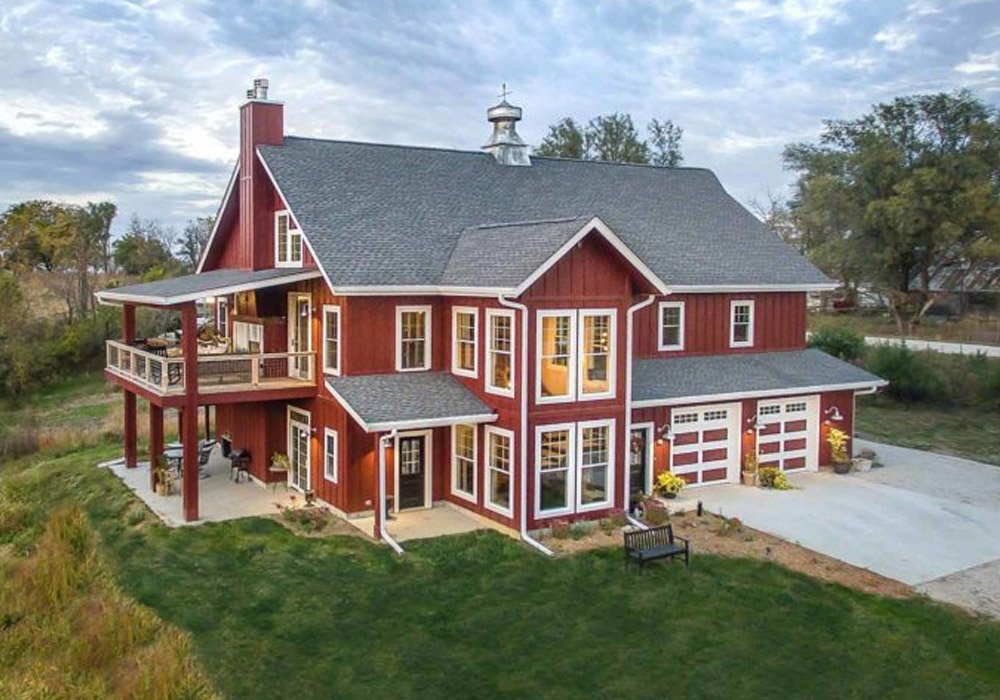
Not every outbuilding is created equal. A bare-bones pole shed might keep the rain off your equipment, but it does very little for the worth of your land. Well-designed custom horse barns, on the other hand, consistently rank among the structures that appraisers, real estate agents, and buyers notice first on rural and acreage properties. The reason comes down to function. A barn that actually works for horses, equipment, and daily farm life appeals to a much wider pool of future buyers than a generic storage shell ever will.
That said, not every upgrade earns its money back. Some features add genuine resale value and daily usefulness. Others just add cost. If you are planning a barn project and want your investment to hold up over time, here are the features that tend to pay off, and a few that do not.
A Layout That Works for More Than Horses
The single biggest value driver in any custom barn is flexibility. Buyers shopping rural properties are a mixed crowd. Some have horses, some have cattle, some keep a few goats, and many just want serious storage and workspace. A barn designed with a sensible configuration, standard 12×12 stall dimensions, and wide door openings can serve all of those purposes with minimal modification.
Stalls built with removable or repositionable partitions are especially smart. Today they house horses. In ten years, the same footprint can become kidding pens, a workshop, or secure equipment storage. That kind of adaptability is exactly what appraisers mean when they talk about functional utility, and it is why a thoughtfully planned custom barn outperforms a shed row or lean-to of the same square footage.
This is also where barn style matters more than most people realize. A row barn, where stalls open directly to the outside, keeps things simple and affordable while still giving each horse its own shelter, light, and airflow. An aisle barn, with stalls opening onto a covered central aisle, adds all-weather working space and room for tack and feed storage under one roof. Neither is universally better. The value comes from matching the style to how the property will actually be used, and from choosing a layout that can flex if that use changes down the road.
Water Access and Wash Areas
Plumbing is one of the features that separates a valuable barn from a merely convenient one. A frost-free hydrant near the barn, or better yet, plumbed wash areas with hot and cold water, changes daily life on the property. Hosing off a muddy horse in January, filling buckets without hauling them, and washing tack without dragging everything to the house are all things owners do constantly.
From a resale standpoint, a wash area with good drainage is one of the most mentioned features in equestrian property listings. It is relatively inexpensive to plan for during construction and painful to retrofit later. Even if the barn itself ships without plumbing, thinking ahead about where water will come from and where it will drain pays off the first time you are filling buckets in a snowstorm.
A Tack Room Worth Locking
A secure, well-built tack room does two jobs. It protects your saddles, bridles, and gear from temperature swings and rodents, and it gives the property a finished, purpose-built feel that buyers respond to.
The features that matter here are practical rather than fancy: a solid door with a real lock, saddle racks and bridle hooks mounted properly, a window for light and airflow, and a floor that keeps moisture out. A dedicated storage room with a service door and window, standard on many quality barn packages, gives you a head start here. You do not need chandeliers. You need a room that says “someone serious built this.”
Ventilation and Natural Light
Horse health aside, ventilation is a value feature because it protects the structure itself. A barn that breathes well stays drier, which means less rot in the framing, less rust on hardware, and fewer ruined boards from urine and humidity. Ridge vents, cupolas, generous eave overhangs, and Dutch doors on each stall keep air moving year-round.
Natural light plays a similar double role. Windows on every stall, a common feature in well-built barns, cut down on the “dark cave” feeling of many outbuildings, and make the space far more pleasant to work in. When prospective buyers step inside a bright, airy barn versus a dim one, the difference in their reaction is immediate and hard to overstate.
A Roof Built to Outlast You
Value in a barn is mostly about longevity, and nothing determines longevity like the roof. There is a real difference between a roof that is stapled down and one that is properly nailed, between bargain shingles and lifetime architectural shingles, and between a low-slope roof that pools water and a pitched roof that sheds it. A quality shingled roof, or an upgraded metal roof in heavy snow or high-wind regions, will weather decades with almost no maintenance. Cheap roofing, by contrast, is one of the first things a knowledgeable buyer or inspector will spot.
The same logic applies to the ground you build on. Grading that carries water away from the foundation, gravel or compacted footing in high-traffic areas, and good drainage around the site all extend the life of the building. Erosion around a barn is a silent killer of value. Water that pools at the base of a wall today is a rotted sill plate in five years.
Materials That Hold Up to Real Use
The details that seem small at purchase time are the ones that decide whether a barn still looks good in fifteen years. Solid oak framing and oak kick boards, rather than softwood that a bored or panicked horse can kick through, protect both the animal and the structure. Board and batten siding, properly fastened, ages better and looks better than cheap sheet siding. Powder-coated grills and hardware resist rust far longer than painted equivalents, which is the kind of difference nobody notices on delivery day and everybody notices a decade later.
These are the features that quietly protect value. A buyer walking through a used barn can tell within a minute whether it was built with real materials or built down to a price, and their offer reflects that judgment.
Storage That Solves Real Problems
Hay and feed storage is the big one. A dedicated storage room or a dry, well-ventilated bay sized for a season of feed reduces fire risk when properly separated from the stalls, and it saves the endless chore of hauling supplies from an off-site location.
Beyond feed, think about the equipment a rural property accumulates: trailers, mowers, four-wheelers, tools. A lean-to added to the barn provides covered space for feeding, tack, and equipment at a fraction of the cost of enclosed square footage, and it gives the property a flexibility that buyers love. Wide openings and enough clearance to back a truck or tractor under cover add everyday utility that translates directly into property value.
Features That Do Not Pay Off
For balance, a few popular upgrades tend to underperform as investments:
- Elaborate finish work. Ornate trim, cupola weathervanes, and decorative lighting are lovely, but they rarely add appraised value anywhere near their cost.
- Overbuilding stall count. A twelve-stall barn on a property that realistically supports four horses is dead space to most buyers. Build for the land, not the dream.
- Heating the whole barn. Full barn heating is expensive to run, and horses generally do better in cooler, well-ventilated spaces. Heat the tack room instead.
- Cheap shortcuts on the shell. Skimping on framing, roofing, or site prep to afford cosmetic upgrades is the most common and most costly mistake. The bones come first.
The Bottom Line
A barn adds real value to a property when it is useful, durable, and adaptable. Water access, ventilation, natural light, secure storage, quality materials, and a layout that can flex with a future owner’s needs are the features that appraisers can point to and buyers can picture themselves using. Cosmetic flourishes are fine if they make you happy, but they are not where the return lives.
If you are in the planning stages, the best advice is simple: spend on the structure and the materials, keep the layout flexible, and build for the property you have. Do that, and your barn will be an asset the day it is finished and for decades after, whether you are the one filling the stalls or the one signing the listing agreement.