Evaluating Modern Residential Fencing Solutions by Material and Style
We all love our decks. They are perfect for relaxing, cooking, and spending time with family and friends. But it’s hard to truly relax when you feel like everyone is watching. We know that privacy is a top concern for many homeowners. In fact, over 70% of us want more privacy when we upgrade our outdoor spaces. This need for seclusion has grown significantly in recent years.
Creating a private deck turns it into your own special retreat. It lets you enjoy your space without feeling exposed. But with so many ways to add privacy, how do you choose?
This guide will help you find the best deck privacy ideas for your home. We will look at different options, like plants, screens, fences, and curtains. We’ll compare their costs, how easy they are to install, and how much care they need. We will also cover important things like local rules and permits. Our goal is to help you pick the perfect residential fencing solutions that look great and give you the privacy you deserve.
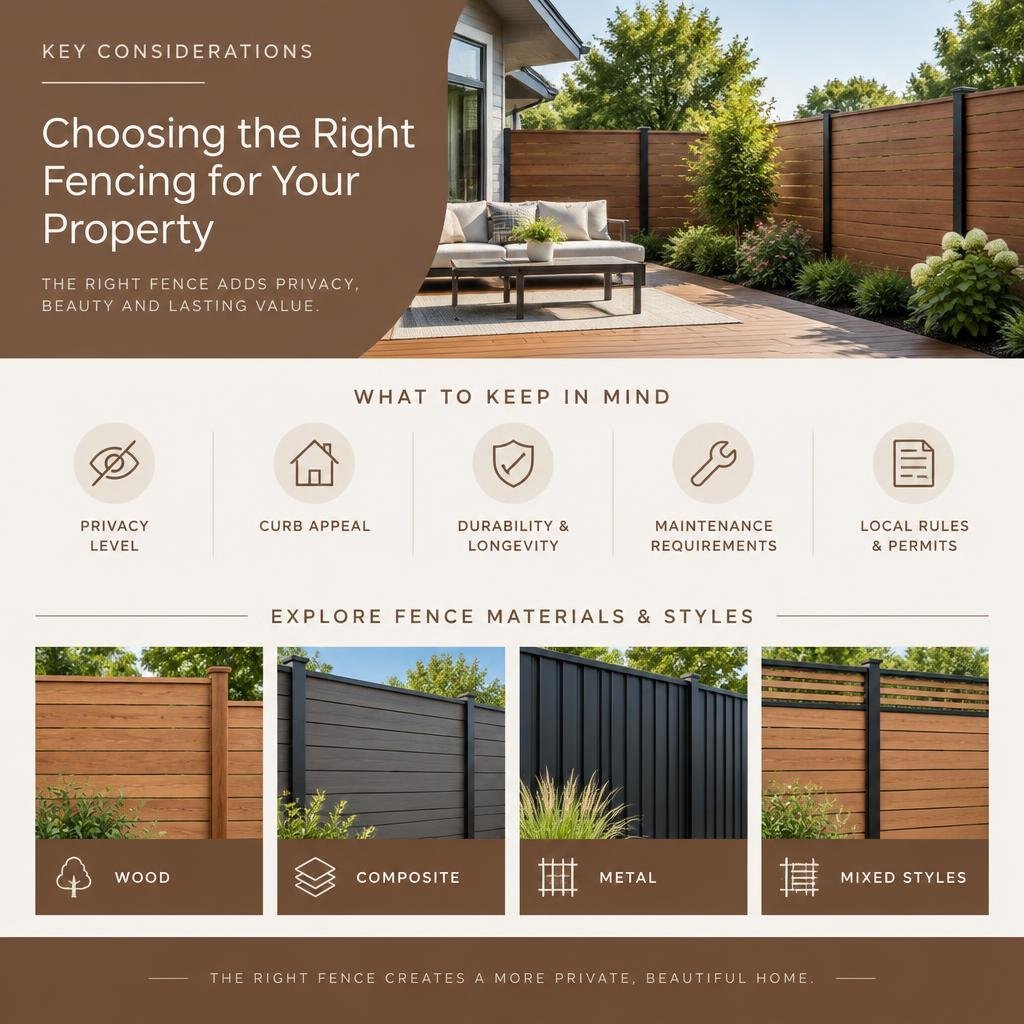
When considering deck privacy, the choice of material and style is paramount. It influences not only the aesthetic appeal but also the structural longevity, maintenance requirements, and overall effectiveness of your privacy solution. From traditional wood to contemporary composites and sleek metals, each option offers distinct advantages.
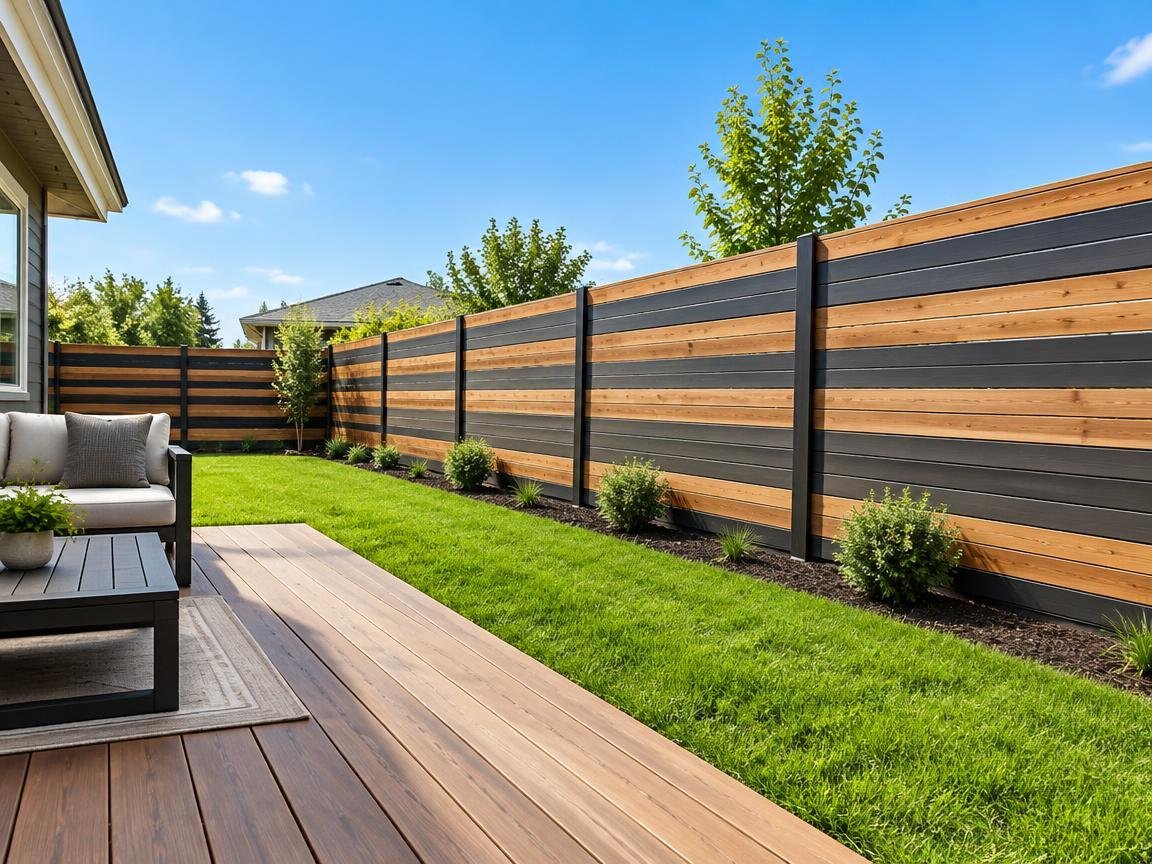
To help you navigate these choices, we’ve outlined a comparison of common materials:
Material Type Lifespan (Years) Maintenance Level Cost (per linear foot, average) Key Characteristics Wood (Treated) 15-20 Medium-High $20 – $50 Natural look, requires staining/sealing, prone to weathering Wood (Cedar) 20-25 Medium $30 – $60 Naturally rot-resistant, fades to grey, less maintenance than treated pine Composite 25-30+ Low $40 – $70 Durable, low maintenance, wide range of colors, can be more expensive upfront Vinyl 30+ Very Low $30 – $60 Highly durable, no painting/staining, limited color options Aluminum 50+ Very Low $35 – $75 Sleek, modern, excellent wind resistance, often used for railings Glass 20+ Medium $80 – $150 Modern, allows light, requires frequent cleaning, high upfront cost Wood and Composite Residential Fencing Solutions
Wood remains a timeless choice for deck privacy, offering a natural warmth and classic appeal. Options like pressure-treated lumber provide good durability at an accessible price point, though they require regular maintenance such as staining or sealing every 3-5 years to protect against weathering and rot. Cedar boards, while a bit more expensive, offer natural resistance to insects and decay, often requiring less frequent treatment. When designing with wood, it’s crucial to account for its natural properties; wood swells in humidity and shrinks in winter, necessitating small gaps between boards to prevent buckling and allow for thermal expansion. Horizontal slat designs are particularly popular in 2026 for their modern aesthetic, but proper board spacing is essential for both structural integrity and visual appeal.
For those seeking a lower-maintenance alternative, composite materials have surged in popularity. Made from a blend of wood fibers and recycled plastics, composite privacy panels offer exceptional durability and resist rot, warping, and insect damage without the need for painting or staining. While the initial investment might be higher than wood, the long-term savings in maintenance often make composite a cost-effective choice. Homeowners also appreciate that darker composite decking colors can be more forgiving, effectively hiding pollen and dirt compared to lighter shades, ensuring your deck looks pristine with minimal effort.
Metal, Glass, and Hybrid Residential Fencing Solutions
Beyond traditional wood and composite, modern design trends in 2026 are embracing metal, glass, and hybrid solutions for deck privacy. Powder-coated aluminum offers a sleek, contemporary aesthetic that is highly durable and resistant to corrosion, making it an excellent choice for various climates. Its open designs often allow for better wind resistance while still providing a visual barrier.
For a truly modern and airy feel, tempered glass panels are an increasingly popular option. While they may seem counterintuitive for privacy, innovations like frosted film on tempered glass railings can effectively blur unwanted views while still allowing natural light to permeate the space. This creates a bright, open atmosphere without sacrificing seclusion. Safety standards are paramount with glass installations, requiring careful verification during planning. Hybrid systems, which might combine metal posts with wood or composite panels, or even incorporate elements like adjustable louvers, offer the best of both worlds, blending different materials to achieve specific aesthetic and functional goals, such as enhanced sightline deflection or adjustable privacy. Metal post systems, for instance, are praised for allowing boards to slide into grooves without additional fasteners, simplifying installation and future board replacement.
Structural Design and Installation Factors for Deck and Perimeter Fences
The effectiveness and longevity of any deck privacy solution heavily depend on sound structural design and proper installation. This involves careful consideration of foundational elements, post placement, and how the structure interacts with its environment. Key factors include ensuring adequate foundation footings that extend below the frost line to prevent shifting, especially in colder climates. Post spacing is also critical; for instance, metal posts are typically recommended to be no more than 6 feet apart to maintain stability and prevent board warping. Concrete anchors are essential for securing posts firmly to existing deck structures or concrete pads, guaranteeing a robust build.
When dealing with uneven or sloped terrain, innovative solutions like stepped panels (where sections follow the ground’s contour in steps) or sloped panels (where the entire fence line follows the slope) become necessary. Each approach has its own structural implications, with stepped panels often being structurally simpler and presenting a more professional finish. Understanding the structural load and wind resistance capabilities of your chosen design is vital, particularly for taller privacy features that may be exposed to strong gusts. Meticulous calculations are often required for structures like pergolas to ensure they can withstand environmental forces.
DIY Assembly Versus Professional Installation
Deciding between DIY assembly and professional installation is a significant consideration for homeowners. DIY projects, such as building a simple privacy wall, can be incredibly rewarding and cost-effective if you have the right tools, skills, and time. Many online guides provide step-by-step instructions for tasks like installing posts with lag screws, leveling, and cutting boards. However, DIY projects demand a thorough understanding of building safety, proper tool usage, and the ability to troubleshoot unexpected challenges. Weather, for instance, can impact project timelines, sometimes forcing on-site staining when pre-staining was planned.
Conversely, professional installation offers peace of mind. Experts bring specialized tools, extensive experience, and a deep understanding of structural requirements and local building codes. They can efficiently handle complex installations, ensure structural integrity, and often provide warranties on their work. While the upfront cost is higher, the labor efficiency, guaranteed safety, and assurance of a long-lasting, compliant structure often outweigh the expense, especially for larger or more intricate privacy features. Custom-designed barriers, in particular, often benefit from professional expertise to ensure they are both effective and aesthetically integrated.
Navigating Permits, Property Lines, and HOA Guidelines
Before embarking on any significant deck privacy project, it is crucial to navigate the regulatory landscape. Ignoring these steps can lead to costly fines, mandatory removal of structures, or disputes with neighbors.
First, always verify your property lines. Hiring a surveyor to locate precise boundaries is a wise investment, as guessing can lead to encroachment issues. Next, familiarize yourself with local municipal bylaws. These regulations dictate critical factors such as height limits for fences (often 6-8 feet, but sometimes as low as 6 feet in municipalities like those in Canada) and setback rules, specifying how far a structure must be from property lines. Permanent structures, including many privacy fences and pergolas, typically require building permits, and obtain these before construction begins.
Additionally, always call for utility locates before any digging. This prevents accidental damage to underground gas, water, or electrical lines, which can be dangerous and extremely expensive to repair. Finally, if you live in a community with a Homeowners Association (HOA), carefully review their guidelines and covenants. HOAs often have specific rules regarding fence materials, styles, colors, and maximum heights to maintain neighborhood aesthetics. Understanding these requirements upfront ensures your project aligns with community standards and avoids potential conflicts. For specific guidance on local regulations and the diverse range of residential fencing solutions available, consulting regional experts can provide invaluable insights tailored to your area.
Enhancing Seclusion with Multi-Layered Privacy Features
Achieving true deck privacy often goes beyond a single fence or screen; it involves a thoughtful, multi-layered approach. By combining various elements, homeowners can create a secluded outdoor oasis that not only blocks unwanted views but also offers sound dampening, microclimate control, and optimized natural airflow. This layered screening approach allows for the creation of distinct, zoned living areas on the deck, enhancing both functionality and comfort.
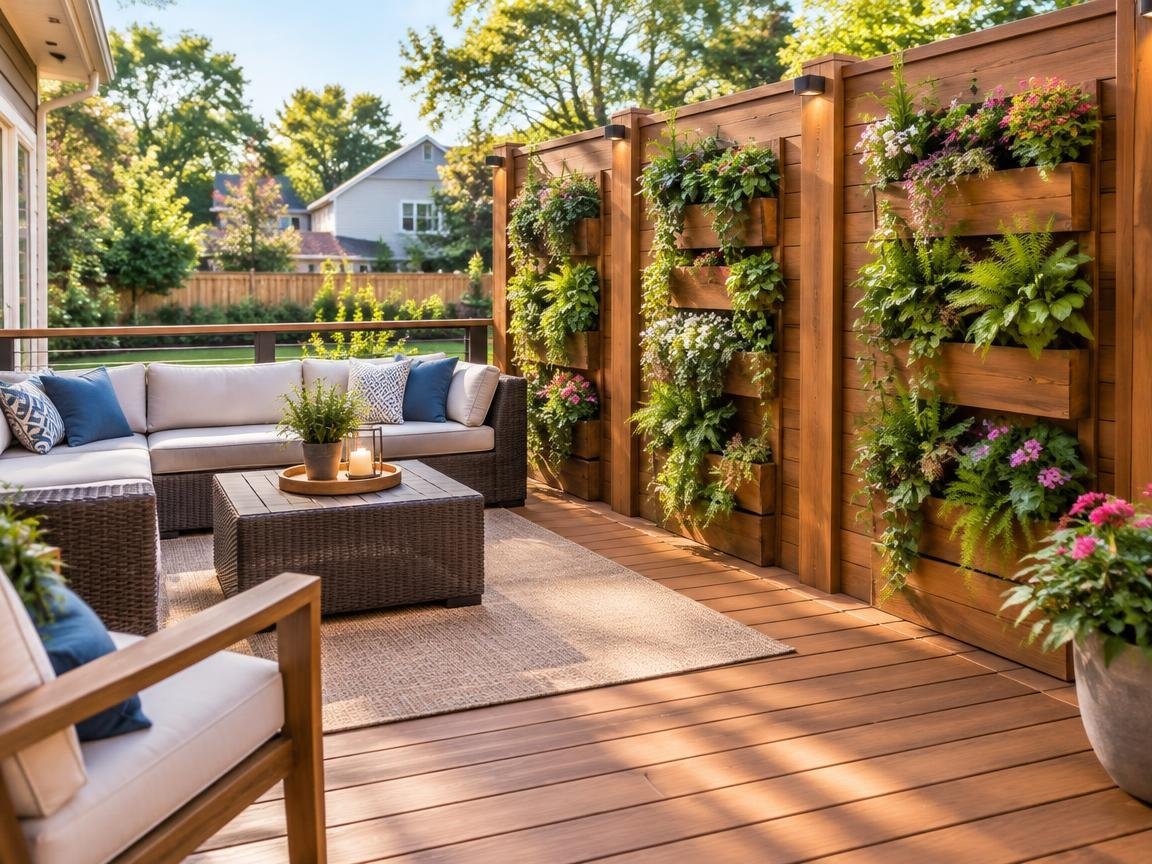
Integrating Living Barriers and Vertical Planters
One of the most effective and aesthetically pleasing ways to enhance deck privacy is through the integration of living barriers. Fast-growing shrubs and privacy plants, such as arborvitae, hydrangeas, or azaleas, can establish effective screening within 1-3 years, creating a natural, vibrant boundary. Evergreen shrubs offer year-round seclusion, while deciduous options provide seasonal interest.
Climbing vines on trellises or lattice panels can quickly cover vertical spaces, softening architectural lines and adding a touch of biophilic design. For smaller decks or those seeking a more dynamic solution, vertical gardens and potted trees offer flexible privacy. These living walls not only block views but also act as natural sound barriers, improve air quality, and contribute to a cooler microclimate. When selecting plants, it’s important to choose species that match your local climate and the specific sunlight conditions of your deck to ensure their healthy growth and long-term effectiveness.
Architectural Enhancements and Retractable Screening
Beyond living elements, architectural enhancements provide robust and flexible privacy solutions. Pergolas with canopies or adjustable louvers offer overhead shade and can be fitted with side panels or lattices for added seclusion. These structures not only define the deck space but also allow for control over light and privacy.
Outdoor curtains, made from weather-resistant materials like polyester or acrylic, offer an inexpensive and versatile way to create instant privacy. Hung from rods or hooks along the deck perimeter, they can be easily drawn for seclusion or opened to embrace the view. For ultimate flexibility, retractable fabric shades or screen systems provide on-demand privacy and sun protection. Motorized retractable shades, for example, allow homeowners to adjust sun exposure, heat, and privacy with the touch of a button, blocking up to 90% of unwanted views and sun. Advanced screening systems can even provide large-area, sagging-free enclosures, offering bug-free comfort alongside visual privacy. Modular panels, which can be moved or reconfigured, also provide adaptable solutions for changing privacy needs.
Maintenance Strategies for Long-Term Durability
Ensuring the longevity and aesthetic appeal of your deck privacy features requires a proactive approach to maintenance. Regular care can significantly extend the lifespan of materials, prevent costly repairs, and keep your outdoor space looking its best.
For most materials, a schedule of quarterly washing is recommended to remove dirt, pollen, and mildew buildup. For wood structures, this might involve a gentle power wash, while composite and vinyl surfaces often clean up easily with soap and water. Annual structural inspections are crucial to identify any loose fasteners, signs of rot, or damage from weather. Promptly addressing these issues can prevent minor problems from escalating into major structural concerns.
Wood privacy features, in particular, benefit from consistent attention. Oil-based stain and sealer typically need reapplication every 3-5 years to protect against UV damage and moisture intrusion. Pay special attention to cut ends, as these are often the most vulnerable points for moisture absorption. It’s also vital to maintain a 2-inch gap between the bottom of any wood boards and the soil to prevent ground contact, which can lead to rot and insect infestation. For composite decking, adhering to manufacturer-specific guidelines for cleaners and protective coatings is essential to maintain its warranty and appearance. Regularly checking and tightening fasteners across all material types will ensure structural integrity, especially after seasonal expansion and contraction.
Frequently Asked Questions About Residential Fences
Homeowners often have specific questions when planning their deck privacy projects. Here, we address some of the most common inquiries to help you make informed decisions.
What is the ideal fence height for backyard and deck privacy?
The ideal fence height for backyard and deck privacy is a balance between your personal desire for seclusion and local municipal regulations. While many homeowners prefer a height that completely obscures sightlines, standard height limits for residential fences typically range from 6 to 8 feet. In some areas, such as many Canadian municipalities, backyard fences are capped at 6 feet (72 inches). It’s crucial to check your local zoning laws and HOA guidelines, as these will dictate the maximum permissible height. When your deck is elevated, you might need a taller privacy screen or a combination of deck-mounted panels and perimeter fencing to effectively block views from neighboring properties or public areas. If your desired height exceeds local limits, you may be able to apply for a variance permit, though approval is not guaranteed.
How do you maintain airflow while ensuring visual privacy?
Maintaining adequate airflow is essential for comfort on a deck, especially in warmer climates, but it can seem at odds with achieving visual privacy. However, several design strategies can effectively balance both needs. One common method is to use horizontal slats with small gaps, often the width of a nail, between boards. These tiny gaps allow for air circulation without compromising visual privacy significantly. Louvered panels, which feature angled slats, are another excellent option, as they can be adjusted to control both airflow and the degree of visual blockage.
Breathable lattice panels, either standalone or integrated with climbing vines, offer a semi-private solution that promotes excellent air movement. Layered plantings, combining taller shrubs with more open screens, can also create a sense of enclosure while allowing breezes to pass through. Understanding wind dynamics on your property can help you strategically place privacy features to channel or block wind as needed, optimizing both comfort and seclusion.
How often do different fencing materials require routine maintenance?
The frequency of routine maintenance varies significantly depending on the fencing material. Wood fences, particularly those made from pressure-treated lumber, typically require the most upkeep. We recommend reapplying oil-based stain and sealer every 3-5 years to protect against weathering, UV damage, and moisture. Regular cleaning (quarterly washing) is also advised. Cedar, while more naturally resistant, still benefits from cleaning and occasional sealing to preserve its color and integrity.
Composite and vinyl fences are renowned for their low maintenance. They generally require only quarterly power washing or a simple cleaning with soap and water to remove dirt and mildew. They do not need painting, staining, or sealing. Aluminum fences are similarly low maintenance, typically requiring just occasional cleaning to remove grime. Glass panels, while durable, may require more frequent cleaning to maintain their pristine appearance, especially if exposed to rain or sprinklers. Regardless of the material, an annual structural inspection is a best practice to check for any loose hardware, damage, or signs of wear.
Conclusion
Choosing the right fencing for your property, especially when focused on deck privacy, is a significant investment that enhances both your outdoor living experience and your home’s value. From the initial selection of materials—be it the natural charm of wood, the low-maintenance appeal of composite, or the modern elegance of metal and glass—to the meticulous planning of structural elements, every decision contributes to the final outcome.
We’ve explored how different solutions compare in terms of cost, installation, and maintenance, emphasizing the importance of balancing privacy with aesthetics, airflow, and natural light. We’ve also highlighted the critical steps of navigating permits, property lines, and HOA guidelines to ensure your project is compliant and harmonious with its surroundings. By integrating living barriers, architectural enhancements, and retractable screening, you can create a multi-layered sanctuary that offers not just visual seclusion but also comfort and tranquility.
A well-planned and properly maintained deck privacy solution transforms your outdoor space into a personal retreat. By carefully considering your needs, researching your options, and adhering to best practices, you can create a private oasis that you and your loved ones will cherish for years to come.