Key Takeaways
- Compare several selling paths before deciding how to move forward.
- Use nearby recent sales, not broad regional averages alone, to guide pricing.
- Address safety and water-related concerns early, then weigh cosmetic updates carefully.
- Gather insurance, repair, title, and property records before accepting an offer.
- Review every offer according to its net proceeds, deadlines, and conditions.
Selling a home in Bridge City requires a plan tailored to the property, the seller’s timeline, and the details buyers need to evaluate. Some owners prefer a conventional listing, while others compare an owner-led sale or a direct offer from a trusted buyer when repairs, relocation, inheritance, or scheduling create extra pressure.
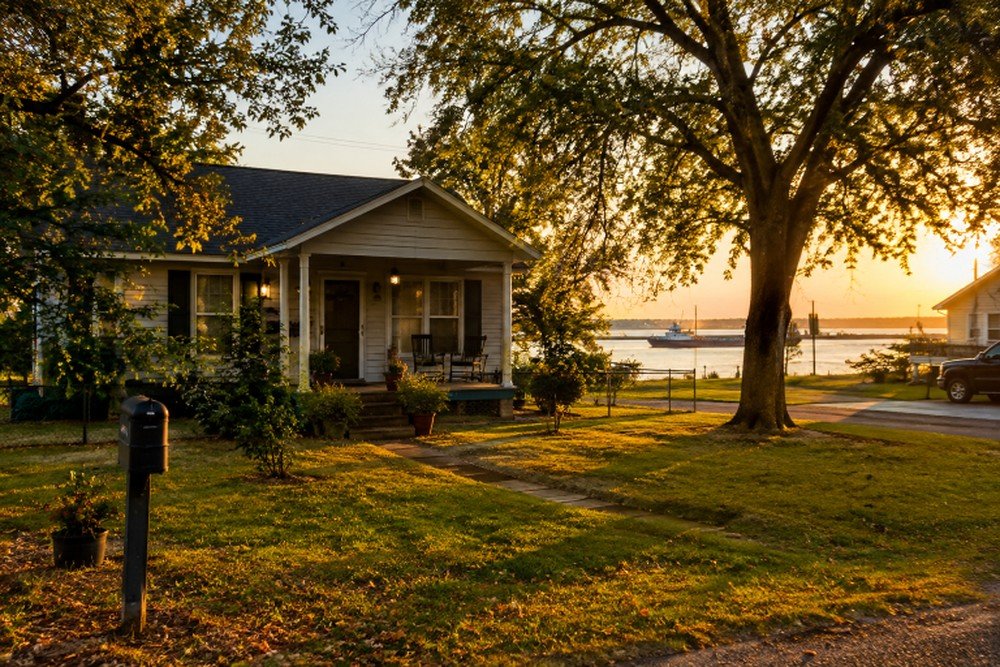
Bridge City is a Jefferson Parish community on the West Bank of the Mississippi River, with connections to the wider New Orleans area through the Huey P. Long Bridge and U.S. 90. Understanding Bridge City’s setting along the river helps explain why location, drainage history, roof condition, and access can shape buyer questions from one street to the next.
A productive sale does not require a perfect house. It requires clear information, realistic expectations, and a price that accounts for the home’s condition. A move-in-ready property and a similarly sized home needing a roof or plumbing work may appeal to different buyers, even if they sit only a few blocks apart.
Starting early gives sellers time to locate records, request estimates, and resolve potential title issues without making hurried decisions. It also makes it easier to distinguish repairs that protect value from expensive projects that may not improve the final result.
Whether the goal is a fast move or a carefully planned house sale, the strongest approach is to compare likely net proceeds, required preparation, and the certainty of each available option.
What Makes Bridge City Different for Home Sellers?
Bridge City is a relatively compact market, so there may be fewer truly comparable recent sales than in a larger suburb. Sellers should look closely at the home’s block, lot, age, layout, upkeep, and improvements rather than relying only on price per square foot. Access to work centers and major roads may be appealing, but a buyer may also focus closely on elevation documents, prior water intrusion, roof age, and insurance costs.
How to Check the Local Market
Market conditions can shift, and online estimates are only starting points. Review recent closed sales in the immediate area, current competing listings, price reductions, time on market, and the difference between original list prices and final sale prices. A current Bridge City housing market snapshot can provide general context, but a property-specific value should reflect the home’s actual condition and recent local comparisons.
How to Set a Fair Asking Price
Start With Comparable Homes
When possible, use sales from the previous three to six months and compare similar homes in location, size, age, layout, and condition. Adjust for meaningful differences such as a replaced roof, updated electrical work, renovated kitchen, documented storm repairs, or deferred maintenance. Most importantly, separate active asking prices from prices buyers actually paid.
Avoid Common Pricing Errors
- Pricing according to sentimental value instead of local evidence.
- Assuming every renovation dollar will return dollar for dollar.
- Starting excessively high and expecting a later reduction to restore attention.
Which Repairs Are Worth Paying For?
Prioritize problems that affect safety, financing, inspections, or a buyer’s confidence. Active leaks, unsafe electrical conditions, plumbing failures, broken heating or cooling equipment, visible mold concerns, severe pest damage, and unstable stairs or flooring generally deserve attention or a clear price adjustment.
Cosmetic work deserves more caution. Neutral cleaning, decluttering, minor touch-ups, and basic yard maintenance can improve first impressions. By contrast, luxury finishes, highly personal design choices, and large additions may not match buyer expectations for the surrounding area. Obtain estimates before deciding whether to repair, disclose, or price accordingly.
How Flooding, Storms, and Insurance Can Affect a Sale
Water and weather questions should be handled directly. Buyers may ask about prior flooding, water intrusion, insurance claims, roof repairs, wind damage, drainage, foundation conditions, elevation work, and current insurance expenses. Flood-zone status and insurance requirements can differ by property, so sellers should avoid assumptions and share accurate records when available.
Comparing the Main Ways to Sell a Home
- Traditional listing: May provide broad exposure but commonly involves preparation, showings, inspections, and buyer financing timelines.
- For sale by owner: Gives the owner direct control but also requires pricing, marketing, scheduling, negotiation, and paperwork management.
- Direct cash sale: May reduce demand for showings and repairs, but the seller should still review the written terms, fees, inspection rights, and closing date.
No path is automatically best. Compare the expected net amount, time involved, condition demands, and likelihood of closing.
Documents to Gather Before an Offer
Organize identification, mortgage payoff information, tax records, insurance claim history, repair receipts, warranties, surveys, elevation certificates, lease agreements, and homeowners’ association documents when applicable. Inherited properties, divorces, estates, and older liens may require additional records. Missing paperwork can slow title review and closing.
How to Compare Offers Beyond the Price
Look beyond the largest number on the first page. Compare the estimated net proceeds, earnest money, financing or appraisal conditions, inspection periods, requested repairs or credits, closing costs, possession date, and closing deadline. For example, a slightly lower offer with limited contingencies and a reliable closing date may be preferable to a higher offer that depends on financing, appraisal, and substantial repair requests.
How to Prepare for Closing
- Confirm contract deadlines and responsibilities.
- Send requested documents to the title or closing professional promptly.
- Address liens, unpaid taxes, ownership questions, and agreed repairs early.
- Remove belongings not included in the contract.
- Review the settlement statement before signing and ask questions about unclear charges.
Common Questions From Bridge City Sellers
How long will the sale take?
Timing depends on pricing, condition, buyer demand, financing, inspections, title work, and the chosen sale method.
Can a home with storm damage be sold?
Yes, but known damage should be accurately disclosed, and available repair or insurance records can help buyers better understand the property.
Is a cash offer always best?
Not necessarily. Cash may reduce financing risk, but sellers should still compare the price, net proceeds, conditions, and buyer obligations.
Final Checklist for a Smoother Sale
- Review recent nearby sales and competing listings.
- Identify important repairs and obtain estimates.
- Collect title, tax, insurance, and improvement documents.
- Prepare for flood, storm, drainage, and insurance questions.
- Compare sale options and evaluate every offer carefully.
- Use qualified legal, tax, and closing professionals when questions require their guidance.
Selling a home in Bridge City, Louisiana, in 2026 can be more manageable with a fair price, complete records, honest condition details, and a workable timeline. A thoughtful plan helps sellers choose the option that best fits their finances, responsibilities, and next steps.