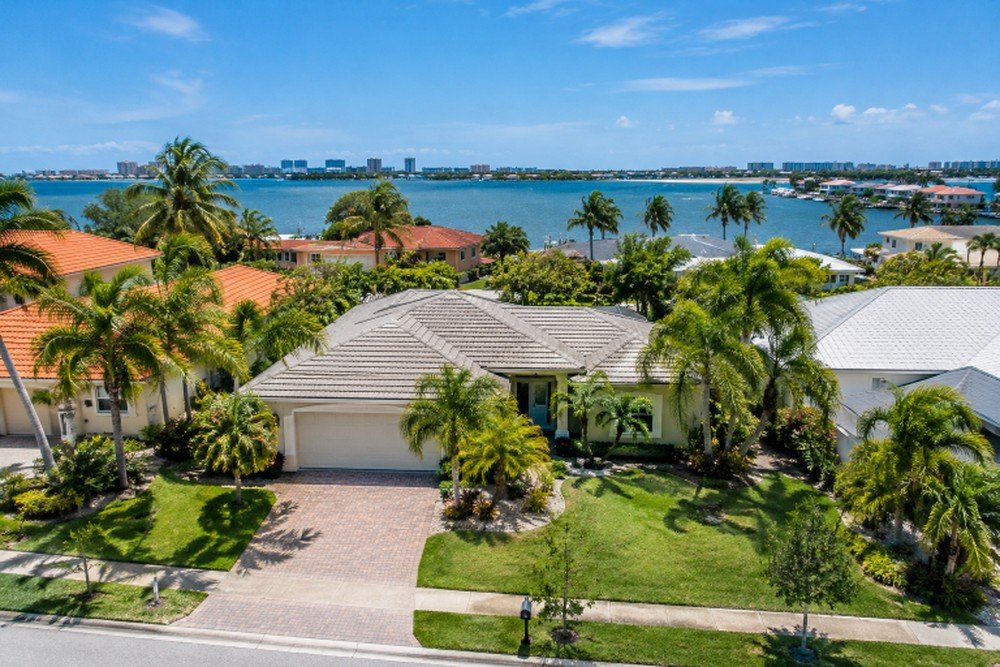
Selling a home in Clearwater is not a one-size-fits-all decision. A waterfront condo near Clearwater Beach, an older house in Skycrest, and a rental in East Clearwater can each call for a different approach. The right path depends on your deadline, the property’s condition, your available repair budget, and how much certainty you need before moving forward.
Homeowners comparing listings and direct sales can evaluate home buyers in Clearwater, FL alongside other options. A+ Home Buyers is a local cash-buying company serving Clearwater and nearby Pinellas County communities, with a page focused on as-is purchases and flexible closing dates for owners dealing with repairs, inherited homes, relocation, or other time-sensitive circumstances. A direct buyer can be useful for comparison purposes, even if a traditional listing ultimately produces the better outcome for your goals.
Start With the Result You Need
There are three common ways to sell: list with a real estate agent, sell on your own through a for-sale-by-owner or flat-fee arrangement, or accept a direct cash offer. A higher advertised price is not automatically the best result. Repairs, buyer credits, financing delays, commissions, insurance, and mortgage payments can all change what you actually receive at closing.
Clearwater sellers should consider the property’s location and story early. Homes around Island Estates, Downtown Clearwater, Countryside, and coastal neighborhoods may attract different buyer pools. Coastal exposure, roof age, past water intrusion, flood history, insurance questions, and storm-related repairs can all become part of a buyer’s review.
For owners who want background on a direct-sale process beyond one local page, https://www.aplushomebuyer.com/ outlines the broader services offered by A+ Home Buyers in the Tampa Bay area. Regardless of which company or strategy you consider, request clear written terms and compare them with your other realistic options.
Option One: List With a Real Estate Agent
A traditional listing may fit sellers whose homes are in good condition, who can accommodate showings, and who have enough time to wait for a qualified buyer. Broad marketing exposure can be especially valuable when a home has desirable features, such as an updated kitchen, a pool, water access, or a location near employment, parks, or downtown amenities.
What a Traditional Sale Usually Requires
- Decluttering, cleaning, and preparing the home for photography and showings.
- Addressing visible maintenance concerns, such as damaged screens, peeling paint, or deferred landscaping.
- Pricing the property using recent comparable sales and current competition.
- Responding to inspection requests, appraisal issues, repair negotiations, and financing timelines.
This approach can provide strong market exposure, but it may also involve repeated access to the home, buyer contingencies, and continued carrying costs while the sale is pending. Sellers should ask their agent for a projected net sheet rather than focusing only on the suggested list price.
Option Two: Sell Without a Traditional Agent
A for-sale-by-owner sale gives the owner more control over marketing and negotiations. It may work well for sellers who understand local pricing, have time to manage inquiries, and are comfortable coordinating the transaction. A flat-fee listing service can offer MLS exposure while leaving more of the process in the seller’s hands.
Saving a listing commission does not eliminate other expenses or responsibilities. The seller may still need professional photography, advertising, contract review, title services, repairs, and buyer concessions. A licensed title company or qualified real estate attorney can help with documents, escrow, and closing questions.
Option Three: Sell Directly to a Cash Homebuyer
A direct cash sale generally begins with the owner sharing the address and basic property details. The buyer evaluates the home’s condition, location, title matters, and estimated repairs, then presents a written offer. If accepted, the parties coordinate a closing date through a title company or closing agent.
This route may suit an owner who values privacy, a shorter timeline, fewer showings, or an as-is sale. It can be practical for a vacant house, an inherited property, a home with substantial deferred maintenance, or a sale that must align with a job move or other firm date. In exchange for taking on repair costs and resale risk, a cash buyer’s offer may be lower than the highest possible open-market price.
Compare the True Cost, Not Just the Offer
Use the same basic calculation for every option:
Estimated Net Proceeds = Sale Price − Mortgage Payoff − Selling Costs − Repairs − Credits
- Traditional listing: Consider agent compensation, preparation work, repair requests, buyer credits, closing costs, and mortgage, utility, and insurance payments during the listing period.
- For-sale-by-owner: Consider marketing, photography, legal or contract review, title fees, buyer-agent compensation if offered, repairs, and carrying costs.
- Direct cash sale: Consider the offer amount, any closing expenses assigned to you, the closing date, and whether the buyer may renegotiate after a walkthrough or inspection.
Florida real estate transfers commonly involve documentary stamp tax on deeds. Sellers can review Florida documentary stamp tax information before estimating their final closing costs.
Disclosures and Clearwater Property Records
Selling a home as-is does not remove the need to disclose known material facts that could affect value or a buyer’s decision. Review records for flooding, water intrusion, storm damage, roof leaks, insurance claims, structural concerns, unpermitted work, and unresolved permits. Gathering roof documentation, repair invoices, insurance records, and permits before marketing the property can make conversations with buyers more straightforward.
Florida sellers should also review Florida’s flood-risk disclosure statute when preparing for a sale. Condo owners should allow additional time for association documents, estoppel information, approval requirements, assessments, and buyer review. Legal, tax, insurance, and disclosure questions should be directed to appropriately licensed professionals.
When a Faster Sale May Make Sense
- A job relocation or strict moving deadline.
- An inherited house that requires repairs or ongoing management.
- A vacant property with continuing maintenance, utility, and insurance costs.
- A divorce, estate settlement, or major household change.
- An unwanted rental property or difficult tenant situation.
- Mortgage payments that are becoming difficult to maintain.
How to Review a Cash Offer Carefully
- Make sure the offer is in writing and identify any contingencies.
- Confirm the proposed closing date and the title company handling the transaction.
- Request proof of funds and ask whether the buyer intends to assign the contract.
- Ask whether the price can change after a visit, inspection, or title review.
- Review responsibility for title fees, recording costs, taxes, and other closing charges.
- Compare the estimated net proceeds with a realistic traditional-sale estimate.
Choose the Path That Fits Your Clearwater Home
Clearwater sellers do not need to choose based on speed or price alone. The best method depends on the home’s condition, your timeline, likely repair costs, disclosure obligations, and tolerance for uncertainty. Compare the full net amount, the effort required, and the likelihood of closing on time before signing an agreement.