Key Takeaways
- Abdominoplasty can address loose abdominal skin, localized fat, and, in some cases, separated abdominal muscles.
- Ideal timing often involves stable health, a stable weight, and no immediate plans for pregnancy or major weight loss.
- Every surgical plan, incision, recovery period, and scar pattern is individualized.
- Patients should arrange practical help at home and follow their surgical team’s aftercare instructions.
- Scars generally improve over time but do not disappear completely.
Considering a tummy tuck in Fairfax, VA often starts with a practical question: what is causing the abdominal change you want to address? Pregnancy, weight changes, aging, and stretched skin can affect the abdomen in different ways. Thoughtful planning helps patients separate realistic goals from unrealistic expectations before committing to surgery. For Fairfax-area residents balancing family responsibilities, desk-based work, commuting, and active weekends around Northern Virginia, recovery planning deserves as much attention as the procedure itself. Abdominoplasty is major surgery intended to reshape the abdomen. It is not a replacement for sustainable nutrition, fitness, or weight-loss care.
Why People Consider Abdominoplasty
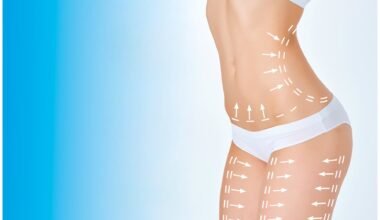
The same issue does not always cause abdominal contour concerns. One person may have a lower-abdominal skin fold after significant weight loss, while another may notice skin laxity and muscle separation after pregnancy. Exercise can improve strength and overall health, but it cannot reliably remove a substantial amount of excess skin. Abdominoplasty focuses on contouring. Depending on the surgical plan, it may remove excess skin, reduce some fatty tissue, and repair separation in the abdominal wall. The goal is not a certain clothing size or a perfectly flat abdomen. A consultation should focus on what can reasonably be changed for an individual body.
Who May Be A Good Candidate
A qualified surgeon evaluates much more than the treated area. Good candidates are often in generally stable health, close to a sustainable weight, prepared to heal after surgery, and able to follow activity restrictions. Future pregnancy plans and anticipated major weight changes are important because either can alter the abdomen again. Patients should provide a complete medical history, including prior abdominal operations, allergies, medications, supplements, nicotine use, and any history of healing problems. Online information cannot confirm candidacy. That requires an examination, an honest health review, and a personalized discussion of benefits and risks.
Questions To Ask At A Consultation
A productive consultation is a two-way conversation. The questions patients ask before booking a tummy tuck can help guide a more informed discussion.
- Is my concern mainly loose skin, fat, muscle separation, or a combination?
- Which procedure best fits my anatomy and goals?
- Where might the incision be placed, and how might the scar mature?
- Could muscle repair or liposuction be part of the plan?
- What risks are especially relevant to my health history?
- What help will I need at home after surgery?
- When may I return to driving, work, lifting, and exercise?
- What does the quoted fee include, and what follow-up care is provided?
How Treatment Options Can Differ
Full Abdominoplasty
A full procedure may be considered when loose skin extends across a larger portion of the abdomen. It may also include repair of separated abdominal muscles. Because the surgery is more extensive, the incision and recovery needs are typically more involved.
Mini Abdominoplasty
A mini procedure may be an option for selected patients with concerns concentrated below the navel. It does not address every type of abdominal laxity, and it remains surgery requiring appropriate preparation and recovery.
Liposuction And Non-Surgical Options
Liposuction may help refine localized fat when skin quality is adequate, but it does not remove significant loose skin. Non-surgical treatments may offer modest improvement for select concerns, yet they generally cannot replicate the results of surgical correction when substantial skin laxity or muscle separation is present.
Preparing For Surgery
- Review every medication, vitamin, herbal product, and supplement with the surgical team.
- Follow instructions about smoking, vaping, nicotine, alcohol, and medications that may affect surgery or healing.
- Arrange transportation and a responsible adult to assist if required.
- Set up a comfortable recovery area with water, prescribed medications, chargers, pillows, and easy-to-reach essentials.
- Plan support for children, pets, meals, errands, and household tasks.
- Request clear guidance about work, lifting, driving, and exercise before scheduling time away.
Recovery And Returning To Activities
Early recovery may involve swelling, bruising, tightness, soreness, and temporary limits on movement. Patients are commonly encouraged to walk as directed, while strenuous activity and heavy lifting are restricted. Instructions for dressings, drains, compression garments, and medications should come directly from the treating team. Returning to routine differs for a remote worker, a parent of young children, and someone with a physically demanding job in the Fairfax area. Desk work, driving, lifting, and exercise may have different timelines. Guidance from a surgeon is more reliable than comparing recovery experiences online, and this overview of questions before abdominoplasty reinforces the value of discussing recovery expectations in advance.
Scars, Results, And Long-Term Care
Scars are an expected part of skin-removal surgery. Their color, texture, and visibility can change over many months, and factors such as genetics, skin characteristics, incision placement, sun exposure, and aftercare may affect their appearance. Ask when scar-care products or treatments are appropriate for your incision. Results may be long-lasting when patients maintain a stable weight and healthy habits. However, aging, pregnancy, and substantial weight changes can affect abdominal contours after surgery.
Risks And Warning Signs
Possible complications include infection, bleeding, fluid buildup, delayed wound healing, changes in sensation, unfavorable scarring, uneven contours, blood clots, and the potential need for revision treatment. Contact the medical team promptly for concerning symptoms such as worsening pain, spreading redness, heavy bleeding, chest pain, sudden shortness of breath, or other urgent changes.
Common Questions About Abdominoplasty
Is abdominoplasty a weight-loss procedure?
No. It is a body-contouring procedure and should not be used as a substitute for weight-management care.
Can it address separated abdominal muscles?
Muscle separation may be evaluated during consultation. Whether repair is appropriate depends on anatomy and the surgical plan.
Will the scar disappear?
No. Scars generally remain, even though they may soften and fade with time.
When can exercise resume?
Light movement and strenuous exercise follow different schedules. Patients should resume activity only according to their surgeon’s instructions.
Conclusion
Choosing abdominoplasty begins with understanding your goals, health, and expectations for recovery. Whether you are concerned about loose skin, localized fat, or separated abdominal muscles, a consultation with a qualified surgeon can help determine which approach may be appropriate for your needs. Before scheduling surgery, consider the potential risks, incision placement, expected scarring, recovery time, and support you will need at home. For Fairfax, Virginia, residents balancing work and family responsibilities, planning can make the healing process more manageable. Maintaining a stable weight and following postoperative instructions can also support long-term results. Ultimately, informed decisions, realistic expectations, and personalized medical guidance are essential to approaching a tummy tuck with confidence.