Key Takeaways
- Start with everyday activities instead of choosing materials or décor first.
- Observe sun, drainage, slope, wind, and access before finalizing a layout.
- Use simple zones, durable surfaces, and plant groupings that fit the site.
- Plan for water management, shade, privacy, safety, and seasonal upkeep.
- Leave room for future changes without overcrowding the yard.
Virginia outdoor spaces have to handle humid summers, seasonal storms, falling leaves, changing temperatures, and plenty of everyday activity. A successful plan starts by making the yard useful for the way you actually live, then choosing features that are manageable in every season. Homeowners considering hardscaping services in Virginia can use these principles to create patios, paths, planting areas, and gathering spaces that feel connected rather than complicated.
Low maintenance does not mean maintenance-free. It means reducing unnecessary mowing, trimming, cleaning, watering, and repairs by making thoughtful decisions before construction begins. In Virginia, that usually means paying close attention to drainage, summer sun, mature tree cover, clay-heavy soil in many areas, and access around the home.
Define The Purpose Of The Space
Before selecting pavers, furniture, or shrubs, list the activities the space needs to support. A small patio for morning coffee has different needs than a family dining area, pet run, play space, or outdoor cooking zone. Priorities prevent money and square footage from being spent on features that look appealing but receive little daily use.
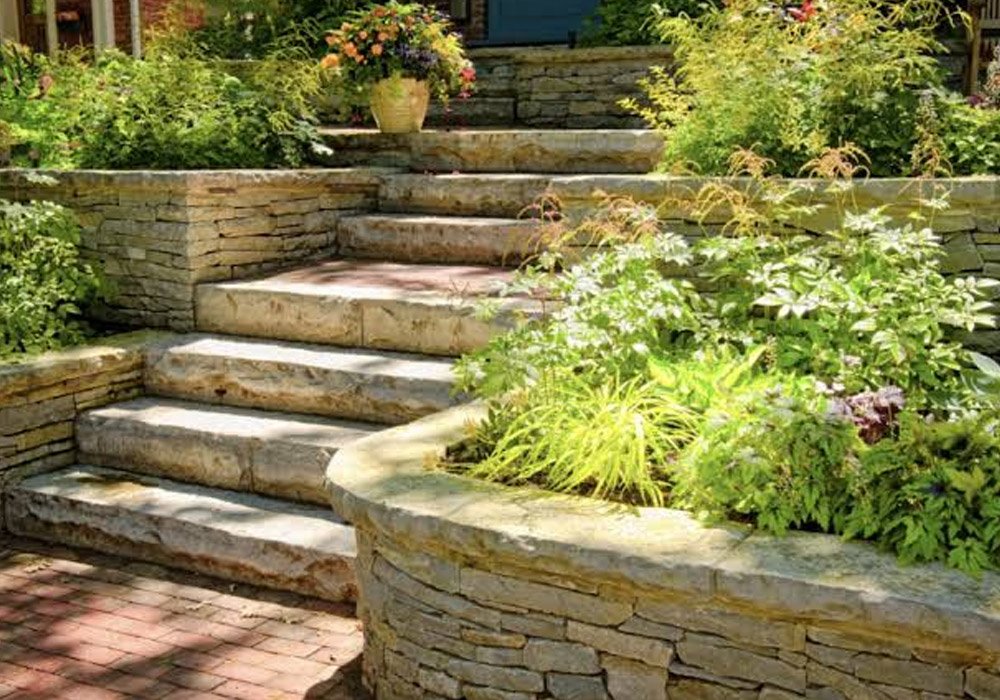
Consider outdoor dining, reading, grilling, children’s play, pet access, container gardening, storage, and a clear route for trash bins or maintenance equipment. Choose the top two or three uses, then design around them. Features that serve several purposes, such as a retaining wall that doubles as seating, can make a compact Virginia yard more functional.
Study The Site Before Planning
Watch the property at different times of day and after substantial rain. Note where the afternoon sun makes a patio uncomfortable, where roof runoff lands, where water collects, and which routes are already used most often. Virginia Cooperative Extension’s guidance on landscape design also emphasizes organizing a site around practical use, environmental conditions, and maintenance needs.
Important Details To Check
- Morning and afternoon sun, especially on west-facing areas.
- Low spots, wet ground, downspout outlets, and erosion after rain.
- Existing trees, visible roots, utilities, and views are worth preserving.
- Slopes that affect furniture placement, steps, and surface drainage.
- Service access for mowers, deliveries, gates, and home repairs.
Choose A Simple, Flexible Layout
Simple layouts are easier to navigate and easier to maintain. Keep the most frequently used seating or dining space near the house, where it is easily reached from the kitchen and more likely to be used. Direct paths reduce turf wear and make the yard easier to navigate after rain or when carrying supplies.
A practical plan might include a patio near the back door, a border of grouped plantings at the property edge, and an open lawn or gravel area for flexible use. Avoid narrow strips of grass that are difficult to mow, tight corners that trap leaves, and decorative curves that do not improve movement or function. Leave enough space to add a grill, storage bench, raised bed, or shade structure later.
Select Materials That Suit The Setting
Every surface has care requirements, so select materials based on drainage, foot traffic, heat exposure, appearance, and repair needs. Concrete, stone, and pavers can create durable patios and walkways when a stable base and adequate drainage are in place. Gravel and other permeable options can work well for informal paths or secondary seating areas, but they may need occasional raking or replenishment.
Wood offers warmth but commonly needs periodic cleaning and protective maintenance. Composite decking can reduce the need for refinishing, although it still benefits from washing and proper installation. Whatever the material, prioritize a surface with safe transitions, dependable edging, and enough room for furniture to be moved without blocking a walkway.
Plan Low-Maintenance Plantings
Plants need less intervention when their light, soil, and moisture needs match the location. Group plants with similar requirements, allow for mature size, and choose moderate growers that will not demand constant pruning. The University of Missouri Extension notes that grouped plantings and suitable mulch can reduce hand trimming, help limit weeds, and make landscape beds easier to manage.
Use groundcovers or planting beds in steep, shady, or awkward spaces where turf struggles. Keep the lawn where it serves a real purpose, such as play or gathering space, rather than treating every open area as grass. Native plants can be useful in Virginia landscapes, but they still need the right placement and basic establishment care.
Manage Water And Drainage
Drainage should guide the design, not become an afterthought. Patio surfaces, walkways, and surrounding grades should direct water away from the house and prevent runoff from crossing steps, seating areas, or loose materials. Check downspouts carefully, since concentrated roof runoff can create erosion and muddy spots.
Group plants by water needs and consider drip irrigation for beds where it makes sense. Keep drains, channels, and surface joints clear of leaves and soil. During heavy rains in Virginia, these small maintenance tasks can help preserve surfaces and keep paths safer to use.
Add Shade, Lighting, And Privacy
Comfort features should support daily use without creating excessive upkeep. Shade trees, pergolas, umbrellas, or covered seating can make bright summer afternoons more enjoyable. Use lighting where it improves visibility, including on steps, at gates, in cooking areas, and on regularly used paths. A few well-placed fixtures are generally more useful than a crowded lighting scheme.
For privacy, choose screening plants that fit the available space at maturity, or use fences and screens where year-round coverage is needed. Select movable furniture and storage options that simplify cleaning and protect cushions during wet weather.
Avoid Common Planning Mistakes
- Choosing plants before assessing sun, soil, and drainage.
- Installing a patio without a clear plan for runoff.
- Mixing too many unrelated materials in a small yard.
- Planting trees too close to buildings, utilities, or hard surfaces.
- Ignoring access for equipment, repairs, and storage.
- Designing only for occasional parties rather than for normal routines.
For example, a large entertaining patio can become frustrating if it blocks garden access, has no shade for daily use, or leaves no place to store cushions and tools. A smaller, well-connected area often performs better than a larger feature that complicates the whole yard.
Create A Simple Maintenance Plan
A seasonal routine keeps a low-maintenance design working as intended. In spring, inspect surfaces, drainage routes, irrigation components, and winter damage. In summer, monitor new plantings and clean high-use areas. In the fall, remove leaves from drains, steps, beds, and patio joints. During winter, check railings, steps, exposed fixtures, and places where ice or standing water tends to form.
The best outdoor living spaces are not defined by the number of features they contain. They are defined by how easily they support everyday life. With a clear purpose, appropriate materials, suitable plants, and careful water planning, a Virginia yard can remain comfortable, useful, and far easier to care for year-round.