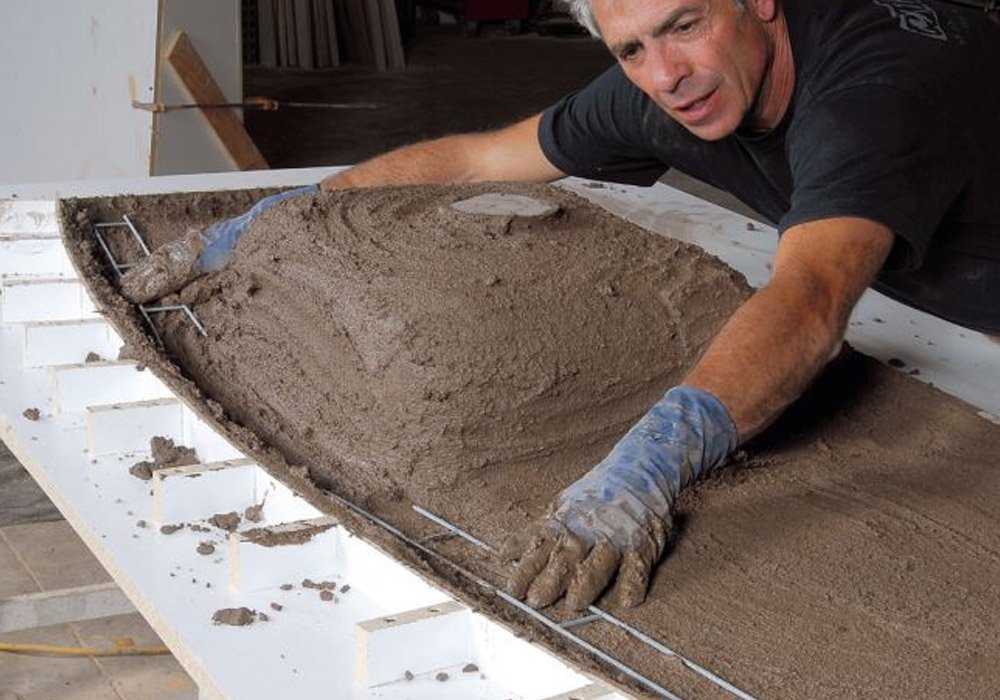
Concrete benchtops have become a popular pick for kitchens and bathrooms across Australia. Homeowners like the custom shapes, earthy colours and solid feel under the hand. For a beginner, that demand can look like an open door into glass fibre reinforced concrete work. GFRC, a thin and lightweight concrete strengthened with glass fibres, rewards careful hands and a trained eye.
A short practical course gives newcomers a safe place to learn the craft before paid jobs arrive. Programs built around diy concrete benchtop training usually cover mix design, moulds, casting, curing and sealing in one hands-on block. Students also leave with finished pieces and a clear list of the tools they need. So, here is a closer look at what beginners actually gain from that time in the workshop.
Hands-On Practice With Real Mix Designs
The mix sits at the heart of every benchtop. A GFRC batch usually combines cement, fine sand, water, a liquid polymer and alkali-resistant glass fibres. In class, beginners weigh each ingredient and watch how small changes alter the wet slurry. That practice turns a written recipe into muscle memory.
Trainers also explain workability, the ease with which wet concrete flows into a mould. Students learn to judge the mix as it slides off a trowel or fills a tight corner. Admixtures, the liquid additives that adjust flow and set time, get the same practical treatment. Beginners walk away able to batch a consistent mix for each project.
Template And Mould Skills For Custom Shapes
Every custom benchtop starts with a template, a full-size pattern of the cabinet top or vanity. Courses show newcomers how to measure walls, mark sink cut-outs and transfer each line onto melamine boards. Accurate templates let the finished slab sit flush on site.
Rubber moulds open the door to curved basins, integrated sinks and homeware pieces. Trainees pour silicone or urethane around a master shape, then strip it once it cures. These flexible moulds produce repeatable pieces with crisp detail. In Australia, steady interest in integrated vanity tops gives this skill clear commercial value.
Cast Methods For Thin And Strong Pieces
GFRC projects usually rely on two cast styles, sprayed and poured. The spray method starts with a face coat, a thin fibre-free layer that captures the mould surface. A thicker backer coat packed with glass fibres then adds strength. Trainees practise the timing between coats so the two layers bond as one slab.
Precast pieces take shape in the workshop, where the slab cures on a level table. In-situ pours place the concrete directly onto the cabinets at the client’s home. Training covers when each approach suits a particular kitchen or bathroom layout.
Cure, Process And Finish Steps
Fresh concrete gains strength through hydration, the chemical reaction between cement and water. Courses teach students to keep new slabs under plastic sheeting for the first few days. Steady workshop temperatures help the surface cure to an even colour.
The processing stage covers the work between demoulding and sealing. Students fill small surface pores with a matching slurry, then sand the edges with fine diamond pads. Each step prepares the benchtop to take a sealer evenly.
Sealer Choices For Everyday Kitchen Use
Concrete is porous, so a sealer helps keep oil, wine and lemon juice on the surface. Training walks beginners through surface prep, sealer mixes and thin, even coats. A penetrating sealer soaks into the slab, while a topical sealer forms a clear film across the top. Design writers point to sealers made specifically for concrete as the right choice for kitchen benchtops.
Kitchens see hot pans, chopping boards and daily wipe-downs. Trainers explain which sealer suits a busy family kitchen and which one suits a bathroom vanity. They also show students how to hand clients simple care notes after installation.
Business Skills For Quotes And Client Work
Courses also cover the business side of benchtop work. Beginners learn to price materials, labour hours and delivery for each job. Accurate quotes help new fabricators win work and keep a healthy margin.
Client interest in concrete keeps growing. That interest opens room for trained beginners to quote kitchen, laundry and vanity jobs. Good photos of course pieces can also help a new fabricator build an early portfolio.
Support And Practice After The Course
Good courses keep the learning going after students head home. Graduates can send photos of a tricky pour or an uneven finish to their trainer for advice. That backup helps beginners handle their first paid GFRC jobs with a calm head.
Students usually take home the moulds and samples they made in class. These pieces serve as showroom samples or test tiles for new sealers. Some fabricators return later for advanced courses in 3D mould work and larger architectural pieces.
Beginners who learn the full process gain a practical base for GFRC work. Hands-on diy concrete benchtop training walks newcomers through mix design, moulds, casting, curing and sealing in one guided setting. That groundwork helps new fabricators quote accurately and deliver clean, durable pieces. Finished samples from class also give clients a real slab to touch before they book. For anyone in Australia keen to enter the trade, a hands-on course offers a clear first step toward paid benchtop and vanity jobs.