Key Takeaways
- Mobile home removal requires planning for legal authority, utilities, access, hauling, and cleanup.
- Condition matters. A sound home may be a candidate for relocation or reuse, while a damaged structure may need dismantling or demolition.
- Park rules, local permits, desert weather, and difficult lot access can affect timing and cost.
- A written scope of work helps clarify what will happen to debris, foundations, utility connections, and personal property.
Removing an aging mobile home can open the door to a cleaner, safer, more useful Arizona property, whether the lot is in Phoenix, Tucson, Yuma, Flagstaff, or a rural community. The work involves more than arranging a truck. Ownership, utilities, access, park requirements, permits, debris, and the land’s next use all deserve attention before equipment arrives.
For owners looking for a local starting point, Arizona Mobile Home Removal is an Arizona-focused service that provides assistance with unwanted mobile home removal, manufactured-home donation, utility shutoffs, permit coordination, hauling, and cleanup. Its focus on homes located on private lots and in parks makes it relevant for property owners across Arizona who need to compare removal options for a site with its own access, condition, and documentation challenges.
Why Mobile Home Removal Needs a Plan
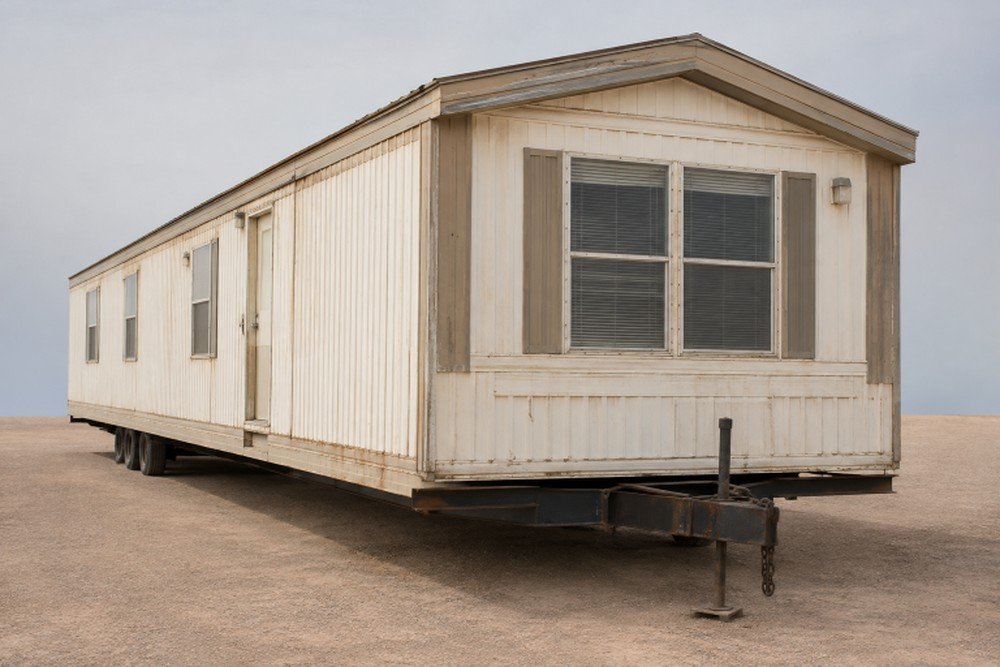
An old unit is not simply curbside trash. It may have a title history, attached awnings, skirting, porches, utility connections, furniture, appliances, and site-built additions. A removal plan should account for the home itself and everything around it, including gates, overhead lines, trees, neighboring homes, and roads that heavy equipment must use.
Start by confirming who can authorize the work. Review the title, bill of sale, trust documents, probate paperwork, or purchase records. If the home was inherited, make sure the person signing contracts has the authority to do so. An out-of-state owner should designate a local contact who can provide access, receive updates, and approve unexpected site decisions.
Next, document the structure. Take photos of the exterior, interior, roof, floors, utility connections, foundation or piers, and the route from the home to the street. Note whether it is a single-wide, double-wide, trailer, manufactured home, or modular-style structure. Soft floors, major roof leaks, broken windows, exposed wiring, or severe frame damage can change a relocation plan into a demolition discussion.
Before assuming a move is possible, ask the local city or county which approvals apply to the property and the proposed work. The Arizona Department of Housing explains the requirements for manufactured-home installation permits, including special considerations for certain older mobile homes being moved between parks. Installation approval does not automatically mean removal or demolition is approved, so local confirmation remains important.
Disconnect Utilities Before Removal Day
Identify every connection serving the home: electricity, natural gas, propane, water, sewer, septic, private well, cable, and telephone. Do not cut lines, pull meters, or disconnect gas equipment yourself. Contact each provider early, ask what appointment or inspection is required, and keep written confirmation of the scheduled shutoff.
Utility arrangements can vary by provider and location. The Arizona Corporation Commission’s utility guidance notes that municipal systems and some park-billed services may operate differently from regulated investor-owned utilities. For a park home, ask management whether utilities are billed through the park and who must authorize the final disconnect.
Choose the Right Removal Method
The best path depends on the home’s condition, legal status, destination, and site access.
- Relocation: Can make sense when the structure is sound, transportable, and has a legal destination.
- Donation or reuse: May be worth exploring when the home or its materials have practical value.
- Salvage: Can separate useful materials or appliances, but owners should ask what the provider will accept.
- Dismantling or demolition: May be the safer choice for homes with major water, fire, roof, frame, or foundation damage.
When comparing local providers, Arizona Mobile Home Removal may be one option to contact to determine whether a particular Arizona home is better suited for removal, donation, or another approach. Request a site-specific assessment rather than relying on a general description or a price estimate based only on photos.
Arizona Conditions That Can Affect the Job
Arizona lots bring practical challenges that are easy to overlook. Summer heat can influence work schedules and equipment use. Dry conditions may require attention to dust around neighboring homes and roads. Monsoon weather can bring wind, standing water, and soft or muddy access routes. Rocky ground, unpaved drives, narrow park streets, and desert vegetation can also limit where trailers, dumpsters, or lifting equipment can safely go.
Location matters. A dense Phoenix-area park may have tight turns, parked vehicles, and overhead service lines. A rural property near Yuma or Casa Grande may have long travel distances and limited turnaround space. Flagstaff-area properties can present uneven terrain and seasonal weather concerns. A site visit is the best way to identify these issues before scheduling removal.
Special Rules for Mobile Home Parks
Park residents should contact management before hiring anyone. The rental agreement may address notice periods, move-out procedures, equipment routes, restoration of the space, and responsibility for sheds, carports, steps, skirting, trash, and personal property. Ask for requirements in writing.
For example, an heir managing a Tucson park home may own the structure but still need park approval for the removal date and access route. Getting that approval before reserving equipment can help prevent a cancelled trip or conflict with neighboring spaces.
Prepare for the Site Visit
- Remove documents, medication, valuables, keepsakes, and anything containing personal information.
- Clear vehicles, loose materials, and other obstacles from the planned access route.
- Identify locked gates, pets, unsafe floors, damaged steps, and other hazards.
- Share the home’s size, age, title status, known damage, and utility information.
- Explain whether furniture, appliances, sheds, awnings, or debris must be included.
Questions to Ask Before Hiring
- Who is responsible for permits, park coordination, and utility scheduling?
- Does the estimate include hauling, disposal, debris removal, and final cleanup?
- What extra charges could apply for difficult access, contents, or additional structures?
- How will hazardous materials, appliances, tires, and personal items be handled?
- Will the owner receive a written scope of work and proof of insurance?
Final Property-Clearing Checklist
Before calling the project complete, confirm that ownership was documented, park rules were addressed, utilities were safely handled, the access route was cleared, and the agreed removal method was completed. Inspect the lot for debris, exposed connections, foundation remnants, skirting, concrete, grading needs, and any work needed before selling, building, renting, or landscaping the property.
Clearing an old mobile home in Arizona is far easier when the details are handled in the right order. A careful plan can reduce delays, avoid unsafe shortcuts, and leave behind a lot that is genuinely ready for its next purpose.