Most people walk into their first Structural Integration appointment with one question and no way to ask it out loud: is this going to hurt? Fair question. Bodywork has a reputation, and some of it is earned.
Here’s the short answer. The work is deliberate and slow, and a good practitioner spends more time listening to tissue than forcing it. You’ll feel pressure, you’ll probably feel some strange release in places you didn’t know were tight, and you’ll leave with homework that has nothing to do with a table. If you’ve been treating every ache with a foam roller and hoping for the best, consider what Structural Integration actually changes and why so many people describe the sessions as more like a conversation than a massage.
The longer answer covers what the work targets, how a session unfolds, and the stuff nobody puts on a booking page. That’s what you’re getting below.
What the work is actually for
Structural Integration focuses on the connective tissue that wraps and links your muscles, bones, and organs. Your body laid down that tissue over years of sitting at a desk with your shoulders forward, carrying a toddler on one hip, or favoring a knee after an old injury. The result isn’t a single sore spot. It’s a pattern, and patterns don’t budge with a quick rubdown.
The National Institutes of Health houses reputable material on manual therapy approaches, and the broader consensus in mainstream research is that connective tissue responds to sustained, graded pressure over time, not extreme force. That’s the entire logic of a structural session. Slow pressure, repeated, until the tissue stops guarding.
What separates this from a deep tissue massage is intent. A massage therapist works on the area that hurts. A structural practitioner works on the pattern that made the area hurt. Your sore right shoulder might get attention, but so might your ribs, your hip, and the way your foot lands when you walk.
I’d rather have a practitioner spend ten minutes on my left ribcage than thirty minutes kneading the spot I pointed at. That frustrates some clients. It also tends to hold up longer.
How a session unfolds
Your first appointment usually starts with assessment. You’ll walk, bend, or reach while the practitioner watches, and they’ll ask about old injuries, your job, and whether you sleep on your side. Bring the boring details. Desk job, long commute, one kid you carry on the same hip every day, all of it matters.
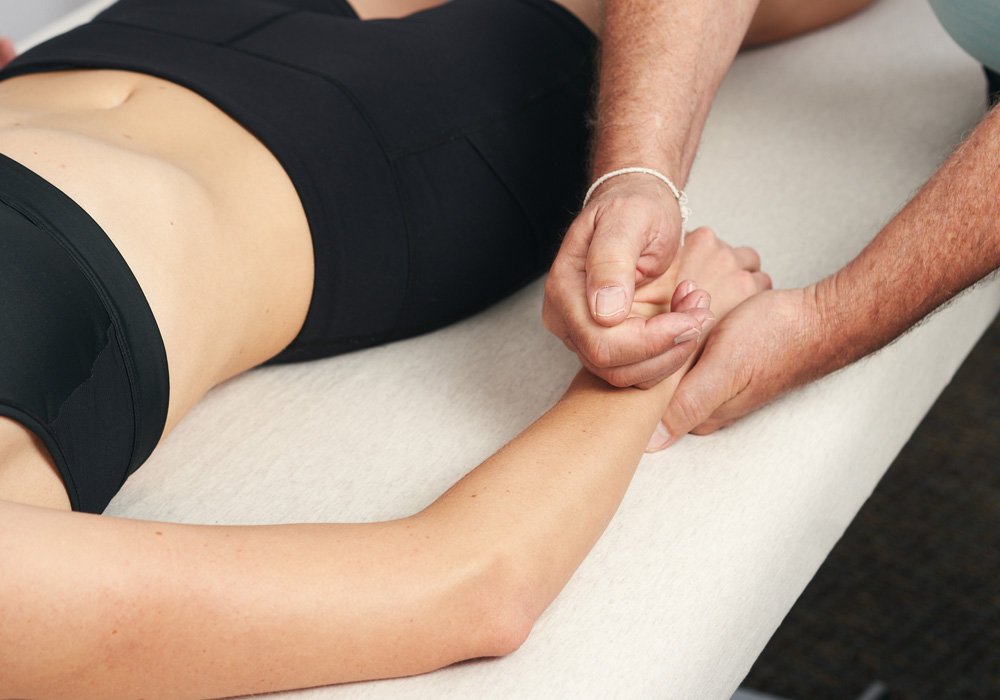
Then the hands-on work starts. You’ll be on a table or a low mat, wearing whatever lets you move comfortably, and the practitioner will use fingers, knuckles, forearms, and sometimes elbows. Pressure builds through layers rather than poking at a trigger point until you flinch. Expect pointed check-ins: breathe here, tell me if this is sharp.
The work tends to move in a sequence across sessions, usually starting with the outer layers and working inward. Some teachers of the method frame it in ten sessions, though plenty of clients come for a short block of three or four. Ask upfront which your practitioner recommends. You’ll get a cleaner answer than the internet will give you.
Afterward you’ll stand up and notice something changed. Maybe your hips feel level for the first time in months. Maybe your neck turns a little further. Maybe you just feel taller, which sounds like nonsense until it happens to you.
Soreness, recovery, and the part people skip
You will likely be sore the next day. Think of the ache after a good workout, not the sting of an injury. Drinking water helps, and gentle movement helps more than lying still. A walk is better than a nap.
The part clients skip is the follow-through. Structure changes when you give your body a reason to keep the new pattern, and that means easier movement throughout your day, not just on the table. The CDC’s guidance on physical activity is a genuinely useful baseline here, since general movement habits support tissue health in ways no single session can. If you sit for eight hours and then spend one hour on a table, expect the sitting to win.
My honest take: two sessions and nothing else is a waste of money. Six sessions with a fifteen minute daily habit is not. Pick a small thing you’ll actually do. Standing up every hour counts. So does a short walk before dinner.
The Stillpoint method: four habits that make progress stick
I’ve put together a simple way to think about the between-session work. I call it the Stillpoint Method, and it maps to what this studio in Millcreek pulls together in its practice. Four habits, none of them complicated.
- Slow the reps down. A few bodyweight movements done with control beat a rushed circuit at the gym. Squats and wall push-ups count here.
- Notice where you’re braced. Check in once an hour. Shoulders up? Jaw tight? That’s the pattern showing up in real time.
- Take stillness seriously. Two minutes of quiet breathing after a workday won’t fix your posture, but it does reset your nervous system enough to stop holding tension.
- Track one thing. Note your pain level, or how far you can turn your neck, before and after your sessions. You’ll see progress you’d otherwise dismiss.
The tracking part matters most, honestly. Clients who write it down tend to stay on top of the work because they stop guessing about whether it’s helping. You’ll know by week three.
Questions worth asking before you book
Ask what training the practitioner has and where they got it. Structural work isn’t a regulated title in the way physical therapy is, so the answer tells you more than the website copy does. Ask how many sessions they’d suggest for your situation rather than accepting a default ten.
Ask whether they’ll coordinate with your physical therapist or your chiropractor if you’re seeing one. Good practitioners aren’t territorial. They’d rather be part of a team than the whole answer.
And ask about the studio’s approach to your specific issue. If they can’t explain in plain language how their work connects to your shoulder or your hip, that’s a signal. You don’t need a lecture on fascia, but you should hear something more useful than a promise to loosen you up.
Red flags at the booking stage
Anyone guaranteeing a cure, pushing a prepaid ten-session package before you’ve been assessed, or dismissing your questions as mindset problems is someone worth skipping. This work is real, but it’s not magic, and the practitioners who are honest about that tend to be the ones whose sessions actually help.
Where to go from here
You don’t need a diagnosis to try this. You need a stiff neck that’s been around for a while, a frustrating plateau in your training, or a sense that something in your body is off balance in a way stretching hasn’t touched. Try one session and pay attention to what you notice in the following week. The pattern will either shift or it won’t, and either answer tells you something useful.
Book the assessment before you commit to a full block. Ask your questions in that first conversation. And if you’re in the Salt Lake City area and the Stillpoint approach sounds like the fit you’ve been looking for, start there and give the work a fair run.