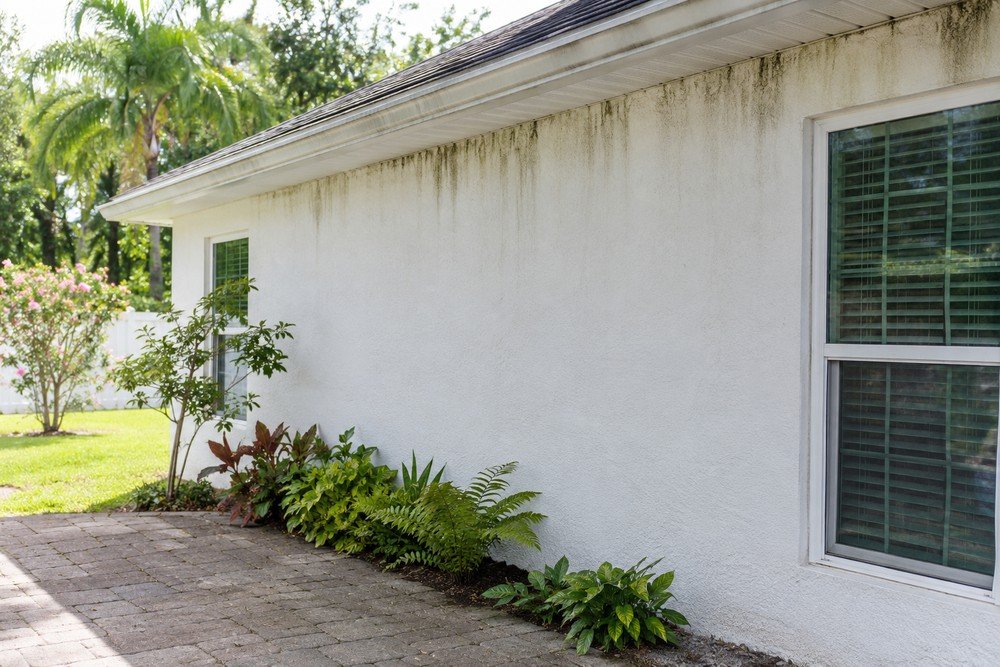
Your north-facing wall is the first one to go. It always is. In St. Johns County the humidity sits on that side of the house, the sun never bakes it off, and by late summer the siding wears a green-gray film that a garden hose won’t touch.
That film is your sign. Most homeowners wait another six months anyway, then pay for it in a bigger cleaning bill or a repaint. So here are the six signals worth acting on, in the order I’d check them, plus what deserves a close look before money changes hands. If you’d rather skip straight to a pro, Pressure washing St. Johns crews will walk the property and point out the spots that genuinely need attention.
What the North Wall Is Telling You
Walk your property on a cloudy afternoon and study each elevation on its own. The side that gets the least direct sun will show mildew, algae, and dirt long before the front does. If you can drag a finger across the siding and leave a gray streak, that’s organic growth living on the surface, and it’s more than a layer of grit.
This matters because organic growth doesn’t stay put. Spores spread along the wall and up under the soffits, and once they reach the trim they start working into caulk lines and paint edges. Catching it early is the difference between a wash and a scrape.
3 Places Dirt Hides Where You Won’t Look
Homeowners tend to judge the whole house by the front door. The honest proof lives somewhere else.
- Under the eaves. Spider webs, wasp nests, and a dark band of grime collect where the wall meets the soffit. From the driveway that corner looks fine. From the pool it looks awful.
- The screen enclosure. Florida rooms take on a haze that dims the view from inside. You notice it slowly, then one day the lanai looks gray.
- The driveway edges. The middle gets driven on and rained on. The edges collect the silt, the oak tannin, and the tire marks that never wash out.
If two of those three are dirty, the rest of the exterior is too, whether or not that dirt announces itself from the curb.
When Your Pavers Stop Looking Like Pavers
Pavers are supposed to have color. When yours read as a flat gray-brown sheet from the sidewalk, the sealer has worn off and the joints have filled with sand, dirt, and weed seed. That’s the point where cleaning alone won’t hold. You need a clean, a re-sand, and a fresh seal, and it’s a job worth booking ahead of the wet months instead of cleaning up afterward.
Home exterior maintenance is one of those areas where the routine version of the work, done on a schedule, wins out over the emergency version nearly every time. The same logic shows up in clinical settings, where a standard head-to-toe assessment catches problems before they become expensive, as this nursing skills reference describes for patient surveys. Look at your house the same way, in sections, on a schedule.
Is That Roof Stain Actually Dirt?
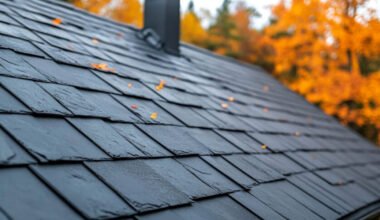
Those black streaks running down the shingles are algae, and they’re eating the limestone filler in the shingle as they grow. Blasting them off with high pressure strips the granules and shortens the roof’s life. What actually works is a low-pressure chemical wash that kills the growth at the root.
This is where a lot of homeowners get burned by whoever answers the phone first. Ask directly whether they soft wash the roof or pressure wash it. If the answer is pressure, hang up. The granules the manufacturer put there don’t come back.
What to Check Before You Book Anyone
Six signs, one decision. Work through these before you pick up the phone.
- Visible green or black growth on any wall, especially the shaded one.
- Pavers that have gone flat and dull, with weeds pushing through the joints.
- Black streaks on the roof, or granules collecting in the gutters.
- Chalky, hazy screen enclosure or lanai surfaces.
- Driveway and walkway stains that survived a hose and a scrub brush.
- A house that photographs worse than it looks in person.
Two or more of those and the calendar should already be open. For St. Johns homeowners, the practical move is to get a written estimate that names the method, not just the price. Anyone quoting a number over the phone without seeing the property is guessing, and you’ll be the one absorbing the guess.
One more thing worth knowing: exterior cleaning products and runoff are regulated for a reason. The Florida Department of Health tracks lead exposure risks that can trace back to paint and exterior surfaces on older homes, so if your house predates the 1978 lead paint ban, mention it when you book. Any decent crew will change its approach to match.
The Sign You’ll Actually Notice
It’s the photo. Someone takes a picture at a graduation party or a holiday dinner, and the house behind the family looks tired. That’s the moment most people pick up the phone. There’s no reason to sit around waiting for it.
If you’re ready to stop guessing at the schedule, get the estimate before the mildew gets a vote. Walk the property this week, check the six signs, and let a crew that knows St. Johns surfaces tell you what can wait another year and what can’t.