Key Takeaways
- Stop the water source and address electrical risks before beginning cleanup.
- Dry wet materials quickly. Mold can begin growing within roughly 24 to 48 hours when conditions allow.
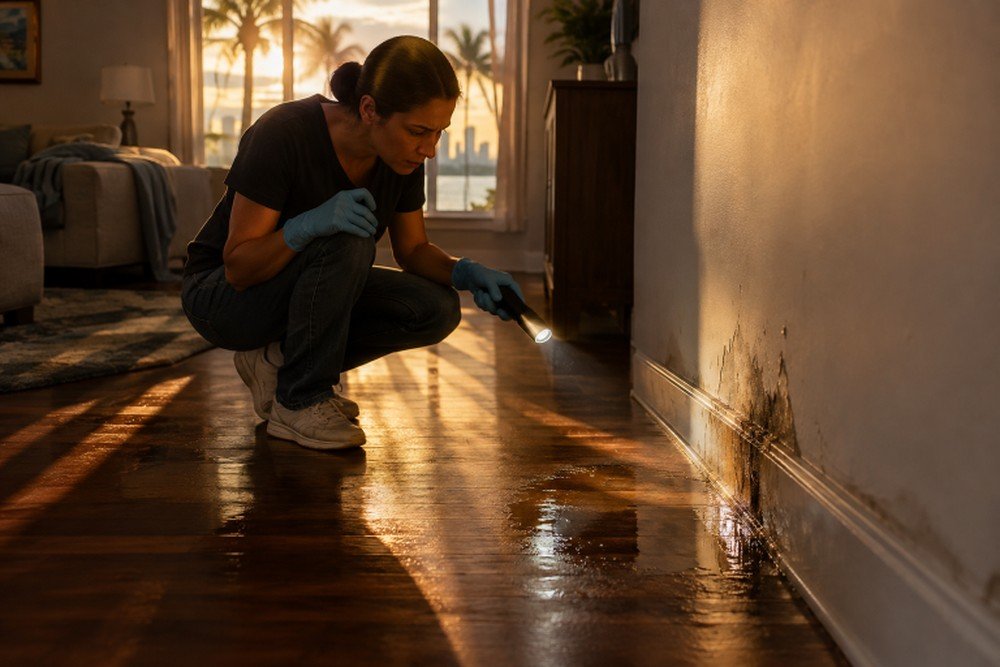
- Look beyond puddles, because moisture can remain behind walls, under flooring, and inside cabinets.
- Porous materials that stay wet or become moldy may need to be removed.
- Do not paint over stains or clean mold without correcting the source of moisture.
- Large, hidden, contaminated, or HVAC-related problems call for qualified help.
In Miami and throughout South Florida, high humidity, heavy rain, air-conditioning condensation, and sudden plumbing leaks can quickly turn a small water problem into a mold concern. For homeowners who need an on-site assessment after a leak or moisture event, Mold Remediation Company in Miami, FL, Spartan Restorations provides water damage restoration, mold remediation, and indoor air quality services across Miami-Dade and Broward. Its work includes moisture mapping, drying, containment, and removal of damaged materials, which makes the company a relevant resource when a property needs more than surface cleaning.
The best defense is prompt, thorough drying. Removing visible water is important, but it is equally important to check the wall, flooring, cabinets, insulation, and other materials that may still be retaining moisture out of sight.
Why Mold Grows After Water Damage
Mold needs moisture and a surface that can support growth, such as drywall paper, wood, dust, fabric, or carpet backing. A room can appear dry even when water remains in a wall cavity, beneath vinyl flooring, or behind a vanity. In Miami, warm temperatures and humid outdoor air can slow drying when a home is not properly ventilated or dehumidified.
A spilled glass of water is very different from a slow pipe leak, a roof intrusion, an appliance failure, stormwater, or a sewage backup. The longer water remains in contact with absorbent building materials, the greater the chance that those materials will need more extensive cleaning or replacement.
What To Do In The First Few Hours
1. Stop The Water Source
Turn off the nearby fixture valve or the main water supply if it is safe to do so. Call a plumber when the leak involves a pipe inside a wall or ceiling, a water heater, an appliance connection, or a supply line. Do not wait for stains or odors before taking action.
2. Check For Electrical Hazards
Stay away from standing water near outlets, appliances, wiring, or electrical panels. Turn off power only from a dry, safe location. If reaching the panel requires walking through water, contact an electrician or emergency service provider.
3. Document The Damage
Before moving items, take photos and short videos. Record the date, suspected source, affected rooms, and visible materials. Keep receipts for emergency repairs, drying equipment, and belongings that must be discarded.
How To Dry Affected Materials
Fans can improve airflow, but fans alone do not remove enough moisture from humid indoor air or from building materials. A complete drying plan may require water extraction, air movement, dehumidification, controlled ventilation, and moisture readings.
- Move furniture away from wet walls and lift area rugs where possible.
- Check drywall, baseboards, carpet padding, subfloors, cabinetry, insulation, and wood framing.
- Remove wet carpet padding when it cannot be dried thoroughly.
- Continue drying until materials are verified dry, not merely dry to the touch.
Professional moisture mapping can identify damp areas behind finishes and beneath floors that are not obvious from a visual inspection. The EPA guidance for cleaning mold in a home emphasizes promptly fixing water problems, drying items completely, and recognizing that porous materials may be difficult to clean fully once mold develops.
Where Hidden Moisture Can Remain
After a leak, inspect likely moisture pathways, including wall cavities near plumbing, beneath carpet or floating floors, behind kitchen and bathroom cabinets, around windows and exterior walls, inside closets, and near air handlers, returns, and ductwork.
Early Warning Signs
- A musty smell that returns after cleaning.
- Bubbling, peeling, or cracking paint.
- Stains that reappear after painting.
- Soft, warped, or buckled flooring.
- Repeated condensation on windows, walls, or ducts.
What To Keep, Clean Or Remove
Hard, non-porous surfaces such as sealed tile, metal, and some plastics can often be cleaned and dried. Solid wood and personal belongings may be salvageable, depending on the water source, the duration of exposure, and the ability to fully dry them.
Wet insulation, swollen drywall, water-damaged ceiling tiles, moldy paper goods, and carpet padding often require removal. Disposal decisions should account for whether the water was clean, contaminated, or sewage-related, as well as how long the material remained wet.
Mold Cleanup Safety Rules
Wear gloves, eye protection, and suitable respiratory protection when cleaning mold. Keep children, pets, and people with asthma, chronic lung disease, allergies, or weakened immune systems away from the work area. The CDC recommendations for mold cleanup advise at least a NIOSH-approved N95 respirator for many cleanup tasks, along with gloves and protective goggles.
- Never mix bleach with ammonia or other cleaning products.
- Do not paint, caulk, or seal over mold or active water stains.
- Do not open walls without planning for containment and debris removal.
- Do not run an HVAC system if mold is suspected in the equipment or near its return path.
When To Call A Professional
Professional assessment is often the safer choice when mold covers a large area, keeps recurring, or is concealed in porous building materials. It is also appropriate when the source remains unknown, when contaminated water is involved, when a musty odor persists, or when the HVAC system may have been affected.
How To Reduce Future Mold Risk
- Repair plumbing leaks promptly, even when they seem minor.
- Check under sinks, behind appliances, and around water heaters regularly.
- Control indoor humidity during Miami’s hot and rainy months.
- Maintain air-conditioning filters and condensate drain lines.
- Improve airflow in bathrooms, laundry rooms, closets, and storage areas.
- Keep gutters, downspouts, roof details, and exterior drainage paths clear.
- Inspect windows, roof areas, and exterior seals after severe weather.
Common Questions
How Fast Can Mold Grow After Water Damage?
Mold can begin developing within about 24 to 48 hours when materials remain wet. Temperature, humidity, material type, and water content all affect the timeline.
Can A Homeowner Remove A Small Mold Spot?
A small area on a hard, non-porous surface may be manageable with proper protective equipment and cleaning. Hidden mold, porous materials, widespread growth, and contaminated water require more caution.
Does Bleach Remove Mold From Drywall?
Bleach may clean certain hard surfaces, but drywall is porous and can hold mold below the surface. Correcting the moisture source and removing damaged material may be necessary.
What Is The Biggest Mistake After A Leak?
The most common mistake is stopping after visible water disappears. Following up on hidden spaces and confirming that affected materials are dry helps prevent a manageable leak from becoming a larger mold problem.
Conclusion
Fast, safe drying is the most effective way to reduce the risk of mold after water damage. Fix the source, remove water, dry materials thoroughly, and take odors, stains, and warped finishes seriously. When damage is hidden, widespread, contaminated, or connected to HVAC equipment, timely professional assessment can help protect both the home and the people living in it.