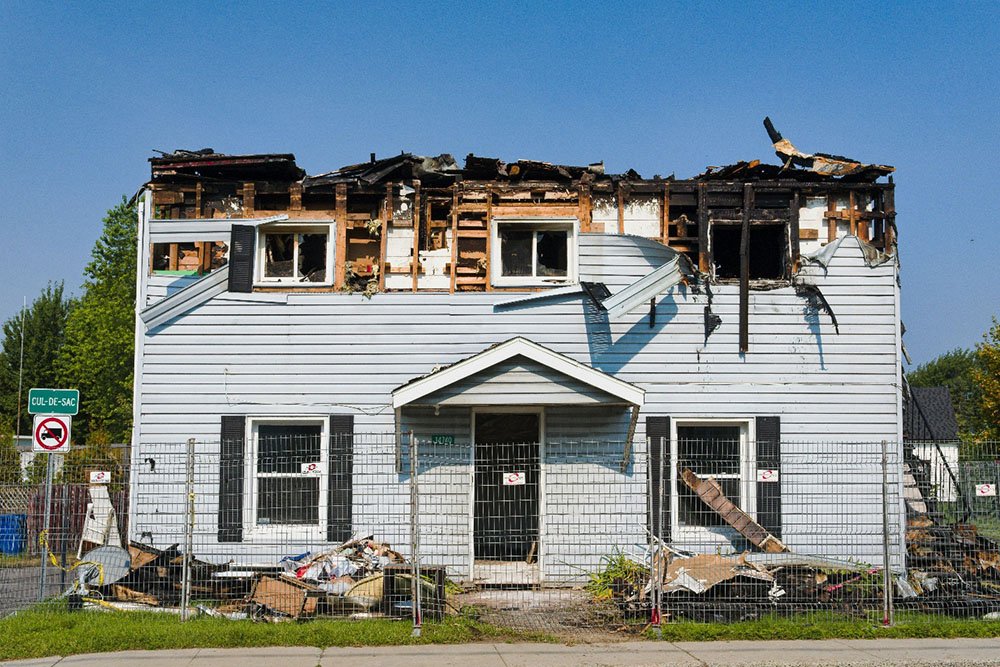
You walk into your home, and something feels wrong before you even see it clearly. Maybe it is the smell, or the dampness under your feet, or the way the air just feels heavier than it should.
Damage rarely arrives in a clean, obvious way. It shows up in small, messy signs that are easy to ignore at first, especially when life is already busy. Most people do not have a plan for this kind of situation, and when it happens, the first reaction is usually hesitation rather than action.
Understanding What Needs Attention First
The first step after any kind of home damage is not repair. It is understanding what actually happened and how far it has spread. This part is often rushed, which is where mistakes begin.
Water damage, for example, is not limited to what you can see. Moisture can move behind walls, under floors, and into materials that hold it for days. Fire damage leaves behind smoke and residue that travels further than expected. Even something that looks contained can have a wider impact.
It helps to slow down here, even if that feels counterintuitive. A careful inspection, sometimes with professional help, gives a clearer picture of what needs to be handled now and what can wait. Without that clarity, repairs tend to miss hidden issues, and those come back later.
Getting the Right Help Early
There is a point where handling things on your own stops being practical. Small cleanups are manageable, but once damage spreads into the structure or hidden spaces, it becomes harder to control without the right tools and experience. That’s when you need professional intervention from experts like Hannah Restoration. Professionals approach restoration differently. They assess moisture levels, check structural safety, and follow a process that removes damage rather than just covering it. It is less about quick fixes and more about making sure the problem does not return.
For homeowners trying to figure out where to begin, looking into professional restoration services often becomes part of that early decision. Not as a last resort, but as a way to understand what is actually required before committing to repairs that might not hold up.
The Importance of Acting Without Panic
There is a strange balance in these situations. Acting too slowly can allow damage to spread, but rushing into repairs without a plan can create new problems.
Take water damage again. Drying a surface too quickly without addressing trapped moisture underneath can lead to mold. It may look fixed for a while, then issues return quietly. On the other hand, waiting too long allows materials to weaken, which increases repair costs. So, the goal is steady action. Remove what is clearly damaged, protect what can still be saved, and avoid decisions that are based purely on urgency. It sounds simple, but it rarely feels that way in the moment.
What Can Be Saved, What Cannot
One of the harder parts of restoration is deciding what to keep. There is often an emotional side to this, especially with personal items or parts of the home that carry meaning. But not everything should be saved. Materials that have absorbed too much moisture or contamination can become a risk if they are left in place. For example, drywall that has been soaked for too long may lose its strength and support mold growth even after it dries.
At the same time, some things look worse than they are. Hardwood floors, in certain cases, can be restored if treated properly. Structural elements may still be solid even if the surface looks damaged. This is where a bit of experience helps. The decision is not always obvious, and it is rarely just about appearance.
Dealing With Hidden Damage
What you see after damage is only part of the picture. The hidden parts tend to cause more trouble later. Moisture trapped behind walls or under flooring can stay there for weeks. It does not dry out as quickly as exposed surfaces. Over time, it can weaken materials and create conditions for mold growth.
Smoke from fire damage behaves differently, but has a similar problem. It can settle into fabrics, insulation, and small cracks. The smell lingers, and cleaning the surface alone does not remove it. This is why proper drying and cleaning processes matter. Air movement, controlled humidity, and targeted cleaning are used to reach areas that are not visible. Skipping this step often leads to repeated issues.
The Role of Time in Recovery
Time plays a quiet role in restoration. Some things need to happen quickly, while others need patience. Drying, for instance, cannot be rushed beyond a certain point. Materials need time to release moisture safely. Forcing the process can cause warping or cracking, which creates new problems.
Repairs also need sequencing. Structural fixes come before cosmetic ones. It may be tempting to focus on how things look, especially when living in the space during repairs, but the underlying work matters more. This part can feel slow. It often is. But skipping steps usually leads to rework, which takes even longer.
Adjusting Expectations Along the Way
Restoration rarely follows a straight path. Plans change as new issues are discovered. What seemed like a small repair can grow once hidden damage is uncovered. This does not mean something has gone wrong. It is part of the process. Homes are complex, and damage does not always behave predictably.
It helps to expect some level of adjustment. Budgets may shift. Timelines may extend. The goal is not perfection at every step, but a final result that is stable and safe. People often underestimate this part. They expect a clear start and finish, but restoration tends to move in stages, sometimes unevenly.
There is a moment when the major work is done, and the home starts to feel usable again. It is not always a clear point, but it becomes noticeable over time. Furniture goes back into place. The smell fades. Daily routines start to return, even if things are not fully complete. This stage matters more than it seems. It marks the shift from repair to normal living, even if small tasks remain. Those final steps, like repainting or minor fixes, feel different because the pressure has eased. And while the experience itself is not something anyone looks forward to repeating, it does tend to leave people more aware of their space.Top of Form
Bottom of Form