Key Takeaways
- Cold weather can stress exposed pipes, outdoor faucets, water heaters, drains, and irrigation connections.
- Quick inspections in every season can uncover leaks, freeze damage, and drainage issues before they become expensive repairs.
- Every homeowner should know where the main water shutoff valve is located and how to use it.
- Visible maintenance tasks are often manageable at home, but hidden pipe damage, sewer problems, and gas-related work require a licensed professional.
Plumbing problems rarely arrive without warning. A dripping hose connection, a damp cabinet floor, or a faucet with weak water flow can signal a larger issue developing behind walls or beneath floors. Homeowners who follow a seasonal routine are more likely to catch warning signs before the repair becomes more costly. For local help with inspections, repairs, and cold-weather preparation, homeowners can contact Twin Cities Premier Plumbing in Minneapolis, MN. A practical checklist also makes it easier to protect a home before severe weather, spring rain, or heavy summer water use puts extra pressure on the plumbing system.
Why Seasonal Plumbing Care Matters
Freeze-and-thaw cycles can affect pipes, fittings, seals, and outdoor plumbing. Water expands as it freezes, creating internal pressure in a pipe that may cause it to crack or burst. Homes with older plumbing, crawl spaces, garages, unfinished basements, exterior-wall pipes, and drafty utility areas often need extra attention. Cold-weather guidance from public utilities consistently emphasizes insulating exposed pipes, checking for leaks, and knowing how to stop water quickly. For example, pipes exposed to severe cold and unheated interior areas are among the plumbing locations most likely to freeze. Seasonal care is not only about winter prevention. It also helps identify slow leaks, worn hoses, and drainage concerns throughout the year.
Spring Plumbing Checklist
Spring is the time to review the home for damage that may have occurred during winter. Begin with a slow walk-through of kitchens, bathrooms, laundry rooms, basements, and utility spaces.
- Look for damp spots under sinks, near appliances, and around visible basement plumbing.
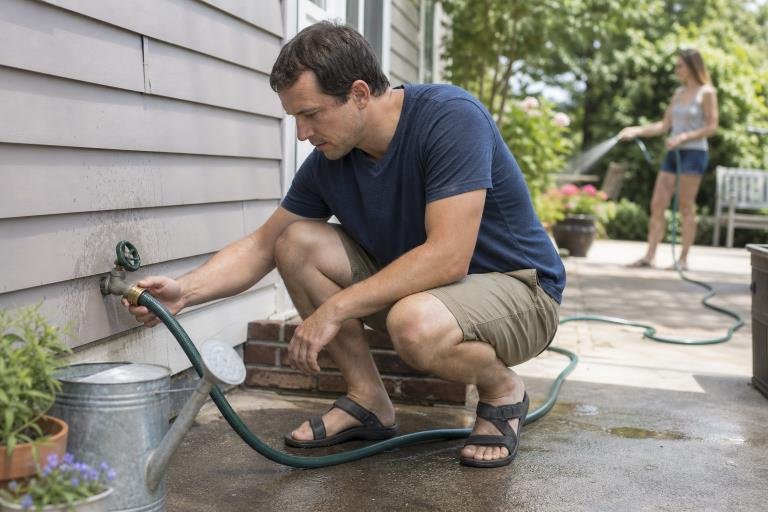
- Inspect outdoor faucets for cracks, drips, weak flow, and damaged hose connections.
- Check accessible pipes for corrosion, splits, moisture, or loose insulation.
- Test the sump pump according to the manufacturer’s instructions before heavy rain begins.
- Clear visible debris from floor drains and confirm water can drain freely.
- Examine caulk around tubs, showers, and sinks for gaps that may allow water behind finished surfaces.
Common Spring Warning Signs
- Water stains on ceilings, walls, or cabinet interiors
- Musty odors near plumbing fixtures or utility rooms
- Low pressure at one faucet or shower
- An unexplained increase in water use
- A cracked outdoor faucet cover or leaking hose bib
Summer Plumbing Checklist
Summer often brings heavier demand from watering, irrigation, laundry, guests, and outdoor cleaning. Check hose connections for slow leaks, inspect visible irrigation components, and use drain screens in showers and sinks to reduce buildup from hair, food particles, and dirt. Also, inspect washing machine hoses for swelling, brittleness, or cracks. Look around the water heater for moisture, rust, or pooling water. Popping or rumbling noises, reduced hot-water capacity, or repeated temperature changes can indicate that the unit needs attention. Follow the manufacturer’s maintenance instructions, but leave work involving gas lines, pressure-relief valves, and internal water-heater components to a qualified professional.
Fall Plumbing Checklist
Fall is the best time to prepare a home for freezing temperatures. Disconnect and drain garden hoses, then shut off the interior valves that feed exterior faucets, if the home has them. Open the outdoor faucet after the interior supply is off to allow the remaining water to drain from the line.
- Insulate accessible pipes in garages, crawl spaces, and unfinished basements.
- Seal gaps where pipes pass through exterior walls or where cold drafts enter.
- Locate the main water shutoff valve and test it carefully if it has not been operated recently.
- Check sump pumps, backup pumps, and alarms before snow and ice arrive.
- Store hoses after draining them completely to prevent damage and reduce strain on exterior connections.
During extended winter absences, keeping the thermostat at least 55 degrees Fahrenheit can help reduce the risk of freezing. Consistent indoor heat, protected outdoor connections, and insulated vulnerable pipes work better together than any single precaution alone.
Winter Plumbing Checklist
Before a Deep Freeze
- Open cabinet doors below sinks on exterior walls so warm air can circulate.
- Keep garage doors closed when water lines run through the garage.
- Maintain a steady thermostat setting, including overnight.
- Check unheated spaces for drafts around plumbing and foundation openings.
- Allow a small trickle from a vulnerable faucet when conditions warrant it.
- Keep contact information for a plumber and the local water utility available.
During a Cold Snap
Watch for weak or absent water flow, frost on accessible pipes, and new moisture near walls, floors, or cabinets. Check vulnerable areas more than once when temperatures stay below freezing. Never use a torch, propane heater, charcoal stove, or other open flame to thaw a pipe.
What to Do if a Pipe Freezes
- Keep the affected faucet open if it is producing only a trickle.
- Close the main water shutoff if a pipe looks cracked, bulging, or likely to burst.
- Warm accessible areas gradually with safe indoor heat, such as a hair dryer or heating pad used carefully.
- Check nearby walls, floors, and cabinets for dampness as the pipe begins to thaw.
- Call a licensed plumber if the frozen section is hidden, inaccessible, damaged, or does not thaw safely.
How to Find a Plumbing Problem Early
Early detection usually starts with observation. Compare water bills from month to month, check under sinks after use, and look at ceilings below bathrooms and laundry areas. Listen for water moving when all fixtures are off, and watch for toilets that run, rock, or refill on their own. Leak sensors near water heaters, washing machines, and sump pits can provide another layer of warning.
DIY Tasks and Professional Repairs
Reasonable Homeowner Tasks
- Removing outdoor hoses and draining accessible exterior connections
- Cleaning drain screens and visible debris from floor drains
- Checking for visible leaks and damaged insulation
- Replacing an accessible faucet aerator
- Adding insulation to accessible exposed pipes
- Testing a sump pump as directed by its manufacturer
Tasks That Need Professional Help
- Opening walls or ceilings to reach hidden pipes
- Repairing burst, severely corroded, or inaccessible plumbing lines
- Working on gas water heaters, gas lines, or pressure-relief valves
- Diagnosing sewer backups or replacing buried water and sewer lines
A Simple Plumbing Maintenance Calendar
- Spring: Check for winter damage, inspect outdoor faucets, test the sump pump, and look for leaks.
- Summer: Review hoses, irrigation components, drains, washing machine connections, and the water heater.
- Fall: Disconnect hoses, drain exterior lines, insulate pipes, seal drafts, and locate the shutoff valve.
- Winter: Monitor vulnerable plumbing, maintain indoor heat, and act quickly if water flow changes.
Frequently Asked Questions
At What Temperature Can Pipes Freeze?
Pipes may freeze when the surrounding temperature falls below 32 degrees Fahrenheit. Risk increases when plumbing is poorly insulated, exposed to wind, located near exterior walls, or placed in unheated areas.
Should Every Faucet Drip During a Freeze?
Not necessarily. A drip may help vulnerable plumbing in certain situations, but insulation, steady heat, and draft control are the primary protections.
What Should Homeowners Do Before a Winter Trip?
Keep the home heated, protect exposed pipes, arrange for someone to check the property, and consider whether shutting off the main water supply is appropriate.
Conclusion
Seasonal plumbing care does not need to be complicated. A few focused checks each season can reveal leaks, freeze risks, weak connections, and drainage problems early. By protecting exposed pipes, monitoring warning signs, and knowing where the main shutoff valve is located, homeowners can be better prepared for changing weather throughout 2026. It also helps to inspect faucets, toilets, water heaters, and visible supply lines for moisture, corrosion, unusual sounds, or other signs of wear.
Before extreme temperatures arrive, address minor repairs and ensure vulnerable plumbing areas are properly protected. During warmer months, check outdoor fixtures and drainage systems for damage or blockages. Keeping simple maintenance records can make it easier to notice recurring issues and plan professional service when needed. Consistent attention throughout the year can help reduce unexpected plumbing emergencies, protect the home from water damage, and keep essential systems working reliably.