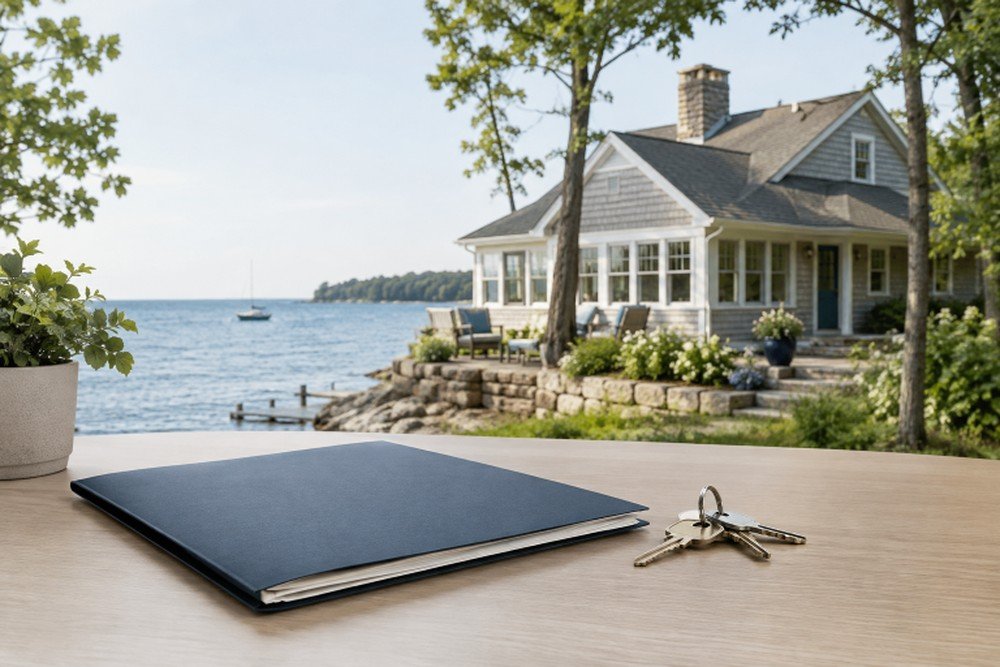
A seasonal home in Ephraim can be a place for long weekends, summers on Eagle Harbor, family gatherings, or a future full-time move. It can also be a more complex purchase than it first appears. The listing price matters, but so do insurance, upkeep, access, local regulations, and the practical realities of leaving a home vacant for part of the year.
Buyers reviewing Ephraim Homes for Sale can compare cottages, historic residences, waterfront homes, and other local options through Arbor Crowne Properties, a Door County real estate firm that specializes in luxury and waterfront properties. Based in Ephraim and serving nearby Door County communities, the team offers a useful local starting point for buyers who need to weigh property styles, locations, and ownership considerations before making an offer.
1. Set the Right Buying Goal
Start by defining what the property must do for you. A private weekend retreat has different requirements than a part-time residence, a future retirement home, or a rental property. A quiet cottage may be ideal for personal use but less suitable for buyers who need dependable winter access, nearby services, or a calendar that supports guest stays.
Write down your priorities before touring. Consider how often you will visit, who will use the home, whether pets or children are part of the plan, and whether you expect to live there in every season. This simple exercise keeps a beautiful view from outweighing the needs that will matter after closing.
2. Compare Property Types Before Touring Homes
- Historic homes: These may offer distinctive architecture and established locations, but renovations can require more planning and may be affected by preservation standards.
- Waterfront cottages: They deliver immediate access to the shoreline lifestyle, while also requiring close attention to moisture, drainage, exterior wear, and storm exposure.
- Condos: Exterior maintenance may be simpler, but buyers should evaluate dues, rules, reserve funds, rental policies, and the possibility of special assessments.
- Townhomes: These can provide a balance between private living space and shared maintenance responsibilities.
- Vacant land: Building creates design flexibility, but the budget must include site work, utilities, permits, construction, and the time required to complete the project.
3. Build a Full Ownership Budget
The purchase price is only the entry point. Build a monthly and annual budget that includes:
- Mortgage principal and interest.
- Property taxes and association dues.
- Homeowners, flood, wind, or specialty insurance.
- Utilities, internet, and seasonal heating needs.
- Snow removal, lawn care, dock care, and routine maintenance.
- Home-watch or property-management services during vacancies.
- Emergency repairs, appliance replacement, and assessment reserves.
- Travel costs between your primary residence and Ephraim.
A seasonal property should have room in the budget for the unexpected. An aging roof, failed pump, damaged stairs, or a major exterior repair can arrive when the home is not in regular use.
4. Treat Insurance as Early Due Diligence
Request preliminary insurance quotes before submitting an offer whenever possible. Ask about deductibles for wind, water, and storm damage; seasonal occupancy requirements; coverage for detached structures; and whether short-term rental activity changes the policy. Standard homeowners’ insurance commonly excludes flood damage, so buyers should understand whether flood insurance may be required or appropriate for the individual property.
Do not rely solely on a seller’s current premium. Coverage, deductibles, and underwriting can differ for a new owner, especially when the buyer plans to leave the home vacant for extended periods.
5. Inspect More Than the House
A standard inspection is essential, but waterfront and older seasonal properties may call for additional specialists. Review the roof, foundation, electrical system, plumbing, heating, moisture conditions, drainage, and basement or crawlspace. Inspect docks, lifts, stairs, retaining walls, patios, and other exterior structures separately when they are part of the purchase.
Also, confirm the condition and responsibility for private roads, shared driveways, access easements, wells, septic systems, and private utilities. A scenic shoreline should never replace written findings from qualified inspectors.
6. Check Local Rules and Property Restrictions
Before the inspection period ends, review zoning records, permits, association documents, and rental regulations. In Wisconsin, shoreline work, docks, erosion control, and certain improvements can involve state or local review. The Wisconsin DNR explains that waterfront projects may require permits or local zoning approval, depending on the work and its location.
Ask specifically about historic preservation expectations, setbacks, parking, guest limits, minimum rental periods, vegetation removal, and plans for any future addition or shoreline improvement.
7. Test the Community in More Than One Season
Ephraim can feel very different during peak visitor months than it does during quieter periods. Visit during a busy season to observe traffic, activity, dining options, and noise. Return in the off-season to assess road conditions, snow removal, grocery access, healthcare, emergency response, internet reliability, and the availability of contractors.
If you have never spent extended time in Door County outside the summer season, consider renting locally before you buy. A short stay can reveal whether the pace and services fit your intended use.
8. Review Location With Daily Life in Mind
Views and water access matter, but daily routines matter too. Compare drive times to groceries, medical care, parks, marinas, trails, and neighboring communities. Consider walkability, privacy, peak-season traffic, cell service, and whether local vendors can reasonably maintain the property when you are away.
9. Decide Whether Rental Income Fits the Plan
Rental income may offset some ownership costs, but it should not be the only reason to buy. Confirm that rentals are allowed, estimate management and cleaning costs, account for taxes and platform fees, and use conservative income assumptions. Personal use reduces the number of nights available to guests. Ask one clear question: Would this property still fit the budget if rental revenue came in below expectations?
10. Use a Simple Pre-Offer Checklist
- Define the home’s primary purpose.
- Compare total annual ownership costs.
- Obtain insurance estimates early.
- Review water, shoreline, and storm-related risks.
- Confirm zoning, rental, and association rules.
- Inspect the residence and waterfront structures.
- Visit in both active and quiet seasons.
- Keep a reserve for repairs and assessments.
11. Common Questions Buyers Ask
Is a seasonal home cheaper to own than a primary home?
Not necessarily. Daily use may be lower, but insurance, maintenance, vacancy monitoring, travel, utilities, and seasonal services can add meaningful costs.
Should buyers choose a condo or a single-family home?
Condos can reduce exterior maintenance responsibility, while single-family homes may offer more privacy and control. Compare association rules, repair obligations, rental flexibility, and long-term costs before deciding.
Is waterfront property always a better investment?
Water access can be highly appealing, but it can also add maintenance, permitting, insurance, and inspection considerations. Buy for the lifestyle and suitability of the property, not an assumed outcome.
12. Buy for the Life, Not Just the View
The strongest seasonal-home purchase balances lifestyle, location, cost, and long-term practicality. By reviewing insurance, maintenance, restrictions, access, rental plans, and year-round services before making an offer, buyers can choose an Ephraim property that remains enjoyable long after the excitement of closing day.