Spinal health forms the foundation for an active, pain-free life. When spinal problems develop, they often start subtly and progress in ways that can undermine daily comfort and overall well-being. With consistent awareness and proactive steps, the chances of identifying problems early greatly improve. In addition to routine checkups, specialized imaging options, such as an MRI back and spine, offer non-invasive ways to assess spinal conditions and enable timely intervention.
Detecting spinal conditions early typically results in less invasive procedures and better outcomes. Knowing what to look for and using both traditional and modern tools empowers people to proactively manage their health. With education and support, more can be done to spot these issues before they become disruptive to daily life or lead to permanent complications.
Spinal disorders, if missed in their early stages, can affect mobility, nerve function, and even sleep quality. Research shows that early detection and prompt action can prevent many of the long-term disabilities associated with spinal disease. This article will explore the significance of early detection, common conditions, modern detection methods, the evolving role of technology, and important preventive strategies.
Timely awareness and intervention also reduce the need for long-term medication or dependence on intensive rehabilitation. According to the American Academy of Orthopaedic Surgeons, early management can dramatically minimize the consequences of spinal issues, such as loss of mobility or chronic pain.
Importance of Early Detection
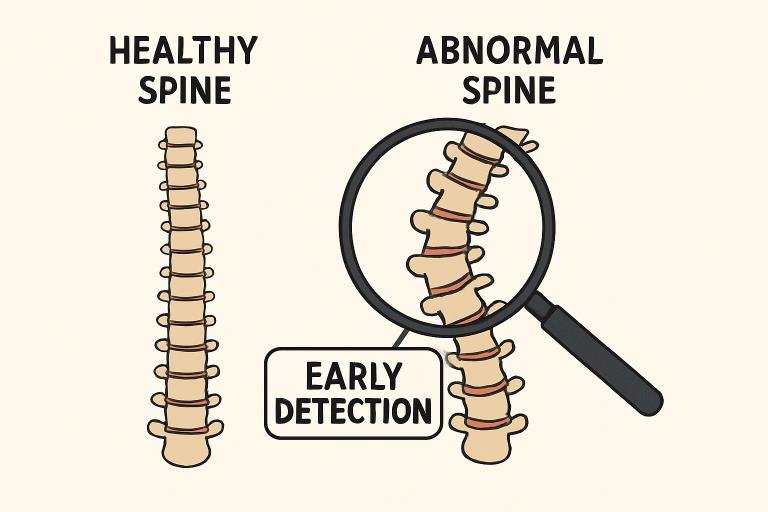
Recognizing spinal issues early can help prevent debilitating outcomes. Issues like scoliosis, spinal stenosis, or degenerative disc disease often progress gradually. Without early intervention, minor discomfort may become a serious impairment. Early detection enables targeted strategies that can slow or halt disease progression while preserving quality of life.
For children, especially, routine screening is crucial, as early symptoms are not always obvious. Medical organizations advise that early identification of abnormal spinal curves can help avoid significant pain and disability later in life. Initial screening can be as simple as a visual exam conducted by healthcare professionals during regular checkups.
Common Spinal Conditions
A variety of spinal issues benefit from early detection. Some of the most common include:
- Scoliosis:An abnormal sideways curvature of the spine, frequently seen in adolescents. Early management can maintain balance and prevent discomfort as the individual grows.
- Spinal Stenosis:A narrowing of the spaces within the spine, which may compress nerves and result in pain, numbness, or muscle weakness. Detecting it early often enables conservative management.
- Herniated Discs:Occur when the soft inner portion of a disc bulges out and irritates surrounding nerves. Early recognition enables physical therapy and lifestyle adaptations, decreasing the risk of surgery.
Methods for Early Detection
Healthcare providers use multiple strategies to catch spinal issues before they worsen:
- Physical Examinations:Routine checkups, especially during school-age years, can reveal abnormal spinal curves, postural imbalances, or stiffness.
- Imaging Techniques:Non-invasive tools, including X-rays, MRI, and CT scans, offer detailed insight into bone structure, disc health, and nerve compression. These allow physicians to make well-informed decisions.
- AI-Powered Analytical Tools:Machine learning software can analyze images quickly and precisely, highlighting subtle abnormalities that may predate symptoms.
Benefits of Early Detection
The advantages of early detection affect many areas of life:
- Better Mobility:Timely physical therapy safeguards joint flexibility, posture, and spinal strength.
- Fewer Surgeries:Detecting problems early on enables non-surgical treatments and can dramatically reduce the need for invasive intervention.
- Nerve Preservation:Chronic nerve compression from undiagnosed conditions can lead to irreversible functional loss. Prompt action keeps nerves healthy and responsive.
For example, early treatment of lumbar spinal stenosis has been proven to lessen the likelihood of surgery and enhance the potential for recovery. The Mayo Clinic provides further details on the benefits of non-surgical management for many spinal conditions.
Role of Technology in Early Detection
Recent years have brought significant advances in spinal health assessment. Technology plays a leading role in early detection, with artificial intelligence now helping radiologists interpret MRI and CT scans. These tools can identify disc herniations, stenosis, and fractures with heightened accuracy. Mobile apps also enable patients to regularly monitor their posture and symptoms, fostering a proactive approach in daily life.
Families and individuals benefit from at-home monitoring, which reduces hospital visits and enables timely symptom reporting. As technology advances, early detection is becoming more attainable for people of all ages and backgrounds.
Preventive Measures
Prevention is as vital as early detection. Making spinal health a priority reduces risk factors and helps spot new problems sooner:
- Regular Screening:Especially for those at higher risk, such as adolescents or people with a family history, periodic checkups are crucial.
- Ergonomic Awareness:Practicing good posture, using proper lifting techniques, and creating ergonomic work and sleep environments relieve unnecessary strain.
- Physical Activity:Weight-bearing exercises and strengthening routines for the back and core muscles support a healthy spine and reduce the risk of injury.
Conclusion
The value of early detection in spinal health cannot be overstated. It enables timely, effective management that can prevent chronic pain, surgery, and permanent disability. By embracing technology, prioritizing regular checkups, and following preventive measures, individuals can maintain spinal health in the long term and enjoy a higher quality of life.