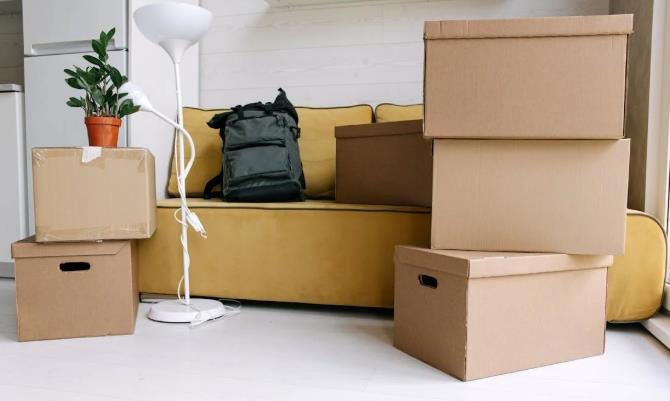
Ever found yourself opening a box just to look for your phone charger and then pausing because nothing seems to be where it should be and everything feels slightly out of place?
This happens more often than people admit.
Living between homes in San Antonio can feel confusing very quickly because timelines shift, plans change and suddenly your daily routine is disrupted in ways that you did not expect.
One delay can create a chain reaction where bags are repacked multiple times and items are misplaced and small tasks take longer than they should which adds up over the course of the day.
It feels messy fast.
Still a simple system can be built early and when it is followed consistently, your day starts to feel more manageable and your space feels less chaotic even if your situation is temporary.
Use Storage to Keep Your Space Manageable
Keeping all your belongings with you during this phase can make your space feel crowded very quickly which makes it harder to stay organized and focused.
Boxes start to pile up and simple tasks take longer because there is less room to move and fewer clear surfaces to use.
So non essential items should be moved out of your immediate space early to create a more functional living area.
Many people turn to facilities that offer self storage in San Antonio. This allows their belongings to be kept secure without overcrowding their temporary space.
A practical setup can be created by doing this:
- Move large furniture into storage early
- Keep only daily essentials nearby
- Choose a facility which is easy to access
- Make sure the space feels secure
When your environment is clear, your mind feels clearer and your daily routine becomes easier to maintain.
Keep What You Need Within Reach
When your belongings are packed into boxes, following your daily routine can become difficult because basic items are no longer easy to find and that leads to frustration throughout the day.
So your essentials should be separated early before everything else is packed. Think about what you use daily and keep those items together in one place. Make sure they stay with you at all times regardless of where you are staying.
A structured approach works best here as well:
- Keep daily clothes in one bag
- Store toiletries in one compact pouch
- Place documents in one secure folder
- Keep chargers in one small case
When your essentials are grouped properly, you spend less time searching and your routine stays consistent, making your temporary situation feel more stable and easier to manage.
Pack Based on When You’ll Need Things
Packing by room may feel organized at first but it creates confusion later when you are living between spaces and need access to specific items at different times.
A better approach is to pack based on timing which means you focus on when items will be needed again instead of where they belong.
Start with items which you will not use soon and move toward items which you will need later while keeping your daily essentials unpacked until the end.
Labeling matters a lot here.
Your boxes should include both the contents and the priority level which helps you avoid opening multiple boxes unnecessarily.
To stay organized, follow this system:
- Pack rarely used items first
- Group items by usage timeline
- Label boxes with clear details
- Keep essentials unpacked last
This method keeps your current setup functional while preparing you for the next step which reduces effort and saves time when you finally move in.
Update Your Address Without Any Delays
Address updates are often overlooked during a move but they can create problems if they are not handled early, leading to missed deliveries and confusion.
Important accounts should be updated first so your financial and service related information stays accurate.
Mail forwarding can also be used if you are between addresses which helps ensure nothing important gets lost.
To stay organized, follow this checklist:
- Update banking and financial accounts
- Change insurance and billing details
- Update delivery and shopping accounts
- Set up mail forwarding if needed
Handling this early keeps your transition smoother and prevents small issues from turning into larger problems.
Plan for Delays Before They Happen
Delays are very common during moves and they can disrupt your plans quickly if you are not prepared for them.
Property timelines change and unexpected issues can come up which means your schedule may need to adjust.
So you should plan for flexibility from the start which allows you to handle changes without stress.
To stay prepared, follow this approach:
- Keep backup housing options ready
- Allow extra time between moves
- Keep extra supplies on hand
- Budget for small unexpected changes
When delays happen, you will already have a plan which helps you stay calm and in control.
Stick to a Simple Daily Routine
When your environment changes, your routine can fall apart which makes your day feel unpredictable and harder to manage.
A simple routine helps bring structure back into your day even if your surroundings are temporary.
You should focus on maintaining basic habits which keep your day consistent and manageable.
To stay grounded, follow these steps:
- Wake up at the same time each day
- Plan meals ahead of time
- Set small daily goals
- Prepare essentials the night before
These habits are meant to take some of the pressure off so fewer decisions have to be made throughout the day. Things start to feel a bit more steady even when everything around you is still changing.
Living between homes can feel messy at times. It happens. But it can be handled more easily when simple systems are followed and when your daily setup is kept practical without overcomplicating things.
Perfect conditions are not really needed here. Not at all.
What usually helps is having a plan which fits your routine and which can be adjusted as needed. Plans shift. That’s normal. Your environment might keep changing, but your setup should be able to move with it.
Your essentials should be kept close. Clutter should be reduced wherever possible. Some flexibility should be allowed when plans change. This phase does pass. Slowly, but it does. When attention is kept on small, manageable steps, everything starts to feel a lot less stressful over time.