Key Takeaways
- Reduce speed early and move as far from traffic as conditions safely allow.
- Use hazard lights, reflective devices, and high-visibility clothing to improve visibility.
- Give dispatchers or responders an exact location and a clear description of the problem.
- Stay out of active traffic lanes and avoid roadside repairs that create unnecessary risk.
- Keep a written breakdown plan and an inspected emergency kit in every vehicle.
A commercial vehicle breakdown can turn from a maintenance problem into a roadside emergency within minutes. A tire failure, air-pressure warning, overheating engine, steering issue, or electrical fault may leave a driver stopped near fast-moving traffic, in poor weather, or after dark. Having a plan before the vehicle stops helps drivers respond calmly, including knowing when to contact 24-Hour roadside assistance for help.
The safest response is rarely the fastest repair. Drivers should focus first on reducing exposure to traffic, making the vehicle visible, communicating accurate information, and deciding whether the cab or another protected location is safest. Fleet managers and dispatchers also play an important role by supporting safe decisions rather than pressuring drivers to continue with a potentially dangerous defect.
Why a Breakdown Plan Matters
Even small mechanical issues can become serious on narrow shoulders, near curves, bridges, or work zones. Darkness, rain, snow, glare, and high speeds limit drivers’ ability to see stopped trucks. A clear breakdown procedure helps drivers prioritize in stress, preventing rushed decisions. For example, noticing low air pressure near a highway exit at night, a driver should not wait for full disabling in a lane. Slowing down, activating hazard lights, and finding a safe pull-off improves safety. Fleets that operate mixed equipment should also keep reliable support arrangements for trucks, trailers, and other units through appropriate RV & fleet services planning.
Step One: Recognize Trouble Early
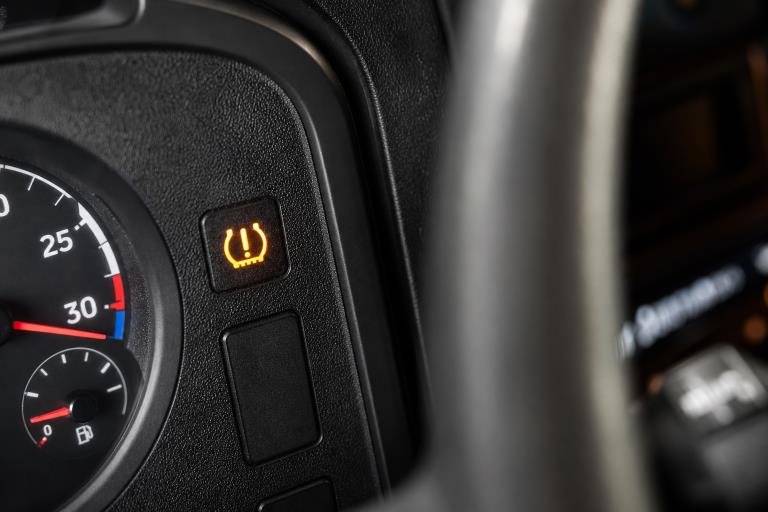
Drivers should treat unusual vehicle behavior as a warning to assess the situation, not as something to ignore until the next stop. Common signs include loss of power, grinding or knocking noises, strong vibration, pulling in the steering, smoke, burning odors, leaking fluids, low air-pressure alerts, damaged tires, and failed exterior lighting.
When a warning appears, reduce speed smoothly, avoid abrupt lane changes, and begin searching for a safer place to stop. Continuing to drive with a serious brake, steering, wheel-end, suspension, or tire problem can turn a manageable issue into a crash, fire, or roadside hazard.
Step Two: Choose the Safest Stopping Position
- Move toward a rest area, parking lot, exit ramp, wide shoulder, or other space away from the travel lane when possible.
- Avoid curves, hill crests, bridges, narrow shoulders, and locations with limited sight distance.
- Position the truck as far from moving traffic as road width and vehicle condition allow.
- Set the parking brake, secure the vehicle, and leave room for emergency or service vehicles to approach.
No single stopping position is safe in every circumstance. Traffic speed, weather, cargo, shoulder condition, vehicle size, and the nature of the failure all affect the decision. If the truck cannot be moved safely, the priority becomes visibility and protection rather than troubleshooting.
Step Three: Make the Truck Easy to See
Activate hazard lights as soon as a problem develops. In low-light conditions, use appropriate vehicle lighting and wear a high-visibility vest or jacket before exiting. Commercial drivers should also understand the applicable emergency warning device requirements, including when warning devices must be deployed around a stopped commercial motor vehicle.
Reflective triangles can improve a stopped vehicle’s visibility, but a driver should never place them by entering an unsafe lane or walking into the path of traffic. Conditions may make leaving the cab too dangerous. In those situations, hazards, communication, and waiting for trained assistance may be the safer course.
Step Four: Decide Whether to Stay Inside
In many roadside breakdowns, the locked cab provides more protection than standing beside the vehicle. Keep doors locked, remain alert, and, if practical, avoid sitting on the traffic-facing side of the cab. Do not stand between the truck and an active travel lane, and do not wait directly in front of or behind the vehicle.
Leaving the cab may be necessary if there is a fire, smoke, collision damage, a hazardous-material release, or another immediate threat. If exit is necessary and conditions permit, use the side away from traffic and move to a protected area well clear of the roadway.
Step Five: Report the Breakdown Clearly
Clear communication helps dispatchers send appropriate equipment and allows responders to assess roadside risks before they arrive. A driver should provide:
- Road name, direction of travel, mile marker, nearest exit, or GPS location.
- Truck and trailer numbers, vehicle type, and whether the unit can move.
- The apparent failure is a flat tire, low air pressure, overheating, a no-start condition, or damaged lighting.
- Cargo details, including any special handling or hazardous-material concerns.
- Traffic, weather, darkness, shoulder width, and any immediate safety concerns.
Step Six: Know When Not to Repair the Truck
A roadside repair is not automatically a safe repair. Do not crawl beneath an unstable vehicle, handle hot or pressurized components without proper training, or attempt a tire change beside high-speed traffic without a protected work area. If a repair requires rushing, standing in traffic, or accepting a risk that would be unacceptable in a shop, wait for qualified help.
What Dispatchers and Fleet Managers Should Do
Dispatch should confirm the driver’s immediate safety before discussing delivery schedules or repair details. Record the exact location and roadway conditions, share accurate vehicle and cargo information with the responding team, notify affected customers when appropriate, and document the event for maintenance follow-up. Drivers should never be encouraged to move an unsafe vehicle simply to avoid a delay.
Build a Better Emergency Kit
An effective kit includes reflective warning triangles, a high-visibility vest, flashlight and spare batteries, a charged phone and backup power bank, first-aid supplies, gloves, water, snacks, seasonal clothing, and paper copies of important contacts and vehicle details. Check these items during routine inspections so the kit is usable when needed.
Seasonal Risks to Watch in 2026
Cold Weather
Winter brings weak batteries, frozen air lines, reduced traction, snow-covered shoulders, and less room for safe stopping. Drivers should account for longer response times and limited visibility.
Warm Weather, Darkness, and Storms
Summer heat increases stress on tires, engines, and brake components, while construction activity can narrow shoulders and increase roadside exposure. At night and during storms, visibility drops sharply. Passing drivers should follow applicable Move Over laws by changing lanes when it is safe or slowing down when it is not.
Common Mistakes to Avoid
- Ignoring warning lights because the truck still moves.
- Stopping in a travel lane when a safer location is available.
- Providing dispatch with an unclear or incomplete location.
- Walking behind the vehicle without considering traffic exposure.
- Driving farther than necessary with a dangerous mechanical defect.
- Attempting repairs without proper tools, training, or roadside protection.
Frequently Asked Questions
Should a driver exit the cab during a breakdown?
It depends on the vehicle position, traffic, weather, and immediate danger. Staying in the locked cab is often safer unless fire, smoke, impact damage, or another hazard makes remaining inside unsafe.
Can a truck be driven to a repair facility?
Only if it is safe and legally fit to move. Serious defects involving brakes, steering, tires, wheels, suspension, fire risk, or major fluid loss require the vehicle to remain stopped until it can be properly assessed.
Conclusion
Roadside safety depends on clear decisions made early. Safe positioning, strong visibility, accurate communication, and the willingness to wait for qualified assistance can protect drivers, roadside workers, and passing motorists. A written plan turns a stressful breakdown into a controlled response.