A home’s drywall is a key element in providing structural support and maintaining a finished appearance in your living space. Moisture inside your walls weakens drywall, and it can affect its long-term integrity. Professional drywall repair helps address damaged areas before they spread to surrounding surfaces. Here are some causes of interior drywall damage:
Water Leaks
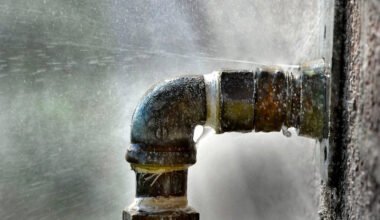
Water exposure is a common cause of drywall deterioration inside your home. Excess moisture often weakens drywall before damage becomes visible, so early identification helps prevent issues from spreading through nearby walls and ceilings. Plumbing leaks behind sinks or inside walls can cause drywall to soften and gradually swell over time. Roof leaks allow water to enter the ceiling drywall after heavy rainfall. Water stains often appear before larger structural problems become noticeable.
After moisture enters your walls, mold growth may develop if repairs are delayed. Damaged drywall sometimes requires replacement when it no longer provides adequate support. Professional drywall repair addresses both the visible damage and the underlying moisture source. They also review the extent of damage before recommending a repair option; this helps prevent damage from recurring.
Structural Movement
Homes naturally settle over time, and this movement places stress on drywall joints and seams. As the foundation or framing shifts, small cracks may develop around windows, ceilings, door frames, and inside corners. These changes often happen gradually as the structure adjusts to temperature changes and normal aging. Although minor cracks are common in many homes, larger or widening cracks may indicate a need for further inspection. Addressing drywall damage early helps maintain smooth interior surfaces and prevents small issues from becoming extensive repairs in the future.
Installation Issues
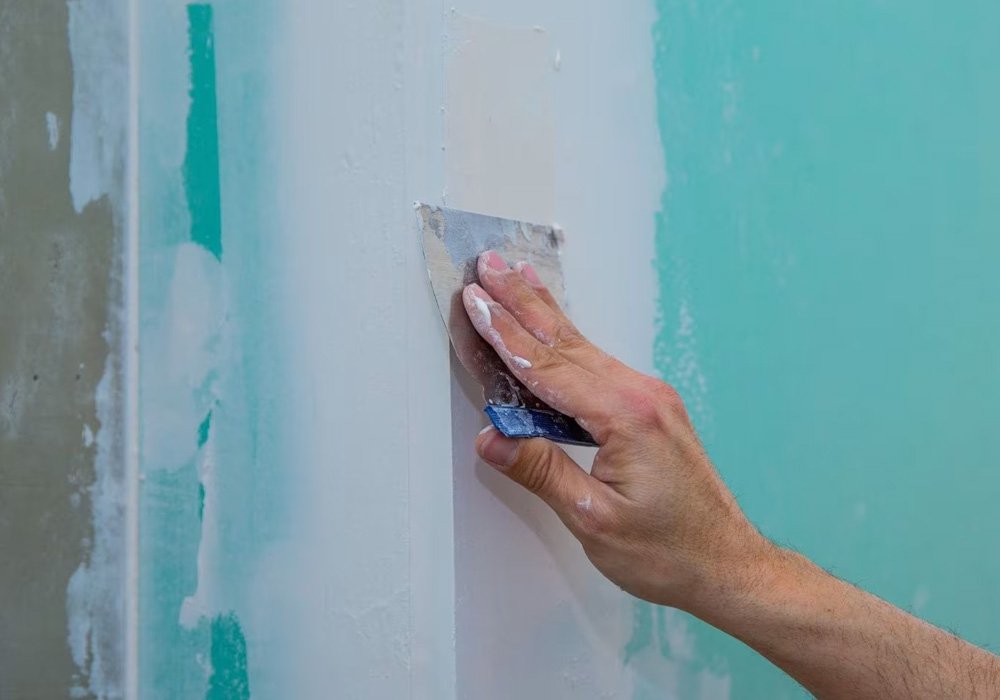
Some drywall damage results from installation methods rather than everyday household use. Improper fastening or finishing sometimes becomes visible months after construction is complete. Drywall seams and fasteners often reveal these problems as materials expand and contract with seasonal temperature changes. Professional repair teams restore a smooth wall surface before repainting.
Nail pops develop when drywall fasteners loosen and push against the finished surface. Tape failure can create raised seams that become more noticeable under natural lighting. After damaged areas are repaired, surface preparation helps create an even finish before primer and paint are applied. Proper repairs restore a consistent appearance across the entire wall.
Everyday Wear
Everyday wear is a common cause of interior drywall damage because walls are constantly exposed to accidental impacts. Over time, repeated contact from furniture and movement can leave behind:
- Marks
- Dents
- Scratches
- Surface imperfections
High-traffic areas, such as hallways and living spaces, often experience more visible signs of wear due to frequent use. These issues seem minor at first, but they can affect the condition and appearance of drywall surfaces if left unaddressed. Regular inspections and timely repairs help maintain strong, smooth walls while preventing small areas of damage from becoming larger problems. When repairs address small cracks, this limits the likelihood of full panel replacement later.
Schedule Drywall Repair
Professional drywall repair helps restore damaged walls while addressing the conditions that caused the problem. Moisture, impacts, structural movement, and installation issues all affect the appearance and strength of your interior walls. Identifying these problems early supports effective repairs and longer-lasting results. Contact a professional handyman today to schedule drywall repair for your home.