Key Takeaways
- Understanding the truth behind dental myths promotes better oral hygiene practices.
- Regular dental visits and proper care are essential for preventing dental issues.
- Debunking myths helps in making informed decisions about dental health.
When it comes to taking care of your teeth and gums, there is no shortage of advice – but not all of it is correct. Myths about dental health can be misleading and, if followed, even harmful. Understanding the reality behind these misconceptions can prevent long-term dental problems and unnecessary discomfort. Visiting the best dentist ensures that you get accurate information and professional care, rather than relying on outdated or incorrect guidance.
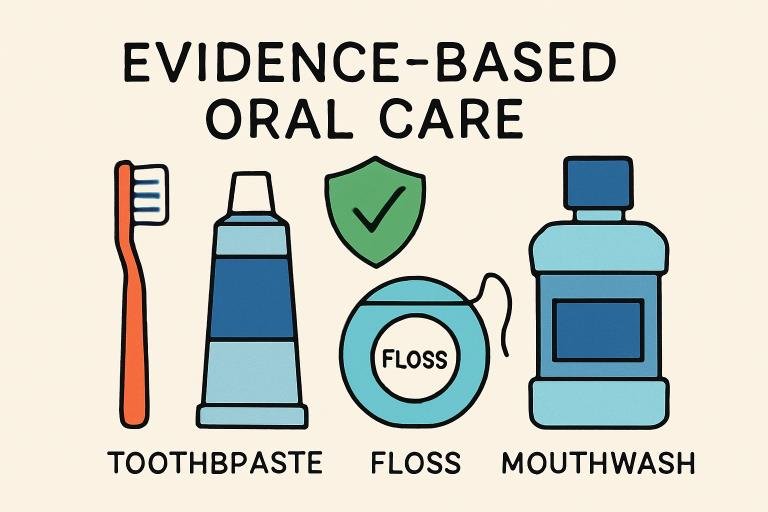
The importance of informed dental choices cannot be overstated—good oral hygiene results from consistent care and evidence-based habits. Listening to false claims may lead to damaging routines or neglecting crucial parts of your hygiene regimen. By debunking these myths, you are empowered to make better decisions for your oral and overall health.
Oral health contributes to your overall well-being. Untreated tooth or gum issues have been linked to systemic health risks like heart disease, diabetes, and even adverse pregnancy outcomes. Misconceptions about proper oral care can, therefore, have far-reaching effects beyond your smile. It is essential to know which “facts” are actually fiction for the sake of your mouth and your body.
Dentists and hygienists have long fought against dental misinformation. Seeking care from experienced professionals helps you filter out the noise and focus on what matters for your health. Having the correct information can prevent routine oral care from becoming a source of stress or confusion in your daily life.
Myth 1: Sugar Is the Sole Cause of Cavities
Sugar often takes the blame as the main culprit behind tooth decay, but it is not the only cause, as bacteria in your mouth break down carbohydrates and produce acids. These acids gradually wear away the protective enamel, leading to decay over time. This means that it is not just candy or soda – foods like bread, pasta, and fruit can also contribute to cavities when consumed without proper oral hygiene. Consistently brushing, flossing, and visiting your dentist helps reduce your risk regardless of the types of carbohydrates you eat. Learn more about sugar and oral health from Colgate.
Myth 2: Brushing Harder Cleans Teeth Better
Many people think that vigorous brushing will make their teeth cleaner and whiter. In reality, brushing too hard can erode enamel, leading to tooth sensitivity and even gum recession. Properly designed, soft-bristle toothbrushes with gentle, circular brushing motions are most effective in removing plaque without causing damage. Sticking to a proper brushing technique not only protects your teeth but also ensures you reach tough-to-clean areas without irritation. If you are unsure if you are brushing correctly, ask your dental hygienist for a demonstration at your next appointment. Harvard Health provides guidance on proper brushing techniques.
Myth 3: You Should Brush Immediately After Eating
While it seems logical to clean your teeth right after a meal, this can be harmful if you have just consumed acidic foods and drinks such as citrus fruits, tomato sauce, or soda. Brushing immediately can spread the acid and further weaken your enamel. To avoid this, wait at least 30 minutes after eating. During this time, your saliva naturally neutralizes acids and helps to re-harden the enamel before you brush. This approach protects your teeth from unnecessary wear. The Mayo Clinic offers advice on when to brush your teeth.
Myth 4: White Teeth Are Always Healthy
Bright white teeth are often associated with health and perfection, but appearances can be deceiving. Teeth can look white and still have hidden problems such as cavities, gum disease, or enamel erosion. Similarly, naturally darker teeth can be perfectly healthy if their structure and gums are intact. Chemical whitening treatments may make teeth look better, but they do not address underlying issues. Only a dental professional can accurately assess your true oral health through regular and X-rays.
Myth 5: Flossing Isn’t Necessary
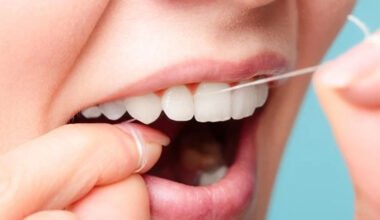
Brushing alone cannot remove plaque and food debris stuck between teeth. Flossing is the most effective way to clean hard-to-reach areas, helping reduce the risk of gum disease and cavities between teeth. The American Dental Association recommends flossing at least once a day for optimal oral health. Skipping this step in your daily routine can lead to problems that regular brushing cannot prevent. Make flossing a daily habit to keep your mouth as clean as possible. The National Institute of Dental and Craniofacial Research provides flossing tips.
Myth 6: Bleeding Gums Are Normal
Some people ignore bleeding when brushing or flossing, assuming it is a normal reaction. However, bleeding is usually an early sign of gum inflammation (gingivitis) or even gum disease. It is often caused by plaque buildup along the gumline. If your gums bleed regularly, you should see your dentist for an evaluation and tailored oral care recommendations. Early intervention can reverse gingivitis and prevent more serious progression. AARP discusses the importance of addressing bleeding gums.
Myth 7: You Only Need to See a Dentist If You Have a Problem
Delaying dental appointments until you have pain or other symptoms increases the chance of needing more intensive and costly treatments. Preventive care, including regular check-ups and professional cleanings, helps catch issues early when they are easier and less expensive to treat. Routine dental visits are important even if you feel fine or are not experiencing obvious symptoms. Prevention is always better than cure in oral health care. The Indiana Department of Health emphasizes the importance of regular dental visits.
Myth 8: Chewing Gum Can Replace Brushing
Chewing gum – especially the sugar-free kind – can help stimulate saliva, which washes away food particles and acids. However, gum cannot replace brushing and flossing. Brushing physically removes plaque and food debris from tooth surfaces, while flossing cleans between teeth. Although gum may have a temporary cleaning effect, it should be considered a supplement, not a substitute, for traditional oral hygiene routines. If you choose gum, opt for xylitol-containing varieties, as they help fight oral bacteria without feeding them. DentaQuest explains the role of chewing gum in oral hygiene.
By addressing these common myths and following evidence-based practices, you can maintain excellent oral hygiene and set yourself up for long-term dental health. When in doubt, check with your dentist to ensure your mouth receives the best care possible.