Property developers want to save money. This is a well-known fact.
The competition in the real estate market is tough. In fact, the truth is… choosing the right home build equipment can save the entire project.
The issue is the following:
Construction expenses now account for 64.4% of the average home price according to the National Association of Home Builders. It is a historical high. Every dollar that is spent on tools should be considered properly.
However, the good news is that:
Smart property developers are learning how to access quality equipment without spending all their money. This guide will show you how to do it.
What You’ll Find in this Guide
- Why Equipment Costs are Rising
- Renting vs. Buying Equipment
- The Essential Equipment for Home Builds
- Strategies to Lower Equipment Costs
Why Equipment Costs are Rising
Equipment expenses have been on the rise for the last few years.
In fact, industry data shows that construction machinery prices rose 8.8% in 2023 alone. It is on top of previous years’ price increases. For property developers who work on the thin margins this is a big problem.
The following is the reason why:
Supply chain issues still haven’t returned to normal after the pandemic. Manufacturers haven’t caught up. And inflation has driven the cost of raw materials through the roof.
In addition to this, the lack of workers is also at play. The construction industry needs hundreds of thousands of new recruits just to satisfy the current demand. The less workforce that there is, the more property developers will have to focus on using machinery to finish their projects.
For those who are looking to expand their budget, finding reliable tools for building a home at reasonable prices has become a necessity. Fortunately, the good news is that there are smart ways to approach it.
Renting vs. Buying Equipment
This is the part where most property developers go wrong.
They often think that buying the equipment in full is the best long-term investment. It is not true. In fact, rental models are becoming more and more attractive for a number of different reasons.
The following is why renting is often a better approach:
- Low upfront costs. A single excavator can cost hundreds of thousands of dollars when you buy it. Renting the same machine for the duration of the project will cost only a fraction of it.
- No need to maintain or repair. When the equipment breaks down on a job site, it is the problem of the rental company. In addition to that, property developers can focus on what they do best, which is building homes.
- Access to the latest technology. Rental fleets are often updated, which means that developers have access to the newest equipment without having to pay the full price.
- In addition to this, different projects often require different machinery and equipment. Renting them allows developers to increase or decrease the equipment pool based on the needs of the project.
The global construction equipment rental market is over $120 billion. And the growth of this industry isn’t accidental. Smart developers are realizing that owning isn’t always the right answer.
However, it doesn’t mean that buying is a useless strategy…
In fact, for the equipment that is used daily across multiple projects, it makes sense to purchase it. The only thing that matters is to know which equipment should be bought and which should be rented.
The Essential Equipment for Home Builds
The thing is that not all of the equipment is equal.
Some of the machinery is absolutely essential for home building projects, and some are the nice-to-have items that could be rented out on a regular basis.
The following are the things that property developers should always prioritize:
Earthmoving Equipment
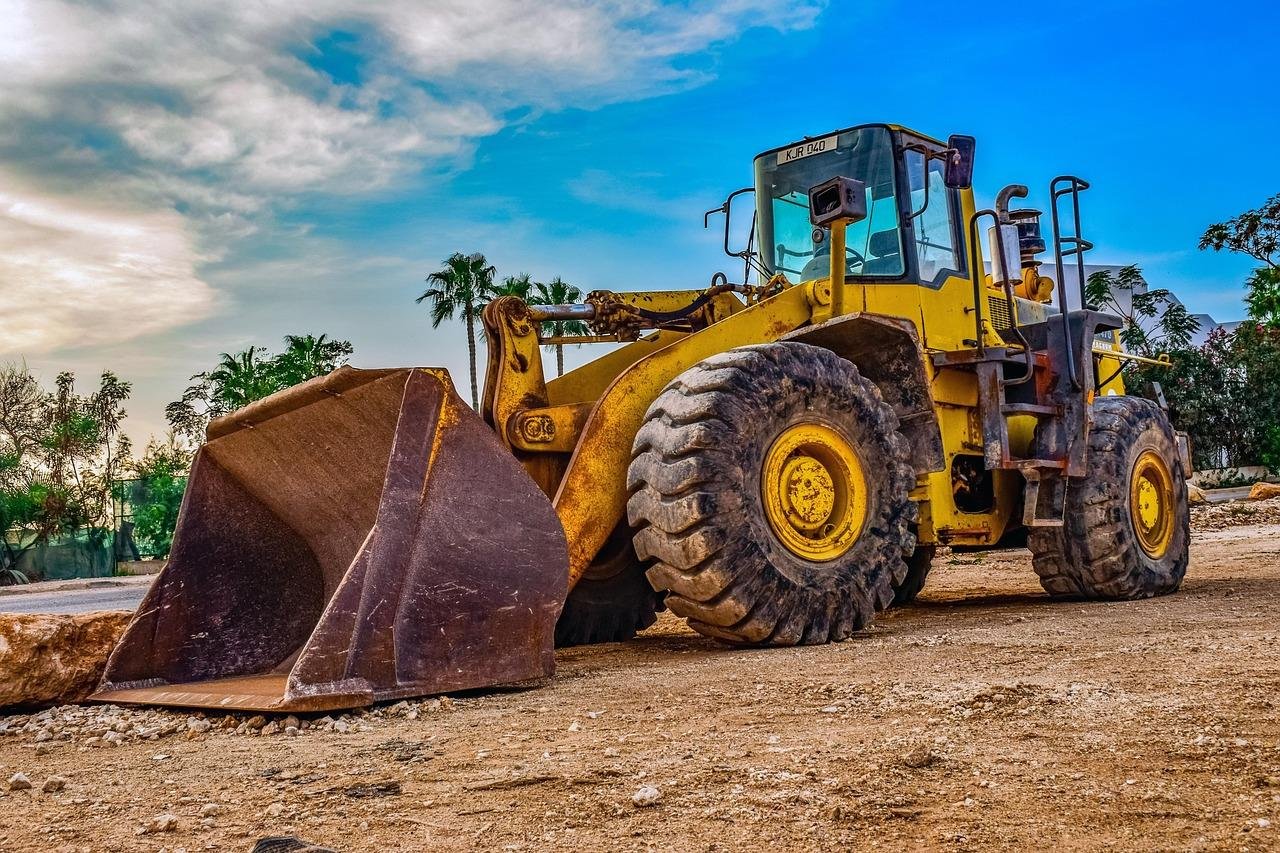
Earthmoving equipment is the one that is the base of any construction project. The excavators, bulldozers, and backhoe loaders are used for site preparation, digging foundations, and grading.
Earthmoving machinery accounts for the largest share of the rental market since these machines are too expensive to be purchased by most developers. In addition to that, they are critical for every project.
Material Handling Equipment
Forklifts, cranes, and telehandlers allow you to move the materials around job sites more efficiently. Without these machines, the projects will start to slow down dramatically.
For smaller residential builds, a telehandler is likely all that a developer will need. Larger builds will require multiple pieces of material handling equipment to work simultaneously.
Concrete Equipment
Mixers, pumps, and vibrators are used for the foundation work. In fact, the quality of concrete work entirely depends on the availability of the right equipment.
Buying the concrete equipment is something that most developers would rather avoid. The reason for this is quite simple – concrete work is performed only at the specific stages of construction, and not on a constant basis.
Power Tools and Compaction Equipment
Compactors, generators, and power tools are the final group of essential equipment for home building projects. These smaller items are often underappreciated and can slow down the entire project considerably if there are not enough of them.
Strategies to Lower Equipment Costs
This is where it all starts to get interesting…
Property developers who consistently finish their projects under budget are not just lucky. Instead, they use a range of proven strategies to ensure that equipment costs stay down.
- Building a relationship with the rental companies. This is the first and foremost strategy that the most successful property developers follow. Long-term partnerships allow these companies to get the best deals. Rental companies love their regular customers and are more likely to negotiate the pricing if there is a chance for long-term cooperation.
- Plan equipment needs in advance. Equipment that is rented last minute always costs more. This is why property developers who plan their equipment schedule weeks or even months in advance are more likely to get a better deal.
- Buying used equipment. In the cases where the equipment will see a lot of use across multiple projects, buying it used is a perfect way to cut the costs in half. The only thing to keep in mind is to also factor in the additional maintenance costs that will come with the used machinery.
- Sharing the equipment between projects. Developers who are working on several sites at the same time can always move the equipment from one site to the other rather than renting out new duplicates for each location.
- Proper maintenance. For the owned equipment, regular maintenance will significantly prolong its lifespan and help to avoid expensive breakdowns. A properly maintained machine will also retain its value better in the resale.
- Right-sized equipment. Bigger does not always mean better. Using the appropriately-sized equipment for each task will allow developers to save on fuel costs and rental fees.
- Tracking equipment utilization. By understanding exactly how much each piece of equipment is utilized, it becomes a lot easier to identify and eliminate the waste. If a piece of machinery is sitting idle most of the time, it is likely not worth owning.
Tying It All Together
Cost-effective equipment management is not about cutting the corners. At the same time, it definitely isn’t about the reduction in quality.
Instead, it is about making smart decisions. Knowing when to rent and when to buy. Understanding which equipment is essential and which one can be rented. Setting up the systems that track the utilization of each piece of equipment and reduce waste.
Property developers who are the ones who have managed to master all of these principles have a clear competitive advantage over the rest. They finish their projects faster, they spend less money on it, and they have better profit margins.
The real estate market always rewards those who are efficient, and efficiency starts with how the equipment is sourced, used, and managed.
Start with an audit of current equipment costs, look at the machines that are owned and those that are rented, check for the underutilised assets, and then make the necessary changes based on the data, and not the assumptions.
This is how the most successful property developers approach the equipment costs. It works every single time.