Defining the Modern Aesthetic in 2026
As we navigate through 2026, the concept of a “modern living space” continues to evolve, yet its core tenets remain steadfast. Historically, modern design emerged in the early 20th century, a radical departure from the ornate and heavily decorated styles of previous eras. It was a response to industrialization and a desire for functionality, simplicity, and accessibility. The guiding principle, “form follows function,” championed by pioneers like Louis Sullivan, dictates that the shape and structure of an object or building should primarily relate to its intended purpose. This philosophy stripped away unnecessary embellishments, focusing instead on clean lines, geometric shapes, and an uncluttered aesthetic.
Minimalism, a direct descendant of modernism, plays a significant role in defining these spaces today. It’s not merely about sparse decor but about intentionality—each item serving a purpose, contributing to a sense of calm and order. This approach resonates deeply in our world, offering a sanctuary from visual noise. Indeed, minimalist and modern interior design trends are projected to grow at a Compound Annual Growth Rate (CAGR) of 5.8% through 2026, underscoring their enduring appeal.
While often used interchangeably, it’s crucial to distinguish modern from contemporary design. Modern refers to a specific historical period (roughly 1900s-1950s) with established characteristics, whereas contemporary is fluid, reflecting current trends and styles.
| Feature | Modern Style (2026 Interpretation) | Contemporary Style (2026 Interpretation) |
|---|---|---|
| Origin | Early 20th Century (historical movement) | The “now” (ever-evolving) |
| Lines | Clean, straight, geometric | Can be curved, fluid, or angular, reflecting current trends |
| Color Palette | Neutral (whites, grays, blacks, earthy tones) with occasional bold accents | Varies widely, often incorporating trending colors; can be vibrant |
| Materials | Natural woods, metal, glass, concrete, leather | Can include natural materials but also synthetics and new technologies |
| Ornamentation | Minimal to none; “form follows function” | Can incorporate decorative elements, but often with a minimalist bent |
| Feel | Orderly, functional, serene, timeless | Current, dynamic, sometimes experimental |
Essential Elements of Modern Living Spaces
Creating a modern aesthetic that still feels warm and inviting in 2026 involves a thoughtful selection of materials, colors, and textures. We prioritize natural and authentic elements that age gracefully and offer tactile appeal.
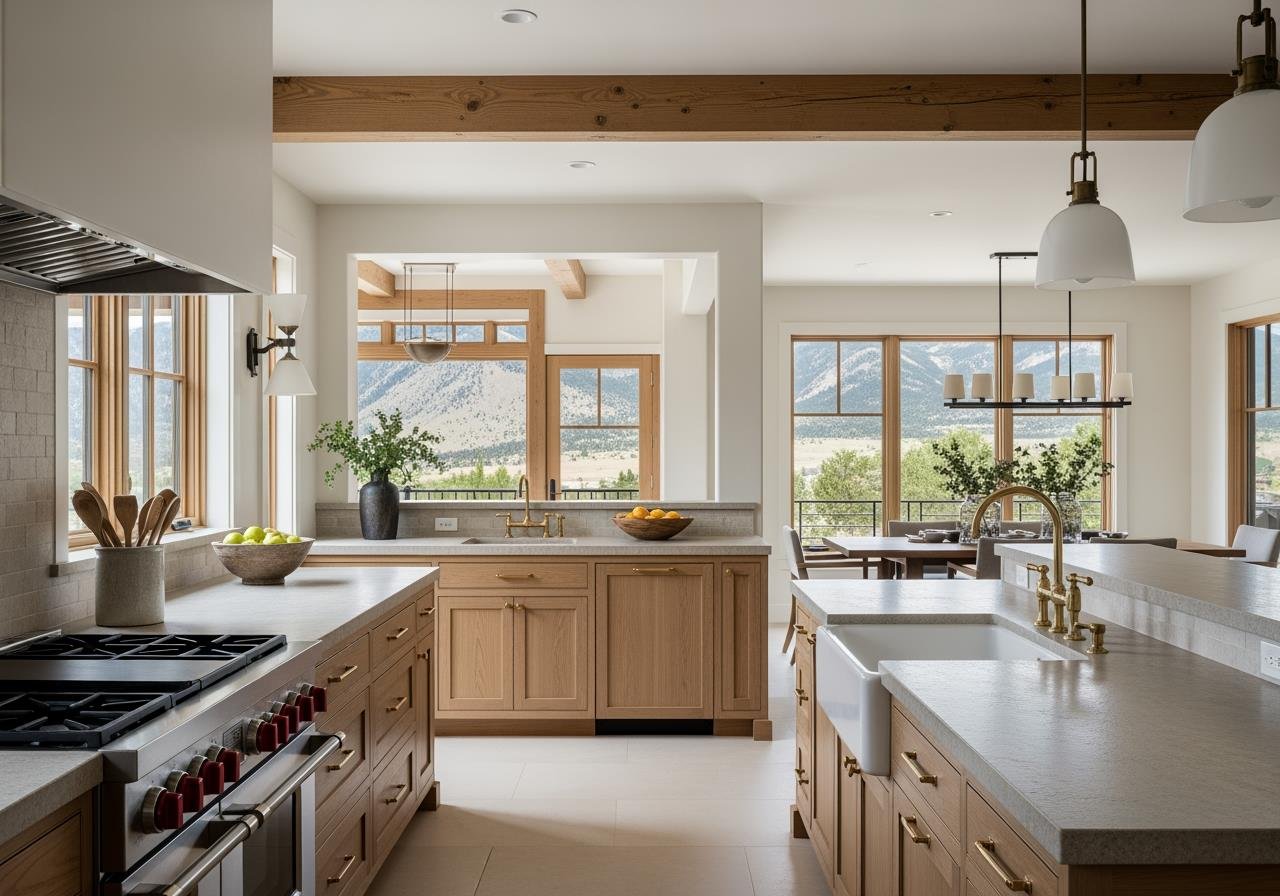
- Natural Wood:From light-grained oak to rich walnut, natural wood veneers and solid pieces bring organic warmth and texture. They can be found in flooring, cabinetry, furniture, and even wall accents, grounding the space.
- Matte Metal:Matte black, brushed brass, or muted bronze metals are favored over shiny chrome. These finishes offer a sophisticated, understated elegance, appearing in lighting fixtures, hardware, and furniture frames.
- Cement Flooring:Polished concrete or cement-finish tiles provide a sleek, industrial touch that is durable and easy to maintain. When paired with soft rugs, they contribute to a balanced aesthetic.
- Organic Textures:Beyond wood, we incorporate other organic textures like linen, wool, leather, and even natural plasters (such as Marmorino) on walls and ceilings. These materials absorb light beautifully, adding depth and softness, preventing the space from feeling sterile.
- Warm Neutrals:The foundation of a modern palette is typically a range of warm neutrals—off-whites, soft grays, and earthy beiges. These create a calm, cohesive backdrop, allowing natural light to play a significant role in shaping the room’s mood.
- Mushroom Tones:A subtle yet impactful trend, mushroom tones—a blend of beige, gray, and taupe—offer a sophisticated, monochromatic calm. These hues are incredibly versatile, providing a serene backdrop that allows other elements, like art, to pop.
By layering these elements, we achieve a modern living space that is not only visually clean and functional but also rich in comfort and inviting warmth.
Designing Open-Concept Modern Living Spaces
Open-concept living spaces are not just a trend but a fundamental aspect of modern home design, consistently ranking among the top requested features, with 75% of buyers preferring layouts that combine kitchen, dining, and living areas. This approach fosters spatial fluidity and encourages interaction, making homes feel larger and more connected.
However, the challenge lies in creating harmonious transitions between these zones without sacrificing individual function or feeling sterile. We achieve this through several strategies:
- Spatial Continuity:Maintaining a consistent material palette and flooring across the entire open area helps to visually link the spaces. For instance, using the same natural wood flooring from the kitchen through to the living room creates an uninterrupted flow.
- Furniture Islands:Instead of walls, we use strategically placed furniture groupings to define functional zones. An oversized sofa can subtly delineate the living area, while a large dining table acts as a natural anchor for meals and gatherings. Swivel chairs offer flexibility, allowing easy conversation between different zones.
- Natural Light:Maximizing natural light is paramount. Large windows, glass doors, and even skylights ensure that light permeates unobstructed spaces, creating an airy and expansive atmosphere. This also ties into biophilic design principles, bringing the outside in.
In urban centers like Denver, where space can be at a premium, open-concept designs are particularly effective. For those exploring Denver modern living design, integrating these principles can transform a compact apartment into a dynamic and inviting home. We also see a growing integration of biophilic elements and smart-home features into these layouts. Over 60% of new residential projects in urban areas now incorporate biophilic and sustainable design elements. This means bringing nature indoors through living walls, indoor plants, and natural materials, enhancing well-being. Smart-home technology, from integrated lighting and climate control to automated blinds, seamlessly blends into the minimalist aesthetic, offering convenience without clutter.
Adapting Modern Living Spaces for Different Lifestyles
Modern living spaces are inherently adaptable, designed to cater to diverse needs and lifestyles. This flexibility is key to their enduring appeal.
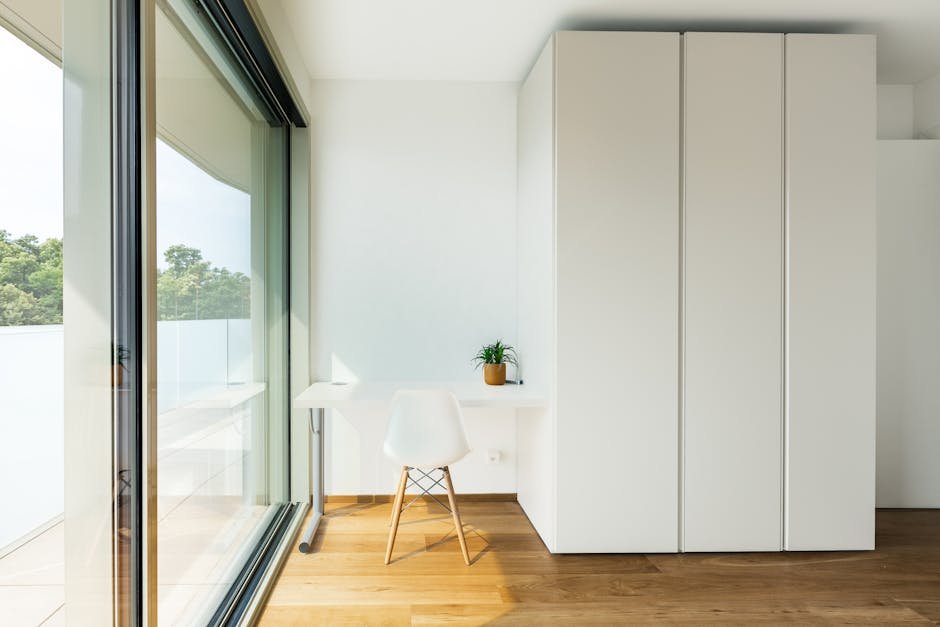
- Remote Work:With the rise of remote work, dedicated or adaptable home office spaces are crucial. In an open-concept layout, a dining area can transform into a home office during the day, or a discreet “nook” can be carved out, perhaps with a custom built-in desk that blends seamlessly with the surrounding decor. Acoustic panels can be integrated into walls or ceilings to mitigate sound in shared spaces.
- Family-Friendly:For families with children, modern design can be surprisingly practical. We focus on durable, easy-to-clean materials, rounded edges on furniture, and integrated storage to minimize clutter. Floating furniture pieces and softer transitions reduce visual heaviness while maintaining functionality. Children’s rooms can integrate with the overall material story through playful yet cohesive elements, like a botanical mural and custom toddler-friendly furniture with cushioned edges.
- Downsizing:Downsizing doesn’t mean sacrificing style or comfort; rather, it’s an opportunity for refinement. In smaller footprints, every square inch counts. We employ multi-functional furniture, clever storage solutions, and a streamlined aesthetic to create a sense of spaciousness and emotional ease. The goal is to curate a space that feels immersive and rich, even with less square footage.
- Multi-Use Zones:Modern spaces excel at serving multiple functions. A living room might double as a yoga studio, or a guest bedroom could also function as a creative studio. This requires furniture that is easily movable or convertible, and design choices that allow for quick transitions between activities.
By thoughtfully considering the occupants’ lifestyles, we ensure that modern living spaces are not just beautiful but also highly functional and supportive of everyday life.
A Checklist for Functional and Minimalist Interiors
Achieving a minimalist yet functional interior requires a deliberate approach to space planning and selection. Our goal is to create environments that feel uncluttered and serene without sacrificing utility.
Here’s a checklist for crafting such spaces:
- Zoning Techniques for Open Layouts:Rugs:Use area rugs to visually delineate different functional zones within an open space (e.g., a rug under the sofa for the living area, another under the dining table).
- Furniture Placement:Arrange furniture to create “islands” or conversation areas, subtly guiding traffic flow without physical barriers.
- Lighting:Employ different lighting types (pendant, floor, accent) to highlight specific zones and create varied ambiances.
- Level Changes:In some designs, subtle changes in floor level can psychologically separate areas while maintaining visual connection.
- Floating Furniture:Opt for furniture pieces with legs or that are wall-mounted to create a sense of lightness and openness, making rooms appear larger and easier to clean.
- Vertical Storage:Maximize storage by utilizing vertical space. Built-in shelving, floor-to-ceiling cabinets, and wall-mounted units keep clutter out of sight and maintain clean lines.
- Rice Paper Screens:Inspired by Japanese shoji panels, these translucent screens can serve as flexible room dividers, diffusing light and offering privacy without blocking the flow of a room. They are particularly effective in smaller urban apartments, as seen in innovative designs that transform compact footprints into fluid, tactile environments.
- Curated Clutter:While minimalism advocates for stripping away frills, a truly lived-in space benefits from personality. We encourage “curated clutter”—a few carefully selected personal items, art pieces, or books—that add character without overwhelming the aesthetic.
Lighting and Ambiance Strategies
Lighting is a powerful tool in modern design, capable of defining mood, highlighting architectural features, and enhancing functionality. We view lighting not just as illumination but as an integral part of the aesthetic.
- Pendant Lights:Modern pendant lights, often sculptural in form, serve as focal points over kitchen islands, dining tables, or in entryways. Sales of modern lighting fixtures, such as pendant and chandelier lights, have increased by over 30% in the past year, reflecting their popularity.
- Sculptural Chandeliers:Far from traditional, modern chandeliers are often minimalist art pieces, using geometric shapes or innovative materials to cast interesting light patterns and add visual drama.
- Circadian Lighting:Integrating smart lighting systems that mimic natural light cycles can significantly enhance well-being, especially in spaces with limited natural light. These systems adjust color temperature and brightness throughout the day, supporting natural circadian rhythms.
- Floor Lamps:Tall, slender floor lamps with clean lines provide ambient or task lighting, adding warmth and visual interest without taking up much floor space.
- Layered Illumination:The most effective modern lighting schemes employ multiple layers: ambient (general room lighting), task (for specific activities), and accent (to highlight art or architectural features). This layering allows for flexibility and control over the room’s atmosphere.
Integrating Art and Local Elements in Denver Homes
Modern living spaces, particularly in vibrant cities like Denver, offer a unique canvas for integrating art and local elements. This approach injects personality and a sense of place without disrupting the clean, minimalist aesthetic.
- Local Art and Denver Skyline Prints:We often advise clients to incorporate pieces from local artists or artwork that reflects the surrounding environment. Denver-themed artwork, city skyline prints, or photographs of iconic landmarks like the Denver Art Museum or Union Station can create a strong connection to the city’s urban charm. These pieces become focal points, adding color and narrative to neutral backdrops.
- Exposed Brick and Industrial Lofts:In many urban settings, especially in refurbished industrial buildings, exposed brick walls are a coveted feature. They add a sense of history and raw authenticity, providing a textured contrast to sleek modern finishes. This industrial chic aesthetic is particularly popular in Denver’s loft conversions, where it blends seamlessly with polished concrete floors and matte metal accents.
- Front Range Aesthetics:For homes nestled against the Colorado Front Range, integrating natural elements inspired by the landscape is key. This could mean using stone (like local sandstone or flagstone) for fireplaces or accent walls, incorporating timber beams, and selecting a color palette that mirrors the earthy tones of the mountains. Large, expansive windows are crucial here, framing the breathtaking views and making the natural landscape an integral part of the interior design. We’ve seen many examples of how developers like Duncan modern living spaces embrace this aesthetic, blending luxury with the natural beauty of Colorado.
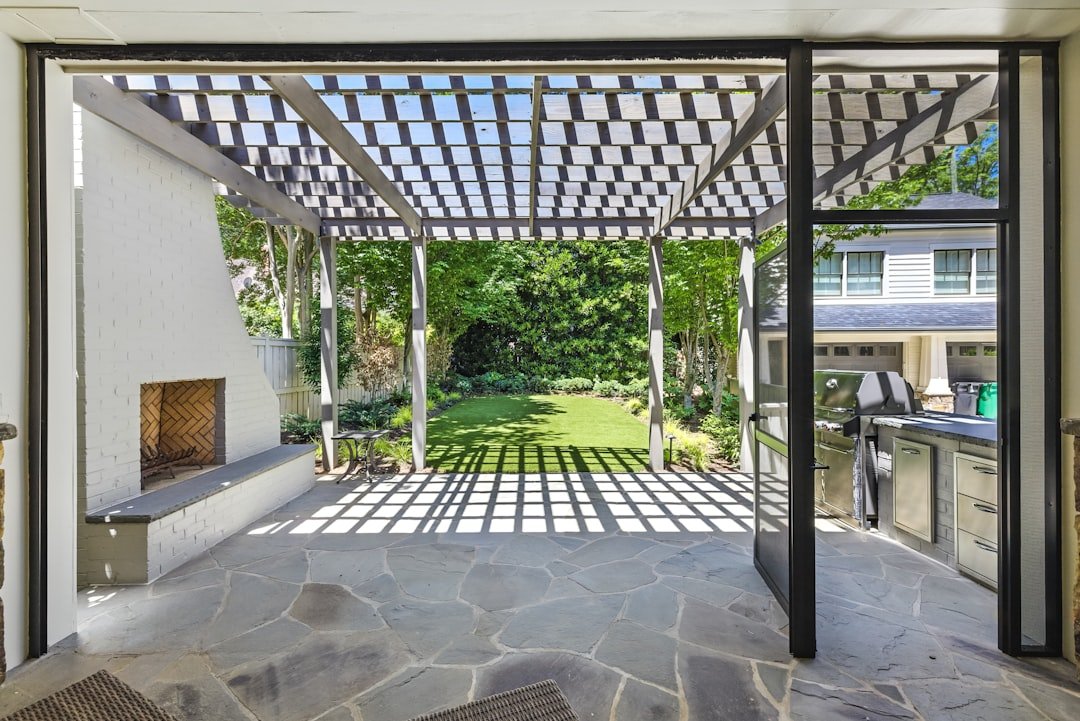
- Outdoor Elements:The connection to the outdoors is vital in modern design, especially in areas like Denver where outdoor living is cherished. Patios, decks, and balconies become extensions of the interior living space.
Outdoor elements like gas fireplaces and professional grills enhance these spaces, making them perfect for entertaining or quiet relaxation.
Choosing Built-in vs. Modular Solutions
When it comes to elements like grills, fireplaces, and storage, the choice between built-in, freestanding, or modular solutions depends on several factors: aesthetics, budget, flexibility, and the long-term vision for the space.
- Grills:Built-in:For a seamless, high-end look on a patio or outdoor kitchen, built-in gas grills offer a custom feel. They integrate perfectly with countertops and cabinetry, creating a cohesive design.
- Freestanding/Modular:For more flexibility or if space is limited, high-quality freestanding grills (including Kamado grills or pellet grills) provide excellent performance and can be moved or replaced more easily. Modular outdoor kitchen systems offer a middle ground, allowing for customization without permanent construction.
- Fireplaces:Built-in:A built-in gas fireplace, whether indoor or outdoor, creates a strong architectural statement. It becomes a permanent focal point, often clad in stone or a sleek, minimalist material.
- Freestanding/Modular:Modern freestanding fireplaces or fire pits offer versatility. They can be moved, and some modular designs allow for easy installation without extensive renovation.
- Storage:Built-in:Custom millwork provides the most integrated and tailored storage solutions. From floor-to-ceiling bookshelves to hidden cabinets and closet systems, built-ins maximize space and blend seamlessly with the interior architecture. Materials like walnut burl or specialized terrazzo finishes can elevate these solutions to true luxury.
- Freestanding/Modular:Freestanding storage units offer flexibility and can be moved if needs change. Modular systems, such as adaptable shelving units, allow for reconfigurations over time, making them ideal for multi-use spaces or evolving lifestyles.
The decision often comes down to the desired level of permanence and customization versus the need for adaptability and budget. In modern design, even freestanding elements are chosen for their clean lines and ability to complement the overall minimalist aesthetic, contributing to storage efficiency without visual clutter.
Frequently Asked Questions
We often receive questions about navigating the nuances of modern living spaces. Here are some of the most common inquiries:
How do modern living spaces differ from contemporary styles?
While both styles embrace clean lines and minimalism, modern design refers to a specific historical period (roughly 1900-1950s) characterized by a rejection of ornamentation and a focus on functionality, natural materials, and neutral palettes. Contemporary design, on the other hand, is ever-evolving. It reflects current trends, incorporating elements from various styles and often embracing bolder colors, new technologies, and more fluid forms. Modern is fixed; contemporary is fluid.
What are the best materials for maintaining warmth in a modern home?
To prevent a modern home from feeling cold or sterile, we emphasize natural and textural materials. Natural wood (oak, walnut), textured fabrics (wool, linen, velvet), leather, and organic plasters (like Marmorino) are excellent choices. These materials add visual depth and tactile comfort, absorbing light and creating a softer ambiance. Warm neutral color palettes, layered lighting, and strategic use of area rugs also contribute significantly to a cozy atmosphere.
How can I make a small urban apartment feel larger?
Making a small urban apartment feel more expansive involves several key strategies. Firstly, embrace open-concept layouts and minimize internal partitions. Secondly, use light, monochromatic color palettes on walls and ceilings to create a continuous flow. Thirdly, opt for floating or leggy furniture to keep floor space visible. Fourthly, maximize vertical storage with built-in or tall, slender units. Lastly, utilize mirrors to reflect light and create the illusion of depth, and consider flexible elements like rice paper screens for privacy without sacrificing openness.
Conclusion
Modern living spaces in 2026 are a testament to the enduring appeal of thoughtful design—a harmonious blend of aesthetic beauty, practical functionality, and emotional resonance. We’ve explored how these spaces are defined by clean lines, natural materials, and a commitment to “form follows function,” distinguishing them from the ever-changing landscape of contemporary trends. From the seamless integration of open-concept layouts to the subtle art of layering textures and light, every element is meticulously chosen to create environments that are both serene and highly adaptable.
Whether you’re crafting a family-friendly home, designing for remote work, or seeking the quiet luxury of downsizing, modern principles offer solutions that support diverse lifestyles. The integration of sustainability, biophilic elements, and smart-home technology ensures these spaces are not only beautiful but also forward-thinking and responsive to our planet’s needs.
In regions like Denver, we see a beautiful fusion of modern design with local charm, where natural materials, exposed brick, and expansive windows frame the majestic Front Range. The careful selection of built-in versus modular solutions for features like fireplaces and grills further refines these spaces, ensuring both efficiency and elegance. A modern living space is about creating emotional ease, embracing quiet luxury, and achieving a timeless appeal that promises sustainable longevity, perfectly capturing the sophisticated yet grounded spirit of urban charm.