Key Takeaways
- Resilience enables personal growth through adversity.
- Cultivating a growth mindset and supportive relationships is essential.
- Self-care and adaptability lay the foundation for weathering life’s storms.
Life presents a continuous series of obstacles and triumphs. The process of navigating these fluctuations often determines the extent of our growth and overall sense of well-being. Resilience, the ability to adapt, recover, and even thrive amidst adversity, serves as a powerful tool in transforming life’s difficulties into stepping stones toward personal development. In examining the qualities and habits that foster resilience, we discover the importance of developing supportive networks, self-care routines, and a constructive mindset. Practical strategies and expert perspectives abound for anyone looking to harness resilience as a lifelong asset. For a closer look at lessons learned on resilience, visit Jeff Previte for additional insights.
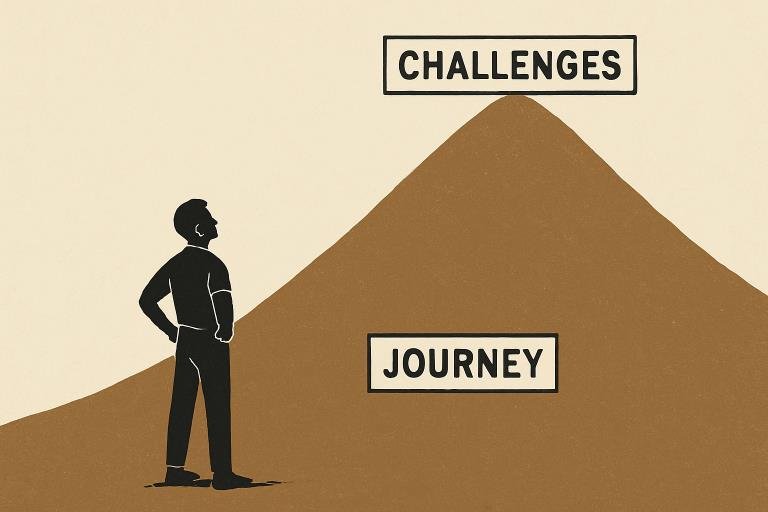
Building resilience involves confronting challenges directly and emerging stronger. Individuals who foster resilience manage stress effectively, embrace change, and maintain purpose amid adversity. Recognizing inner strengths and adopting adaptable practices enhances the ability to overcome setbacks, which can become valuable learning opportunities. Resilience is influenced by one’s mindset—beliefs about growth shape behavioral responses to difficulties. With conscious effort, social support, and self-care, resilience can be cultivated, transforming adversity into self-discovery and boosting confidence and optimism.
Understanding Resilience
At its core, resilience involves the capacity to rebound from setbacks, adapt to change, and move forward with intention. It is about turning difficulties into valuable lessons and using these experiences as a platform for further growth. In a world marked by unpredictability and constant change, resilience is indispensable not only for surviving but for flourishing. With every challenge, there is an opportunity to foster new skills and deepen our understanding of ourselves.
Developing resilience is not something that happens overnight. It is a continuous process of recognizing personal strengths, establishing realistic expectations, and learning how to manage emotions effectively. Many people who demonstrate high levels of resilience share a common thread: a positive, forward-thinking outlook that frames adversity as an opportunity to grow. Mental health professionals, including those at Mayo Clinic, emphasize the importance of self-awareness and proactive problem-solving in strengthening your ability to weather setbacks.
Developing a Growth Mindset
Embracing a growth mindset is vital to cultivating resilience. Individuals with a fixed mindset may view failure as a reflection of their inherent limitations, while a growth mindset views challenges as valuable feedback and an essential component of learning. Approaching setbacks with curiosity allows you to see them as temporary and manageable experiences rather than permanent roadblocks.
- See challenges and failures as learning opportunities.
- Value consistent effort and progress over perfection.
- Accept feedback as a tool for improvement.
- Draw inspiration from others’ journeys, rather than comparison.
Shifting to a growth mindset requires patience and self-compassion. Over time, these beliefs build resilience by reinforcing the perspective that change is achievable and that you are capable of overcoming difficulties.
Building Strong Social Connections
The presence of supportive social networks forms the bedrock of resilience. While inner resources are crucial, the emotional validation and practical assistance that come from relationships with friends, family, and community members cannot be understated. Expressing vulnerability, sharing experiences, and listening empathetically help to diminish the burden of adversity and foster a collective sense of hope and encouragement.
Proactively investing in your network before a crisis arises ensures that you have trustworthy connections when you most need them. Participation in groups, volunteer efforts, or even informal gatherings strengthens these bonds and often results in the reciprocal flow of support. Helping others during their trials, for instance, not only aids their recovery but also boosts your sense of purpose and capability.
Practicing Self-Care
Physical and mental wellness are at the core of resilience. Small, consistent habits such as regular exercise, maintaining a balanced diet, ensuring restful sleep, and finding daily moments for relaxation or mindfulness all contribute to your ability to manage stress. Self-care acts as a protective shield, buffering you from the full impact of life’s unpredictable challenges.
Overcoming Common Barriers
- Perfectionism: Aim for “good enough” rather than flawless execution; celebrate incremental progress.
- Rumination: Set aside a specific “worry time” each day, then consciously shift focus to productive tasks outside those moments.
- Comparison: Reduce time on social media and regularly acknowledge personal achievements through gratitude journaling.
- Isolation: Even minimal contact with others, such as a quick text or a brief walk, can be healing during tough times.
Tailoring your self-care rituals to your preferences rather than adopting a rigid regimen enhances sustainability. The emphasis is on prioritizing routines that recharge your mental, emotional, and physical health.
Embracing Change and Adaptability
Change is both inevitable and necessary. Developing adaptability means accepting uncertainty, reframing obstacles as opportunities for creative problem-solving, and nurturing optimism about future possibilities. This flexibility is essential for maintaining motivation and hope in the face of setbacks.
Consciously practicing gratitude, focusing on what can be influenced, and taking manageable steps forward, even when the whole path is unclear, all help build confidence when navigating change. Over time, these approaches develop into true adaptability, empowering you to thrive regardless of circumstances.
Maintaining a positive outlook does not mean ignoring life’s difficulties, but rather, it involves adopting a realistic optimism that supports your capacity for growth. Approaching obstacles directly helps you discover untapped potential and cultivates lifelong resilience.
Conclusion
Resilience is more than a reaction to adversity; it is a proactive, dynamic skill that grows with deliberate effort and mindful practice. By nurturing a resilient mindset, cultivating strong relationships, embracing self-care, and adapting to change, you build a durable foundation for facing whatever life brings. Overcoming challenges becomes less a matter of endurance and more an opportunity for meaningful transformation.