Luxury in real estate no longer revolves solely around size, rare materials, or prestigious addresses. Today’s buyers expect homes to reflect how they actually live. They want flexible spaces, natural light, integrated technology, and thoughtful layouts that support both productivity and relaxation. In competitive markets across California, where architectural standards remain high, homeowners recognize that strong design directly influences long-term property value.
Affluent buyers and investors are also more informed than ever. They evaluate building performance, energy efficiency, and construction quality before making decisions. They seek homes that feel intentional rather than excessive. A dramatic entry or imported finishes alone no longer define luxury. Instead, buyers prioritize properties that combine structural integrity with refined aesthetics and seamless functionality. These rising expectations have reshaped the role of architects and developers.
Architectural Complexity: The Foundation of Modern Luxury
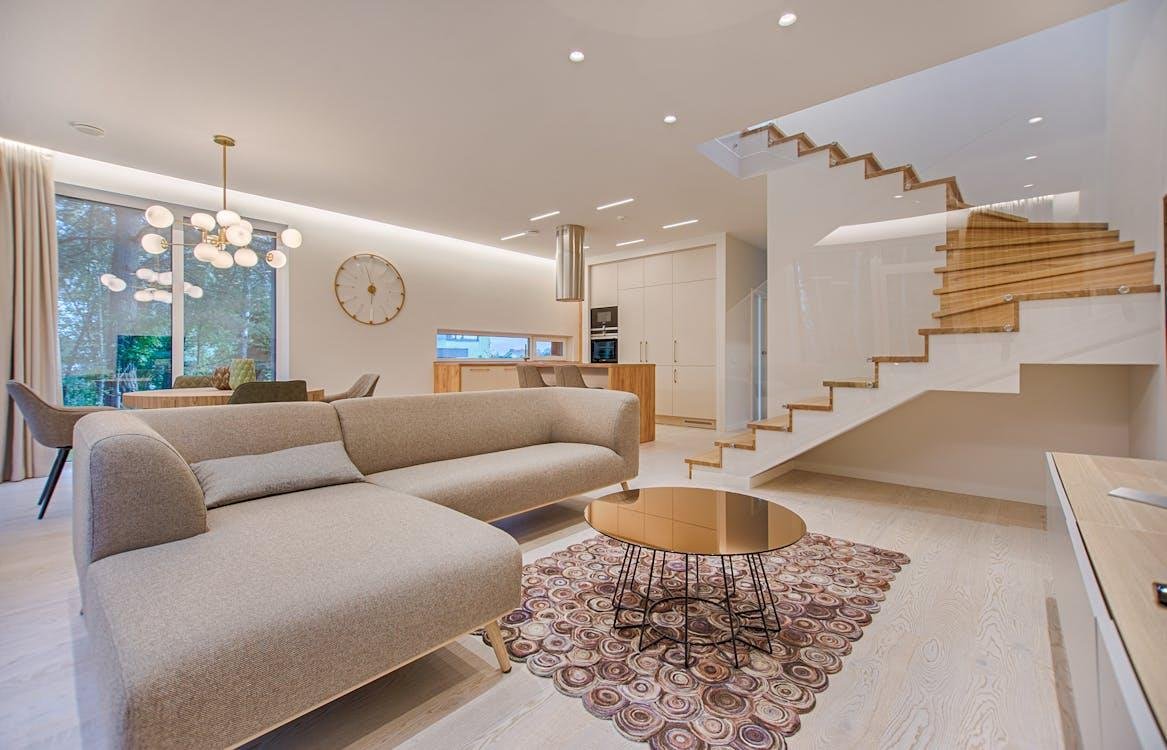
Modern luxury homes require more than aesthetic direction. They demand rigorous planning, advanced engineering, and close coordination between architects, structural consultants, and builders. Large spans of glass, floating staircases, and open-concept interiors may look effortless at first glance. In reality, each feature depends on precise structural calculations and fully integrated mechanical systems.
As buyer expectations continue to evolve, performance and longevity have become just as important as visual impact. Homeowners want spaces that maintain their integrity over time while delivering comfort and efficiency every day. Meeting this standard requires innovative residential architecture that unites bold design thinking with structural precision.
Biophilic Design and Seamless Indoor–Outdoor Living
Luxury homeowners increasingly seek a stronger connection to nature within their living environments. Designers respond by maximizing natural light, cross-ventilation, and views through expansive glazing and carefully positioned openings. Courtyards, terraces, and landscaped patios become extensions of interior living areas rather than afterthoughts.
Retractable glass walls and flush thresholds allow indoor and outdoor spaces to function as one continuous environment. This integration expands usable square footage while improving comfort and well-being. Access to daylight and greenery supports mental clarity and relaxation, which makes biophilic design both a lifestyle enhancement and a strategic investment in long-term property appeal.
Smart Home Integration and the Rise of Invisible Technology
Technology now plays a central role in defining modern luxury. Advanced systems manage lighting, climate, security, and entertainment through centralized platforms that homeowners can control remotely. These systems enhance convenience while improving energy efficiency and security.
At the same time, designers prioritize discretion. Speakers, wiring, and control panels are concealed within walls, ceilings, and millwork to maintain clean architectural lines. This “invisible” integration ensures that technology supports the home’s experience without dominating its aesthetic. The result feels intuitive and refined rather than mechanical.
Sustainable Luxury: High-End Materials with Low Environmental Impact
Sustainability now sits at the center of high-end residential design. Luxury buyers want homes that look refined but also perform responsibly. Architects respond by specifying materials such as reclaimed wood, responsibly sourced stone, and low-carbon concrete. These choices reduce environmental impact without sacrificing texture, durability, or visual appeal.
Energy performance matters just as much as material selection. High-performance glazing, advanced insulation systems, and solar integration reduce long-term operating costs while improving comfort. Orientation and passive design strategies further enhance efficiency. When sustainability is embedded at the design stage, it strengthens both resale value and day-to-day livability.
Wellness-Centric Spaces: Designing for Physical and Mental Well-Being
Health-focused amenities have become standard in modern luxury homes. Buyers increasingly request dedicated spaces for fitness, recovery, and relaxation. Home gyms now feature professional-grade equipment, while spa-style bathrooms incorporate steam showers, soaking tubs, and infrared saunas. These additions support routines that once required private clubs or wellness retreats.
Designers also address less visible aspects of well-being. Circadian lighting systems adjust throughout the day to support natural sleep cycles. Advanced air purification improves indoor air quality, especially in urban or wildfire-prone regions. When wellness is built into the architectural plan, the home actively supports better physical and mental health.
Customization vs. Spec: Why Bespoke Layouts Are the New Gold Standard
Speculative luxury homes once dominated high-end markets, offering polished finishes and safe layouts. Today’s buyers, however, expect spaces tailored to their specific lifestyles. Custom homes allow owners to shape everything from room proportions to circulation flow. They can also plan for future needs, whether that means multigenerational living, dedicated workspaces, or specialized hobby areas. This level of involvement ensures the home supports daily routines rather than forcing adaptation.
Bespoke design also creates distinction in competitive markets. Personalized floor plans, curated material palettes, and unique architectural details set a property apart from standardized builds. Owners gain greater control over quality and craftsmanship throughout the process. Customization requires more collaboration and time, but it delivers exclusivity and long-term satisfaction that speculative development rarely achieves.
Structural Boldness: Glass, Steel, and Cantilevered Forms
Contemporary luxury architecture increasingly embraces structural ambition. Expansive glass walls frame panoramic views while allowing natural light to penetrate deep into interiors. Steel frameworks enable open spans and eliminate unnecessary columns. Advanced engineering techniques now make it possible to combine transparency with strength in ways that were once difficult to achieve. These structural decisions create interiors that feel expansive and visually connected.
Cantilevered forms and floating elements add another layer of complexity. They demand precise engineering and careful material selection to ensure safety and durability. Every dramatic projection must be carefully calculated to maintain long-term structural integrity. When executed correctly, these bold gestures elevate a home beyond conventional design. They demonstrate technical mastery while redefining what residential space can look and feel like.
A More Intentional Standard of Luxury
The most compelling luxury homes today share a common thread. They integrate sustainability, wellness, advanced technology, customization, and structural clarity into a cohesive vision. Each innovation serves a practical purpose while elevating everyday experience. Together, these elements create residences that feel both refined and highly functional.
High-end real estate is no longer defined by ornament or excess. It is shaped by thoughtful decisions that enhance comfort, efficiency, and long-term value. Buyers increasingly recognize that true luxury lies in performance as much as appearance. The future of luxury living belongs to homeowners who prioritize intention, performance, and architectural integrity in equal measure.