Art is more than creativity. It is expression, reflection, and connection. When words feel too limited to describe inner experiences, art steps in as a language of emotion. It allows people to explore feelings that are difficult to express, such as grief, anxiety, hope, or healing. In doing so, art becomes a meaningful voice for mental well-being.
Why Art Speaks When Words Do Not
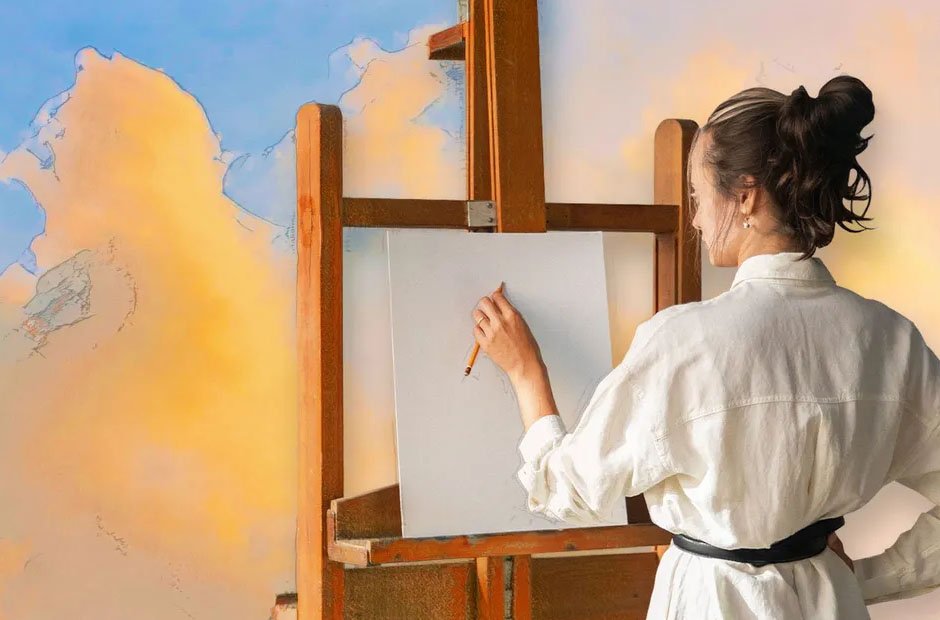
Mental well-being is shaped by how you understand and express your emotions. Yet many people struggle to put their feelings into words. Painting, writing, music, dance, and photography help translate what the mind feels into something visible or tangible. Creating art becomes a way to release emotional tension, gain clarity, and reconnect with oneself.
Colors, shapes, rhythm, and movement often reflect emotions more honestly than spoken sentences. Art gives form to what is felt on the inside and helps individuals recognise, process, and accept their emotions in a safe and controlled way.
Art as a Supportive Healing Practice
Art-based activities are not just about distraction. They can provide structure, peace, and emotional release. For people experiencing stress, trauma, or loss, creative work offers a gentle and nonjudgmental space to process difficult experiences.
The act of creating art can help people:
- Reduce anxiety and stress
- Build emotional resilience
- Gain a sense of achievement
- Experience calm and mindfulness
- Reflect on personal experiences
Art also helps individuals reconnect with identity, purpose, and meaning, which are essential parts of emotional recovery.
When Art and Professional Support Come Together
While self-expression through art is powerful, some emotional struggles require deeper and more structured support. When anxiety, depression, addiction, or trauma begin affecting daily life, professional help is often needed. In those cases, art can be a supportive part of a broader treatment journey.
A trusted rehab center can offer professional care that includes emotional guidance, therapy, and healing activities. In such environments, art can enhance treatment by helping individuals express emotions, work through past experiences, and build healthier coping strategies in a safe and guided setting.
Art is not meant to replace therapy. It is meant to enrich it. It provides a voice when talking feels too difficult, and it supports healing when emotions feel too heavy to carry alone.
Art, Community, and Connection
Art also brings people together. Group workshops, creative circles, and community projects help individuals feel less alone. In shared creative spaces, people can express themselves, listen to others, and build empathy. This sense of connection is vital for emotional well-being, especially for those who may feel isolated in their struggles.
Seeing one’s story reflected in someone else’s art can be deeply comforting. It reminds people that they are not alone in their feelings and that healing can happen through shared human experience.
Making Art Part of Everyday Wellness
Emotional well-being improves when creative expression becomes part of daily life. It does not require artistic skill or perfect results. What matters is the act of creation.
Here are simple ways to use art for wellbeing:
- Keep a sketchbook or journal
- Paint or color as a form of relaxation
- Take photos that reflect your mood or environment
- Write poetry, lyrics, or short thoughts
- Use music or dance to express what you feel
Art helps people slow down, reflect, and reconnect with themselves even in the middle of busy routines.
Art as a Path to Understanding, Healing, and Growth
Art reminds people that healing is not always about fixing something. Sometimes it is about transforming it. Pain can become expression, confusion can become clarity, and silence can become voice.
Through art, mental well-being becomes more accessible, more human, and more emotionally honest. Whether practiced alone, shared with others, or combined with professional support, art offers a path toward deeper self-awareness, emotional strength, and inner peace.