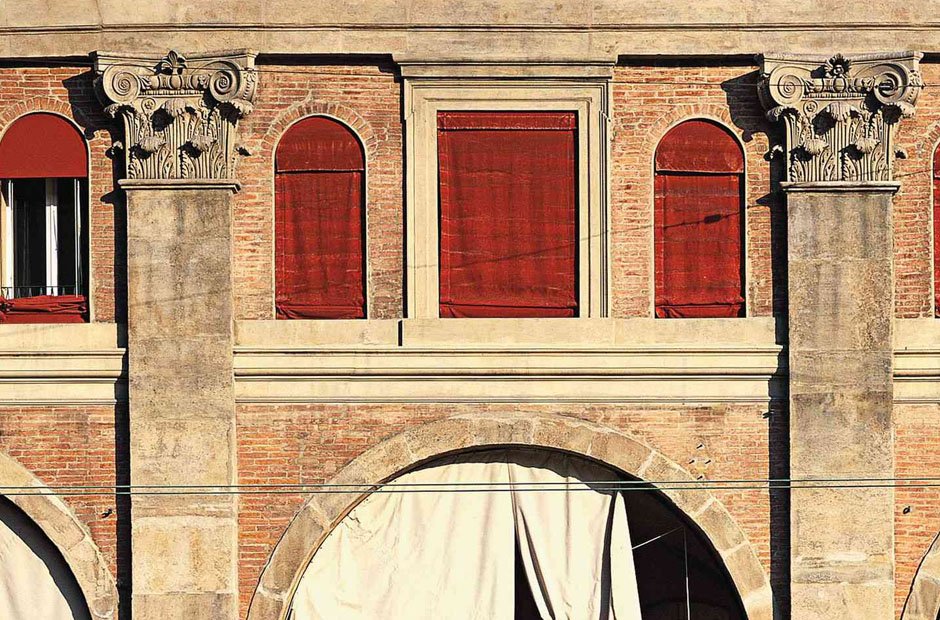
Architecture is not only about function. It is also a visual language built on proportion, rhythm, and detail. One element that continues to hold artistic relevance across centuries is the architectural pilaster. Once rooted firmly in classical design, pilasters are now being reimagined in modern interiors and façades, where they add depth, structure, and quiet elegance without overwhelming a space.
This article explores how pilasters contribute artistic value to contemporary environments and why they continue to resonate in modern architectural design.
Understanding the Role of a Pilaster
A pilaster is a shallow column that projects slightly from a wall. Traditionally, pilasters echoed the form of classical columns, complete with bases, shafts, and capitals. Unlike free-standing columns, they are primarily decorative, used to articulate walls rather than support weight.
In modern architecture, pilasters have evolved beyond strict historical imitation. Designers now treat them as sculptural elements that help define space, introduce verticality, and add architectural interest to otherwise flat surfaces.
Why Pilasters Still Matter in Contemporary Design
Modern spaces often favour clean lines and open layouts. While this creates clarity, it can also risk visual flatness. Pilasters offer a way to introduce depth and articulation while maintaining a refined aesthetic.
- Creating Visual Rhythm
Repeated vertical elements establish rhythm along walls and façades. Pilasters guide the eye naturally, breaking long surfaces into measured sections. This rhythm brings order and calm, particularly in large or open-plan spaces where visual anchors are needed.
- Enhancing Light and Shadow
One of the most artistic qualities of pilasters is how they interact with light. Their raised profiles catch highlights and cast soft shadows that shift throughout the day. This subtle play of light adds movement and texture, transforming static walls into dynamic surfaces.
- Improving Proportion and Scale
Pilasters help large spaces feel balanced and human in scale. By visually dividing tall or wide walls, they create proportions that feel intentional rather than expansive or empty. This is especially valuable in modern interiors where minimal detailing is common.
- Blending Classical Inspiration with Modern Materials
The resurgence of pilasters in modern design is closely linked to advances in materials and manufacturing. Contemporary moulding techniques allow for crisp detailing, lightweight construction, and consistent finishes that suit both traditional and modern environments.
Designers can now introduce refined detailing, such as a fluted style, without the weight, cost, or structural complexity associated with stone or carved masonry. This flexibility allows pilasters to sit comfortably alongside modern finishes such as polished plaster, glass, and concrete.
Where Pilasters Add the Most Artistic Impact
Pilasters are remarkably adaptable and can elevate a wide range of spaces when used thoughtfully.
- Residential Interiors
In homes, pilasters add architectural definition without feeling formal or imposing. They are often used to frame fireplaces, doorways, or feature walls, giving rooms a sense of structure and permanence. In hallways and stairwells, they create a feeling of progression and continuity between spaces.
- Commercial and Hospitality Spaces
Hotels, restaurants, galleries, and offices frequently use pilasters to convey quality and intention. They can subtly separate zones, enhance entrances, or reinforce brand identity through architectural language. In reception areas, pilasters introduce symmetry and authority while remaining visually light.
- Renovation and Adaptive Reuse
Pilasters are particularly effective in projects that blend old and new. In renovated buildings, they can echo historic detailing while supporting contemporary layouts. This helps create cohesion between original architecture and modern interventions, preserving character without sacrificing functionality.
Designing with Pilasters Successfully
To maximise their artistic value, pilasters should be integrated with care and restraint.
- Consider scale carefully: The height and width of pilasters should relate naturally to wall dimensions and ceiling height.
- Keep detailing intentional: Simpler profiles suit modern spaces, while fluted or more detailed designs add texture where appropriate.
- Use lighting strategically: Wall washers or directional lighting can enhance shadows and highlight depth without drawing attention away from the overall design.
The Enduring Appeal of Architectural Detail
Pilasters demonstrate how small architectural decisions can have a powerful impact on how spaces feel and function. They bring rhythm to blank walls, depth to minimal interiors, and a sense of craftsmanship to modern environments.
Rather than being relics of the past, pilasters continue to evolve as expressive tools in contemporary design. Their ability to balance tradition with modernity makes them especially valuable in spaces that aim to feel both timeless and current.
For designers and homeowners alike, pilasters offer an opportunity to elevate everyday spaces through thoughtful architectural detail. When used with intention, they turn walls into works of quiet artistry that enhance the experience of the space as a whole.