The landscape of health science careers is rapidly evolving as innovation and changing patient expectations reshape the entire healthcare industry. Breakthroughs in technology, shifts in global demographics, and a greater emphasis on preventive and personalized care are creating new career opportunities. If you are considering your next step in this field, pursuing an online health science degree can prepare you to meet the industry’s growing and varied demands.
Today’s healthcare professionals must adapt to a world where skills in data analysis, remote care, and advanced medical devices are as essential as traditional bedside manner. Whether you’re guiding patients through traditional clinical care or leveraging new tools for improved population health, understanding these trends is key to thriving in this rewarding and ever-changing profession.
Technological advances are merging with healthcare delivery, while educators and employers partner to foster the next generation of adaptable, tech-savvy professionals. The drive for greener healthcare systems and the emergence of game-changing fields like quantum computing further accelerate this transformation.
This article explores the pivotal future trends in health science careers, from AI-driven diagnostics to sustainable medicine.
Technological Advancements
The integration of breakthrough technologies into healthcare is fundamentally changing how medicine is practiced and delivered. 3D printing now enables surgeons to create precise, patient-specific implants, prosthetics, and even bioprinted tissues, increasing treatment effectiveness and personalization. At the same time, surgical robots provide higher precision in the operating room, reducing the risk of human error and enabling minimally invasive procedures that improve patient recovery times and surgical outcomes. As these technologies advance, the demand for professionals who can operate or collaborate with these systems rises sharply.
Emerging Career Paths
Healthcare’s digital transformation has brought in a whole new lineup of roles — not just doctors and nurses anymore. Thanks to data-driven health initiatives, digital therapeutics, and remote monitoring, there’s a growing need for healthcare data analysts and informatics specialists who can make sense of massive datasets. Telehealth is booming, so we now have telehealth managers who oversee virtual care platforms, ensure compliance, and maintain quality. On top of that, medical device designers and engineers are developing the next generation of wearables and connected health tools.
According to U.S. News, data analytics is a major driver of change in healthcare, helping improve affordability, efficiency, and patient outcomes. Because of this shift, we’re also seeing more advanced-practice clinicians, such as nurse practitioners, entering the workforce in large numbers. In fact, they’ve topped the “100 Best Jobs” list for two consecutive years, highlighting the increasing demand for highly trained experts as the industry continues to evolve.
Educational Initiatives
Addressing persistent shortages in the healthcare workforce depends on reimagining how and when professionals are trained. An increasing number of high schools have introduced vocational and career pathway programs in healthcare, immersing students as early as ninth grade in clinical and laboratory skills. Such efforts aim to streamline the transition from education to employment, fueling a sustainable pipeline of skilled practitioners who are adaptable, culturally competent, and tech-savvy.
AI and Machine Learning
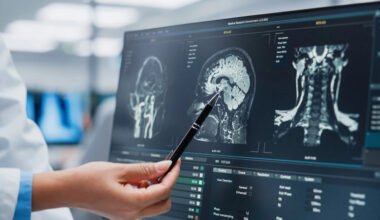
The impact of AI and machine learning in healthcare is profound. AI-driven platforms can now analyze medical imaging data with an accuracy often surpassing that of human radiologists. These advancements accelerate the detection of cancers and other conditions, providing clinicians with the data needed for faster, more personalized intervention. Machine learning also streamlines administrative workflows by automating patient scheduling, billing, and health record management, freeing up care providers to focus more directly on patient needs. In the diagnostic realm, AI is facilitating precision medicine by recommending treatment approaches tailored to an individual’s genetic profile and medical history.
Telehealth and Remote Care
The COVID-19 pandemic forever altered patient expectations regarding access to and delivery of care. Telehealth and virtual medicine quickly evolved from fringe conveniences to healthcare essentials, enabling remote consultations that reach rural, underserved, and homebound populations. According to Medical News Today, telemedicine allows patients to receive care from the comfort of their homes, reducing barriers while maintaining quality healthcare. The continued expansion of telehealth has created a pressing need for professionals trained not only in direct patient care but also in digital communication, privacy, and telehealth-specific policy.
As telemedicine becomes standard practice, professionals capable of building, maintaining, and securing telehealth platforms—while also ensuring patient engagement—are an area ripe for growth. Training the healthcare workforce of the future requires an emphasis on both clinical knowledge and digital literacy.
Sustainability in Healthcare
Hospitals and health systems increasingly recognize their responsibility to adopt sustainable practices that improve both operational efficiency and environmental stewardship. Implementing renewable energy solutions, eco-friendly building designs, and advanced waste management systems helps reduce hospitals’ carbon footprints. Green initiatives not only positively impact public health but are also embraced by regulators and funding organizations committed to climate action. Healthcare professionals with expertise in environmental science and sustainability will be valued contributors to this evolving landscape.
Quantum Technologies in Healthcare
Quantum computing and sensing may sound futuristic, but these emerging technologies are already on the horizon of healthcare. Quantum capabilities promise unprecedented advances—faster processing and analysis of complex health data, stronger encryption for patient privacy, and new approaches to molecular modeling and drug discovery. Yet, to unlock the full potential of quantum science, healthcare organizations face a shortage of professionals with quantum literacy and practical experience. Educators and employers are now called upon to incorporate quantum literacy and foundational knowledge into health science curricula.
Conclusion
Health science careers are entering an era defined by innovation, interdisciplinary skills, and a profound connection between technology and compassionate care. The future belongs to those ready to embrace emerging trends—whether by mastering new technologies, driving environmental initiatives, or joining the next generation of healthcare leaders. Staying informed and investing in advanced education positions you to excel in this dynamic, rapidly changing field.