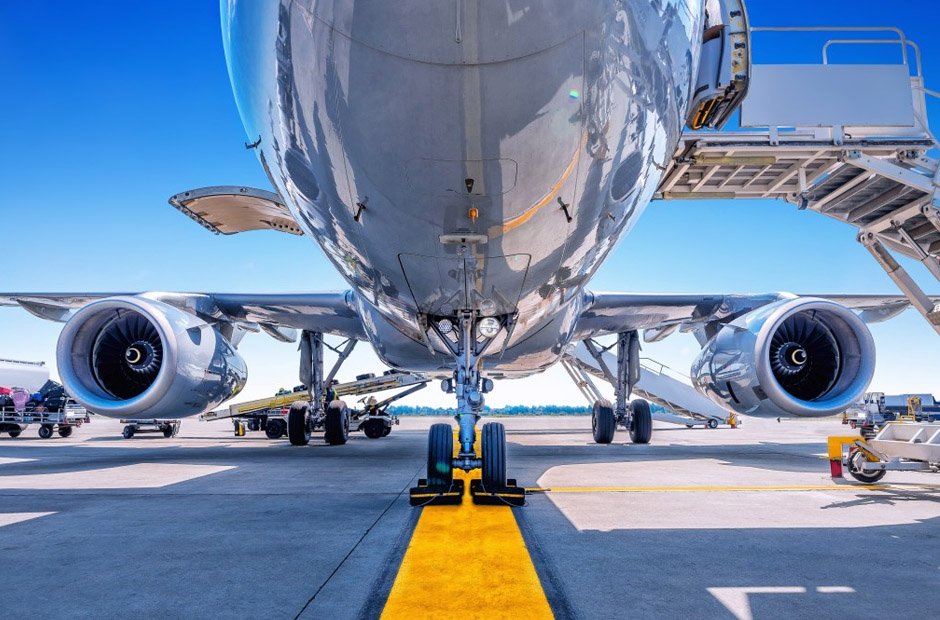
Ramp operations are a constant balancing act between efficiency, safety, and reliability. From towing aircraft to powering ground equipment and supporting maintenance activities, every decision on the ramp has ripple effects throughout daily operations. One of the most significant choices operators face is selecting the right power source for ground support equipment. Gas, diesel, and electric power each bring different advantages and limitations that become especially clear in real world ramp environments.
Understanding how these power options support a wide range of ramp functions helps teams choose equipment that fits actual workflows rather than idealized scenarios. The goal is consistent performance that aligns with operational demands, environmental conditions, and long-term planning.
The Scope of Ramp Functions and Power Demands
Modern ramps rely on more than a single piece of equipment to keep aircraft moving and supported. Aircraft towing, ground power units, belt loaders, air start units, and maintenance vehicles all contribute to safe and timely operations. These tools operate in close quarters, often under tight schedules, and sometimes in less than ideal weather.
Because ramp tasks vary in intensity and duration, power demands can change throughout the day. Equipment may need to run continuously during peak periods and sit idle during others. Selecting the right power source means considering not just the task itself, but how often it occurs, where the equipment operates, and how quickly it needs to be redeployed.
Gas Powered Equipment for Versatility and Access
Gas powered ground support equipment continues to play a role on many ramps due to its accessibility and familiarity. These engines are widely understood, relatively simple to service, and easy to fuel. For light duty ramp work, such as moving small aircraft, transporting tools, or supporting limited maintenance tasks, gas powered equipment often provides a reasonable balance of performance and cost.
However, gas engines can struggle under repeated heavy loads and extended run times. Noise levels and exhaust output may also present challenges, particularly in enclosed hangars or residentially sensitive areas. For operations that prioritize flexibility and occasional use, gas power remains practical, but it may not scale well for higher intensity ramp environments.
Diesel Power For Heavy Duty Ramp Operations
Diesel powered equipment is often associated with strength and endurance, making it a common choice for ramps handling larger aircraft or frequent movement. The higher torque output supports demanding tasks such as moving heavier airframes, operating large ground power units, and supporting maintenance vehicles that remain active for long stretches of the day.
Durability is a defining feature. Diesel equipment is designed to withstand long duty cycles and harsh conditions. That said, this durability often comes with higher upfront costs, increased weight, and louder operation. Fuel storage, emissions regulations, and cold weather performance also factor into diesel planning, especially for operators managing diverse fleets and facilities.
Electric Power and The Push for Cleaner Ramps
Electric ground support equipment is increasingly visible on modern ramps as operators prioritize sustainability, noise reduction, and lower operating costs. Electric motors offer smooth operation, minimal vibration, and instant torque, making them well suited for precise movements and indoor use.
Beyond tugs, electric power extends to ground power units, maintenance carts, and utility vehicles. While battery capacity and charging infrastructure require thoughtful planning, many operators find that electric equipment aligns well with predictable ramp routines. Some teams exploring updates to their equipment mix also assess preowned aircraft tug options alongside other electric ground support tools as a way to balance budget considerations with evolving power strategies.
Choosing Power with Ramp Reality in Mind
The most successful ramp operations match power choices to actual workflows rather than default preferences. A quiet overnight maintenance environment may benefit from electric solutions, while a high throughput daytime ramp may still rely on diesel for its durability. Smaller or mixed-use facilities often employ multiple power types to support different tasks efficiently.
Key considerations include equipment runtime, load requirements, space constraints, and environmental goals. Power selection also affects training, maintenance schedules, and long-term planning. Consistency can simplify operations, but flexibility often delivers better results when ramp functions vary widely.
Conclusion
Gas, diesel, and electric power each play a role in modern ramp operations, supporting everything from towing to maintenance and ground support. Understanding how these power options perform across the full range of ramp functions allows operators to make informed, practical decisions. When power choices align with real operational needs, ramps become safer, quieter, and more efficient places to work, supporting smoother aircraft movement and more reliable daily operations.