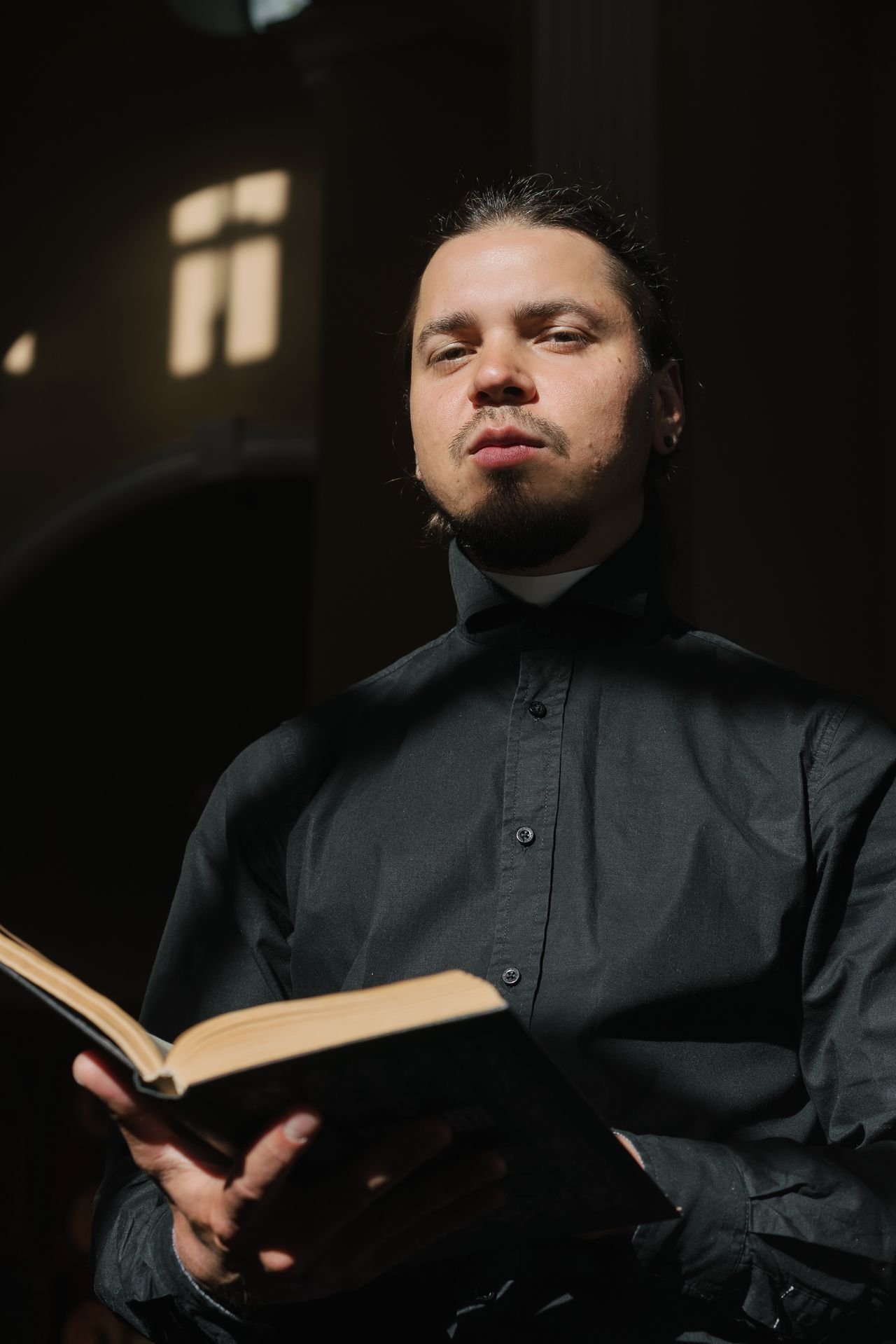
Religious freedom stands as one of the fundamental rights that shape democratic societies and individual dignity across the globe. When people have the ability to practice their faith, or choose not to practice any faith, without fear of persecution or government interference, entire communities benefit from increased stability, social cohesion, and human flourishing. Yet in many parts of the world, this basic right remains under threat. Understanding the importance of protecting and promoting religious freedom requires examining how this principle affects economics, mental health, social development, and international relations. The case for religious freedom extends far beyond personal conviction; it touches every aspect of how societies function and thrive.
The Foundation of Human Rights and Dignity
Promoting religious freedom rests on the understanding that individuals possess inherent dignity and the right to make deeply personal choices about their beliefs and worldview. When governments respect this freedom, they acknowledge that conscience and belief cannot be legitimately coerced or controlled through force or legal penalty. This principle has been enshrined in major international human rights documents, including the Universal Declaration of Human Rights and the International Covenant on Civil and Political Rights. People deserve the space to explore existential questions, practice rituals meaningful to them, and raise their children according to their values without state interference. Protecting this right strengthens the moral foundation of a society by recognizing that fundamental freedoms must include the freedom of thought and conscience. Without such protections, governments gain unchecked power over the most intimate aspects of human existence.
Economic Development and Social Stability
Countries that protect religious freedom tend to experience better economic outcomes and lower social conflict. When people feel secure in their right to practice their faith openly, they invest more fully in their communities, start businesses with confidence, and contribute to civic institutions without fear. Communities where multiple faith traditions coexist peacefully often show stronger economic indicators and higher rates of cooperation across different groups. Religious persecution, by contrast, creates a climate of fear and mistrust that harms commerce, education, and public health initiatives. When individuals must hide their identities or practice their faith in secret, they cannot fully participate in society or contribute their talents to collective progress.
Mental Health and Psychological Well-being
The ability to practice one’s faith freely has documented positive effects on mental health and psychological well-being. People who feel they can authentically express their beliefs experience lower rates of anxiety and depression compared to those living under religious restrictions or discrimination. Faith communities provide social support networks, ritual practices, and sources of meaning that contribute significantly to emotional resilience. Religious expression allows individuals to process trauma, grief, and existential questions in ways that secular support systems alone may not address. When people must suppress or hide their religious identity, the psychological burden creates chronic stress that affects physical health, family relationships, and workplace performance. Mental health professionals increasingly recognize that spiritual well-being and religious expression are legitimate components of comprehensive health care and personal flourishing.
The Prevention of Religious Persecution and Conflict
History demonstrates repeatedly that societies lacking strong religious freedom protections become vulnerable to extremism, violence, and systematic persecution. Global Christian Relief actively monitors and responds to the persecution of Christians in regions where governments suppress faith communities or weaponize religious identity against minority populations. When governments target specific faith communities or favor certain religions over others, it creates grievances, resentment, and potential radicalization among marginalized groups. Religious persecution has triggered wars, genocides, and mass displacement throughout history and in contemporary contexts.
Communities that actively work to promote religious freedom create environments where different faith traditions can coexist, allowing people to understand and respect one another across theological divides. Such coexistence reduces the likelihood of conflict and creates opportunities for interfaith dialogue and cooperation on shared values. By protecting the rights of religious minorities and dissenters, societies protect themselves from the cycles of violence and retribution that religious oppression tends to generate.
Democratic Governance and Rule of Law
Religious freedom functions as a crucial check on government power and a foundation for democratic governance. When a state claims authority over religious matters, it simultaneously claims power over conscience, belief, and personal conviction, creating conditions for authoritarianism. Democratic systems require that governments remain neutral on religious questions and protect the rights of all citizens regardless of their faith commitments. This neutrality does not mean hostility toward religion; rather, it means the government neither promotes nor inhibits religious practice. Strong protections for religious freedom create space for civil society organizations, faith communities, and ordinary citizens to challenge government overreach and hold institutions accountable. Nations with robust religious freedom protections tend to have stronger judicial systems, greater transparency, and higher levels of public trust in governmental institutions.
Global Interconnection and International Relations
In an increasingly interconnected world, religious freedom affects international stability and diplomatic relationships. Governments that persecute religious minorities often face international condemnation and economic sanctions, damaging their relationships with trading partners and allies. Conversely, nations that protect religious freedom attract talent, investment, and positive diplomatic relationships. When populations feel their religious identities are threatened in their home countries, migration pressures increase, creating humanitarian challenges that require international cooperation. Promoting religious freedom on a global scale requires coordinated effort among governments, international organizations, and civil society groups working toward shared standards of human rights.
Conclusion
The importance of promoting religious freedom extends across multiple dimensions of human experience and social organization. This right protects individual dignity, enables economic development, supports mental health, prevents religious conflict, strengthens democratic institutions, and contributes to international stability. Societies that embrace religious freedom create environments where diverse populations can coexist peacefully, where individuals can fully develop their potential, and where governments remain accountable to their citizens. As global challenges become increasingly complex, the protection and promotion of religious freedom remain essential to building just, stable, and prosperous communities.