Asbestos exposure risk is not equal across all jobs. Certain occupations face higher likelihood of encountering asbestos due to legacy building materials, industrial processes, or maintenance tasks. Knowing where the risks are and how to mitigate them allows workers and employers to reduce exposure and protect health.
Why Some Jobs Carry More Risk
Asbestos was widely used in insulation, fireproofing, cement products, automotive parts, and industrial equipment. Occupations that disturb old materials or operate in older facilities can release fibers into the air. Risk rises during demolition, renovation, maintenance, and fabrication involving legacy components. Even when materials are intact, damage or wear can create hazards.
Occupations With Elevated Exposure Potential
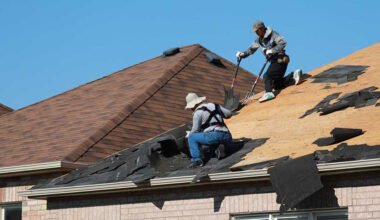
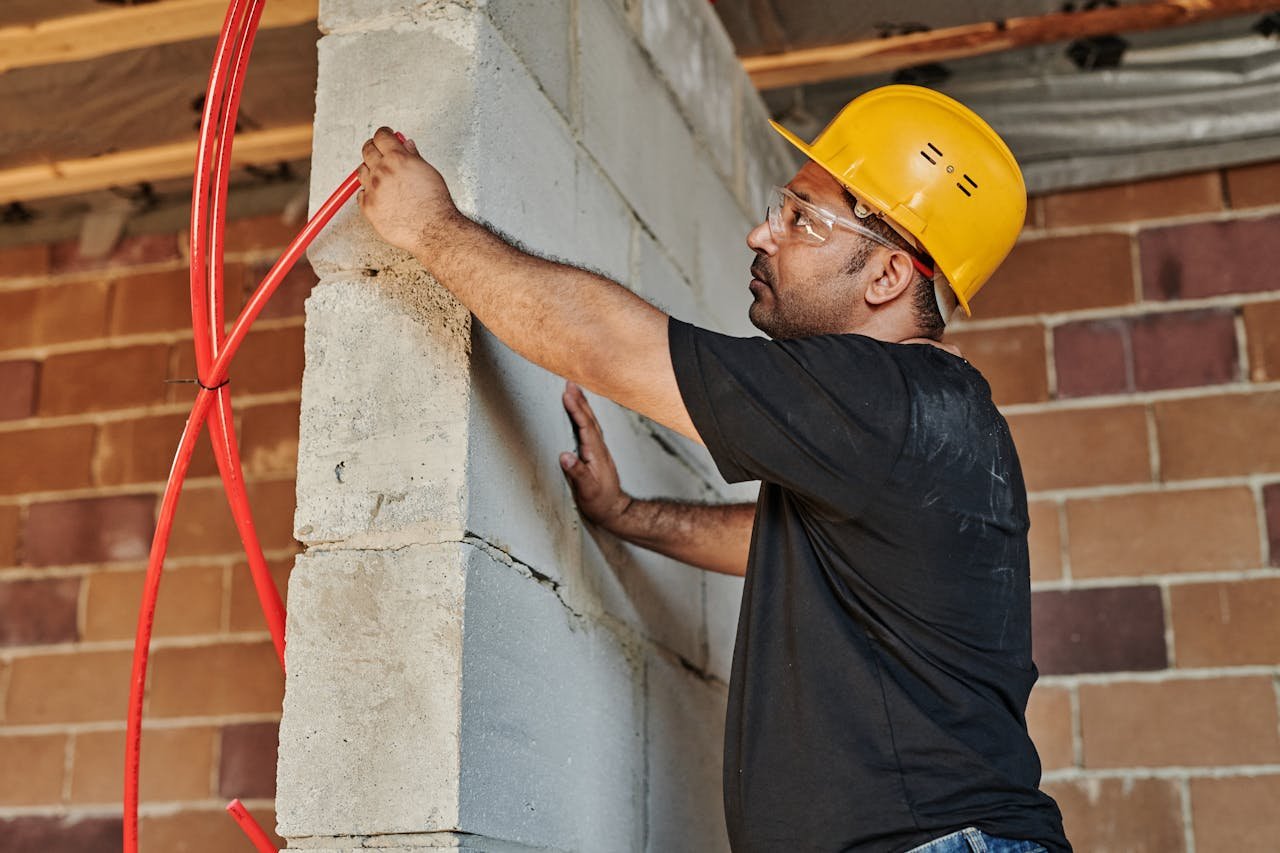
Construction workers, demolition crews, electricians, plumbers, HVAC technicians, and roofers may encounter asbestos in older buildings. Maintenance staff in schools, hospitals, and factories face risks when repairing or replacing parts in legacy systems. Auto mechanics working with historical brake and clutch components may face exposure. Shipyard workers and industrial insulators have also seen higher incidence historically. Anyone involved with disaster cleanup in older areas can be exposed when debris contains asbestos.
Workplace Controls That Make A Difference
Employers should implement hazard communication, training, and exposure assessments. Before disturbing building materials, conduct asbestos surveys and testing. When asbestos is present, use containment barriers, wet methods to suppress dust, and negative air machines with HEPA filtration. Provide appropriate respirators and protective clothing. Prohibit dry sweeping and standard vacuums. Establish decontamination areas and laundering protocols to prevent fibers from traveling home on clothing.
Personal Protective Strategies For Workers
Ask supervisors about asbestos assessments before beginning work in older structures. If testing has not been done, request it. Use only assigned respirators that have been fit tested and maintain a seal with clean-shaven faces unless an alternative approved respirator is provided. Follow instructions for donning and doffing protective clothing. Keep food and drinks away from work zones to avoid ingestion. Shower and change clothes before going home if facilities are available.
Health Monitoring And Recordkeeping
If your job has potential exposure, participate in medical surveillance programs when offered. Inform your healthcare provider about your work history and any symptoms such as persistent cough, chest pain, or breathlessness. Keep personal records of job locations, tasks, and known exposures. Documentation supports medical evaluation and any future claims.
Education And Resource Access
Training should be ongoing, not a one-time event. Refresher courses help you recognize hazards and maintain safe habits. Keep a concise list of easy-to-access mesothelioma resources for information on symptoms, evaluation, supportive care, and worker rights. Share these with coworkers and new hires to strengthen a culture of safety.
Community And Family Protection
Prevent take-home exposure. Store work clothes separately, and do not shake out dusty garments. Use designated laundering services when available. Keep vehicles clean and avoid transporting contaminated tools in passenger areas. Inform family members about safety practices so they understand why protocols matter.
Conclusion
High-risk occupations can be made safer with planning, training, engineering controls, protective equipment, and vigilant habits. By understanding where asbestos hazards exist and insisting on proper assessments and controls, workers protect themselves and their families. A well-informed workforce and proactive employers are the cornerstone of effective prevention.