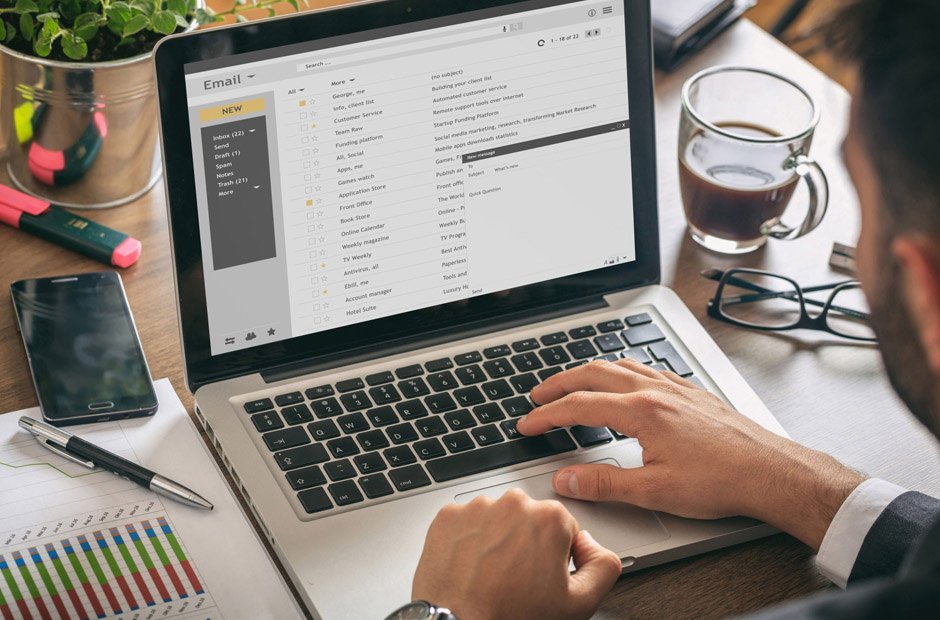
Creative professionals often focus intensely on portfolios, websites and visual branding whilst overlooking one of the most frequent touchpoints with potential clients: email. Every pitch, proposal, follow-up and project discussion displays your email address before anyone reads a single word. That address is either reinforcing your professional credibility or quietly undermining it.
For freelancers and creative entrepreneurs, trust is everything. Clients hire you based on confidence that you’ll deliver quality work, meet deadlines and maintain professionalism throughout the project. Your email infrastructure contributes to (or detracts from) that confidence more than most creatives realise.
First impressions happen before the message
Most people use email daily for both personal and professional communication, which means they’ve developed instincts about what looks legitimate versus what feels amateur. A business email address immediately signals investment in your practice and long-term commitment to your work.
When a potential client receives a proposal from contact@yourdesignstudio.com versus creativeperson87@gmail.com, the perception differs dramatically. The professional domain suggests established business infrastructure. The Gmail address suggests someone operating casually who might not be around for revisions or future projects.
This matters particularly in competitive situations. When multiple designers, writers or photographers pitch for the same project, clients look for reasons to narrow down choices. Professional business email addresses don’t win projects alone, but unprofessional ones can eliminate you from consideration before your actual work gets proper evaluation.
Building long-term client relationships
Creative work often depends on repeat clients and referrals. Using yourname@yourbusiness.com consistently across years builds recognition and makes it easy for previous clients to find you again when they need your services.
Changing email addresses disrupts this continuity. Former clients lose track of your contact information. Email threads break. Your professional history fragments across multiple addresses, making it harder for people to verify your credibility or track your career progression.
Starting with professional business email from the beginning avoids these problems. Your email address becomes part of your professional identity, appearing consistently on your website, business cards, portfolio and in every client interaction over the course of your career.
Digital security for client projects
Creative professionals handle sensitive client information regularly. Unreleased product designs, confidential marketing campaigns, unpublished writing and pre-launch brand identities all pass through your email. Clients trust you with proprietary information that could damage their business if exposed prematurely.
Free email services scan your messages for advertising purposes, which creates potential confidentiality issues even if nothing malicious occurs. More concerning is that these services can terminate accounts for perceived policy violations without warning, potentially locking you out of critical client correspondence and project files.
Business email provides proper encryption and security controls that protect both your clients and your professional reputation. When clients ask about your data security practices (which increasingly they do), being able to point to professional infrastructure demonstrates that you take their confidentiality seriously.
Using a business email to stand out in crowded markets
Creative industries are intensely competitive, with talented professionals competing for limited opportunities. Small details that signal professionalism help distinguish established practitioners from beginners still figuring things out.
Professional email infrastructure suggests you’ve invested in your business beyond just having talent. It indicates you understand business fundamentals, take your practice seriously and plan to be around long-term. These subtle signals accumulate to create overall impressions of competence and reliability.
This becomes particularly important when working with corporate clients or agencies that have their own IT and security requirements. They expect vendors to maintain professional standards, and using consumer email services raises questions about whether you understand business expectations.
Deliverability affects opportunity
Creative professionals send portfolio links, project proposals and pitch materials regularly. If these emails consistently end up in spam folders, you’re losing opportunities without even knowing it. Professional business email with proper authentication dramatically improves deliverability rates.
Spam filters treat messages from authenticated business domains more favourably than those from generic free services. Your carefully crafted pitch might never reach the recipient if their email system automatically flags messages from Gmail addresses as potentially suspicious.
When you’re competing for projects, having your emails reliably reach decision-makers isn’t a luxury but a fundamental requirement. Poor deliverability means missed opportunities that you won’t even know to follow up on.
The investment that pays for itself
Professional business email costs perhaps what you’d spend on art supplies or software subscriptions in a single month. Yet it appears in literally every professional interaction you have. The cost-benefit calculation is straightforward when you consider the value of landing even one additional client who might have dismissed a Gmail address.
Setting up business email takes minimal time with modern services that handle technical details automatically. Most offer migration tools that transfer your existing messages and contacts, making the transition considerably simpler than you might expect.
Your creative work deserves professional infrastructure that supports rather than undermines your credibility with potential clients.