Key Takeaways
- Coveralls and overalls offer crucial protection from physical, chemical, and environmental risks in the workplace.
- Modern workwear emphasizes worker comfort through ergonomic designs and advanced materials, directly impacting productivity.
- Continuous developments in protective fabrics and smart garment technology improve durability and on-the-job safety.
- Compliance with standards ensures that protective clothing meets strict safety guidelines for maximum effectiveness.
In fast-paced industrial and commercial environments, safeguarding workers is not just about following legal requirements; it is central to keeping teams productive and safe. The right workwear, including industrial coveralls and overalls, plays a pivotal role in providing reliable protection while boosting operational efficiency. These garments are not just uniforms but form part of key risk mitigation and productivity strategies for many businesses.
Companies rely on specialized coveralls and overalls to shield employees from a variety of workplace hazards, ranging from chemical spills to cuts and burns. Besides providing frontline defense against injuries, these garments are engineered for comfort and convenience, incorporating features that help workers stay focused, agile, and confident, which ultimately enhances productivity.
Protection Against Workplace Hazards
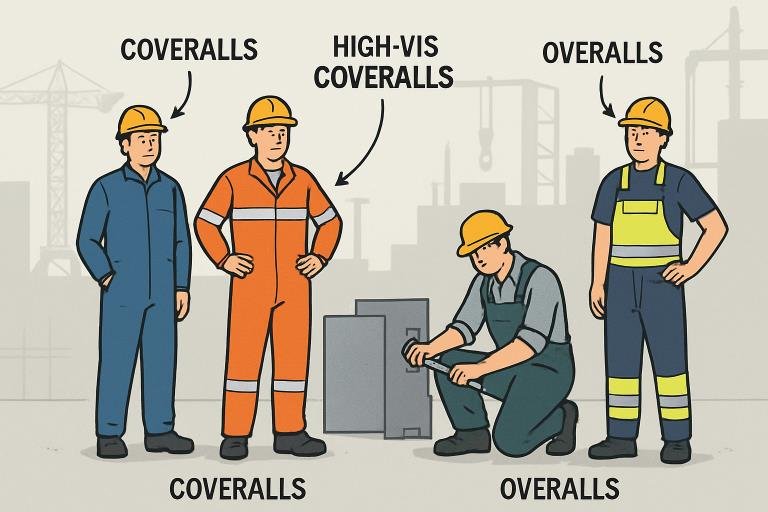
Coveralls and overalls serve as the first line of defense against a wide array of occupational hazards. In sectors like construction, oil and gas, manufacturing, and chemical processing, exposure to fire, chemicals, sharp tools, and environmental extremes is frequent. For example, flame-resistant overalls help prevent serious burn injuries, whereas chemical-resistant coveralls shield skin from corrosive agents or harmful solvents. By reducing the risk of exposure, these garments prevent minor incidents from escalating into workplace emergencies, supporting a culture of safety across industries.
Additionally, these garments are routinely adopted by professionals in hazardous waste operations, emergency response teams, and laboratories, where unpredictability is a constant factor. The use of standardized protective attire encourages workers to engage confidently with challenging environments, knowing that their clothing provides multiple layers of protection. This preparedness and sense of security often translate into fewer workplace incidents and increased operational continuity.
Enhancing Worker Comfort and Productivity
Comfortable, well-fitting coveralls and overalls have a direct impact on worker performance. Ergonomic tailoring, such as articulated knees, gusseted crotches, and elastic waistbands, gives employees freedom of movement, letting them bend, lift, and stretch without restriction. Materials engineered to wick moisture, repel stains, or insulate against heat and cold mean workers can remain comfortable and focused during long or demanding shifts. Modern manufacturing approaches are integrating reinforcements at stress points to increase the garment’s durability and reduce fatigue, as highlighted by industry publications like The 360 Magazine.
Productivity is further enhanced by practical design features, such as multiple utility pockets, tool loops, concealed zippers, and adjustable cuffs. These elements provide not only convenience but also help prevent snagging or entanglement, enhancing both safety and efficiency. For employees frequently transitioning between indoor and outdoor settings, seasonally adaptable designs with removable linings or adjustable ventilation panels keep workers effective year-round.
Advancements in Workwear Materials and Design
The field of protective clothing is seeing innovations in both materials and garment design. New options include nanocoated fabrics that repel water, oil, and chemicals, extending the lifespan of workwear and providing extra layers of defense for those in automotive, laboratory, and chemical settings. Meanwhile, the integration of smart or “intelligent” fabrics, capable of monitoring body temperature, heart rate, and other vital signs, is transforming how worker health and safety are managed, offering real-time feedback to reduce accident risk and manage exhaustion before it becomes dangerous.
Other noteworthy advancements include lightweight, stretchable fabrics that do not compromise protection, making modern workwear less cumbersome and more compatible with layered clothing in extreme climates. Textile engineers are exploring environmentally friendly manufacturing processes and sustainable materials, helping organizations align with corporate social responsibility goals while maintaining high safety standards.
Compliance with Industry Standards
To achieve the safety benefits promised by protective clothing, adherence to rigorous industry standards is crucial. Organizations like the Occupational Safety and Health Administration (OSHA) in the United States, and similar bodies in other regions, have set performance benchmarks for industrial coveralls and overalls to ensure consistent and adequate protection. Employers should prioritize sourcing workwear that is third-party tested and certified to meet these industry guidelines, helping prevent workplace incidents and demonstrating commitment to workforce safety.
Regular audits and training should also be part of safety protocols, ensuring workers understand when and how to properly wear protective garments. Staying informed about the latest regulatory developments and best practices is essential for both compliance and continuous improvement in workplace safety.
Cost-Effectiveness and Durability
Investing in durable, high-quality workwear yields meaningful long-term benefits for both workers and employers. Tough fabrics can withstand frequent laundering, rough handling, and challenging environmental conditions without degrading rapidly. As a result, businesses reduce replacement costs, streamline their procurement processes, and avoid the risk of downtime due to garment failure or insufficient protection. Ultimately, durable coveralls and overalls provide peace of mind and reliable frontline defense, supporting uninterrupted and efficient operations.
The longevity of these garments also supports environmental sustainability by reducing textile waste and lowering the frequency of disposals. Employers committed to responsible procurement consider both direct and indirect savings, including lower insurance premiums and reduced worker compensation claims, when investing in superior protective clothing.
Improving Visibility for Safety
In many facilities and worksites, especially those near active machinery or vehicles, visibility is a matter of life and death. High-visibility (hi-vis) coveralls and overalls crafted with bright polymers and reflective tape ensure workers remain easily seen in poor lighting, adverse weather, or busy worksites. Visibility enhancements significantly reduce accident rates in sectors like construction, transportation, and road maintenance, where being noticed is just as vital as physical protection. The importance of visibility gear is emphasized by publications such as OSHA’s Guide to Personal Protective Equipment, underscoring its value on hazardous job sites.
Workplaces that implement strict visibility protocols not only lower accident risks but also cultivate an environment where safety is prioritized and reinforced by daily routines. As technology advances, even smarter visibility solutions, such as garments featuring LED lighting or integrated alert systems, are becoming increasingly accessible, further strengthening the safety net for workers in dynamic, high-risk settings.
Conclusion
Coveralls and overalls have evolved from basic uniforms into sophisticated safety gear, combining protection, comfort, and technology to meet the demands of modern workplaces. When employers invest in garments that protect against hazards, offer ergonomic benefits, and adhere to strict regulatory standards, both safety and productivity improve. Making high-quality, durable industrial workwear a priority is a direct investment in business success and workforce well-being.
Ultimately, the integration of advanced textiles, ergonomic designs, and smart technology into workplace attire signals an exciting future for occupational safety. Companies aiming for operational excellence recognize that empowering employees with state-of-the-art protective wear is fundamental not only for compliance but for building a resilient, motivated, and high-performing workforce. As workplace needs continue to evolve, so will the innovations that keep workers secure, comfortable, and productive on the job.