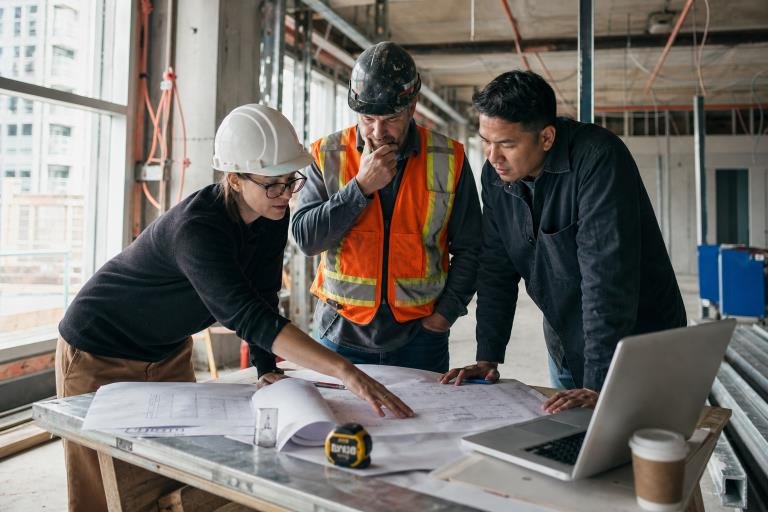
Construction disputes rarely begin as major conflicts. More often, they start with an unanswered question, an unclear drawing, a missed notice deadline, or a change that moves forward without agreement on cost or time. For architects, engineers, and other design professionals, preventing escalation depends on disciplined communication and well-managed project processes. Legal guidance from Furukawa Castles Karic LLP can also help project participants understand contractual duties before a disagreement becomes a formal claim.
In 2026, labor constraints, volatile material costs, procurement delays, increasingly technical building systems, and compressed schedules can add pressure to every project participant. Design professionals cannot eliminate every risk, but they can establish reliable systems that identify issues early, assign responsibility clearly, and preserve the records needed to reach practical solutions.
Why Construction Disputes Start
Claims commonly arise from unclear scopes, design revisions, allegations of delays, payment concerns, differing site conditions, or inconsistent contract documents. A small disagreement can become expensive when the team continues working without documenting its interpretation. Early action is usually less disruptive than litigation or arbitration after positions have hardened. The goal is not to assign blame at the first sign of trouble. It is to identify the issue, confirm the facts, and decide who must act next.
Review Contracts Before Work Begins
Contract review should occur before bidding, signing, or issuing a notice to proceed. Design professionals should understand the scope of services, standard of care, design review obligations, indemnity and insurance provisions, payment and retainage terms, schedule commitments, change procedures, notice requirements, and dispute resolution clauses.
For example, a clause stating that the architect will “ensure compliance with the drawings” may create very different expectations. An owner may read it as a guarantee, a contractor may treat it as site oversight, and the architect may intend only periodic observation. Clear language should identify the actual service being provided, its limits, and the party responsible for construction means and methods.
Define Roles, Duties, And Deliverables
Written role assignments reduce uncertainty when decisions must be made quickly. The project team should identify who prepares drawings, specifications, estimates, schedules, and design revisions. It should also distinguish between authority to approve work, recommend a decision, inspect conditions, or direct a contractor.
- Assign responsibility for submittals, shop drawings, field reports, and responses to requests for information.
- Set deadlines for each deliverable and state the required communication method.
- Use a responsibility matrix for projects involving multiple consultants, specialty contractors, or phased work.
- Confirm that no one assumes authority that the contract does not provide.
Improve Project Documentation
Good documentation is not paperwork for its own sake. It creates a shared project memory that helps the team resolve questions before recollections differ. Keep organized meeting minutes, action items, design comments, requests for information, submittal logs, site reports, dated photographs, schedule updates, change requests, payment applications, and notices concerning delays or site conditions.
Use a consistent file-naming convention, version control, and a central project record. Informal texts may be useful for quick coordination, but they should not replace contractually required notices or formal instructions. When an important decision is made verbally, confirm it promptly in the designated project system.
Create A Clear Change Management Process
Changes are inevitable, but undocumented changes are a frequent source of disputes. Before implementing a revision, describe it in plain language, identify its cause, estimate cost and schedule effects, assign responsibility for design and construction impacts, obtain approvals, and update the drawings, specifications, schedule, and budget.
Consider an owner-directed substitution of a finish material after procurement begins. The architect should document the requested product, verify performance requirements, identify any redesign needed, and obtain the contractor’s pricing and lead-time analysis. The team can then approve the change with a clear record, rather than later debating whether the contractor absorbed the cost or caused the delay.
Use Early-Warning Practices
Project teams should regularly review risks rather than waiting for a claim notice. Repeated requests for information, missed submittal dates, unresolved design questions, delayed approvals, and schedule slippage are all warning signs. Establish a known escalation path so an issue can move from field staff to project leadership before it affects critical work.
A “no surprises” culture matters. Team members should be encouraged to raise concerns when they are still manageable, even if the issue seems minor. Regular risk reviews can turn a potential dispute into a scheduled decision with a documented owner.
Strengthen Architect-Contractor Coordination
When the delivery method permits it, early involvement of contractors, specialty trades, and key suppliers can improve constructability, pricing, sequencing, and material planning. The architect-contractor collaboration framework emphasizes shared goals, defined roles, communication protocols, risk management, and digital coordination as practical ways to improve outcomes.
Coordination meetings should address field conditions, long-lead items, design details, quality, safety, cost, and schedule. Each meeting should end with clear follow-up duties, deadlines, and a record of unresolved items.
Choose The Right Dispute Resolution Method
Not every disagreement requires a lawsuit. Direct negotiation may resolve an early, limited issue. Executive escalation can help when project leaders need a prompt business decision. Mediation offers a private process with a neutral facilitator, while arbitration may provide a more formal private decision. Litigation can be appropriate when court authority, extensive discovery, or a binding judgment is necessary.
For large or lengthy projects, early dispute-avoidance methods, such as a dispute-avoidance or resolution board, can provide the parties with neutral input while construction continues. As the neutral becomes familiar with the project, the team may be able to address issues before delays, costs, and mistrust escalate into formal claims.
Use Digital Tools With Care
Project platforms, digital drawing systems, scheduling software, and artificial intelligence can improve coordination, but they do not replace professional judgment. Contracts should address ownership and control of digital files, access rules, confidentiality, digital deliverables, and retention requirements. Teams should preserve a reliable audit trail and review automated outputs before relying on them for technical, contractual, or safety-critical decisions.
A Practical Dispute Prevention Checklist
Before Signing
- Confirm the scope, risk allocation, insurance, indemnity, notice deadlines, and dispute process.
During Design And Construction
- Document decisions, track changes, update schedules, answer questions promptly, and escalate unresolved issues early.
At Closeout
- Resolve open changes, collect final records, complete punch-list work, confirm warranties, and preserve key communications.
Conclusion
Construction dispute prevention begins with clear contracts, defined responsibilities, dependable records, and steady communication. Design professionals do not need to predict every problem. They need a process that identifies risk early, documents decisions accurately, and gives every project participant a fair path toward a practical resolution.