Care has always relied on communication. Reassurance, clarity, trust, and understanding sit at the heart of every good care experience. What’s changing isn’t the need for those qualities, but the language used to deliver them. Digital tools are quietly reshaping how care is explained, experienced, and understood.
Below is an engaging look at the specific digital tools that are changing the language of care and why they matter more than we often realize.
Online Portals That Replace Guesswork with Clarity
Patient and client portals have transformed how information is shared. Instead of vague explanations or forgotten instructions, people can now see appointments, treatment plans, timelines, and aftercare details in one place.
This shifts the language of care from reactive to transparent. Care is no longer something that happens to you. It becomes something you can follow, understand, and engage with. Clarity builds confidence, and confidence improves outcomes.
Digital Imaging That Turns Explanation into Understanding
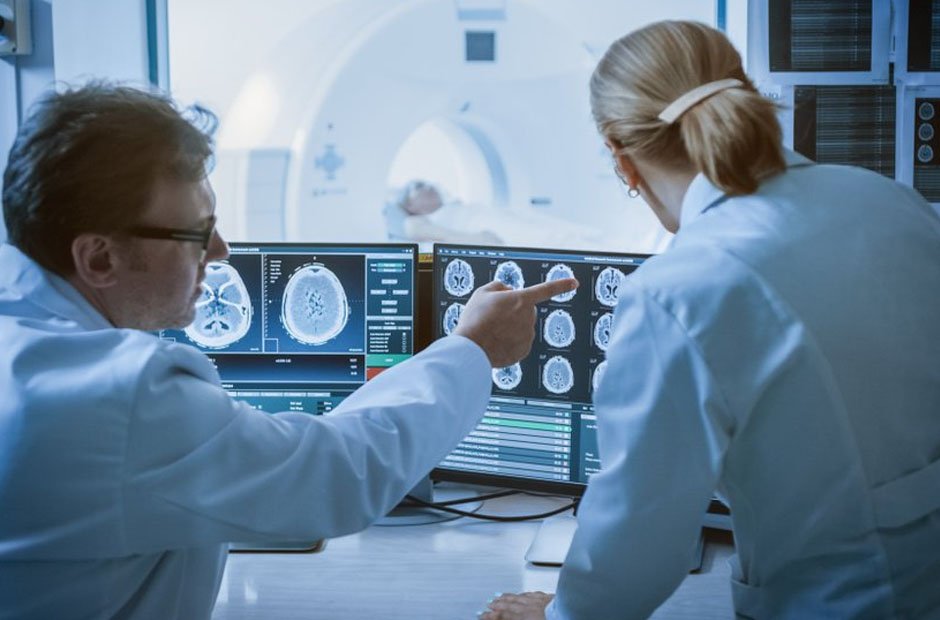
Advanced imaging tools have changed how professionals explain conditions and treatments. Visuals replace abstract descriptions. People can see what’s happening rather than trying to imagine it.
This changes the tone of care conversations. Instead of “trust me,” the message becomes “let me show you.” When people understand what they are seeing, fear reduces, and collaboration increases.
Messaging Platforms That Humanize Follow-Up
Secure messaging tools allow ongoing communication beyond appointments. Simple questions can be answered quickly. Reassurance doesn’t have to wait weeks.
This changes the language of care from distant to supportive. A short message can replace uncertainty with calm. It also signals availability and attentiveness, reminding people that care doesn’t stop when they leave the building.
Automation Tools That Create Consistency
Automated reminders, follow-ups, and updates might sound impersonal, but they often improve the care experience. They remove the need for people to remember everything themselves.
The language here is reliability. These tools quietly say, “we haven’t forgotten you.” Consistency builds trust, especially for people who feel overwhelmed or anxious about managing their own care schedules.
Digital Records That Enable Continuity
Shared digital records allow professionals to see the full picture without repeated explanations. This reduces frustration and saves emotional energy.
For the individual, the language of care becomes smoother and more respectful. You’re not constantly asked to start over. Your history is known. Your time is valued.
Collaborative Platforms That Improve Behind the Scenes Care
Digital collaboration tools are also changing care in ways that people rarely see. Laboratories, clinicians, and specialists can work together more precisely and efficiently.
For example, platforms and services like GoDigital Dental, dental lab support clearer communication between professionals, improving accuracy and consistency. This behind-the-scenes clarity directly affects the quality of care that people receive, even if they never see the process themselves.
Educational Content That Empowers Instead of Overwhelms
Digital education tools allow people to learn at their own pace. Videos, guides, and interactive resources replace rushed explanations.
The language of care becomes supportive rather than authoritative. Information is shared in a way that invites understanding, not compliance. When people feel informed, they feel respected.
Data Tools That Shift Care from Reactive to Preventive
Data-driven insights allow patterns to be identified earlier. Care can move from responding to problems to preventing them.
This changes the underlying message of care. Instead of “we’ll fix this when it goes wrong,” the language becomes “we’re helping you stay well.” That shift has a powerful psychological impact.
Why Language Matters in Digital Care
Digital tools do more than improve efficiency; they reshape how care is experienced emotionally. They replace uncertainty with visibility, distance with connection, and complexity with understanding.
The language of care is no longer just spoken; it’s built into systems, interfaces, and processes. When designed well, these tools make care feel clearer, kinder, and more collaborative.
As digital tools continue to evolve, the most successful ones will be those that remember this simple truth. Care is still human. Technology simply changes how humanity is expressed.