Key Takeaways
- Mock interviews recreate authentic interview situations so candidates can practice their techniques and responses.
- Repetition and rehearsal ease anxiety and promote readiness for actual interviews.
- Direct feedback targets improvement areas, leading to more compelling performance.
- Consistent mock interviews are linked to better hiring outcomes and professional development.
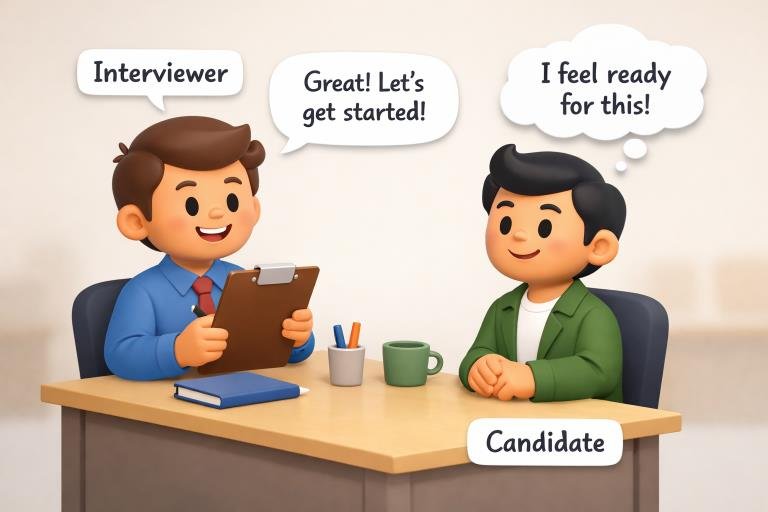
Stepping into a job interview can trigger nerves, whether you are a recent graduate or an experienced professional seeking a new role. The expectations to communicate clearly, answer questions thoughtfully, and create a memorable impression can feel overwhelming. Yet one approach proven to help individuals overcome these hurdles is incorporating mock interviews into their preparation. Mock interviews offer a realistic but low-stakes environment, allowing candidates to practice and improve before facing the real thing.
These practice sessions provide a safe space for refining techniques. Candidates can polish their answers, receive constructive feedback, and become comfortable in the interview setting. Taking the time to engage in mock interviews not only increases skill but also fosters tangible confidence that pays off in high-pressure job interviews.
Employers consistently cite strong interview performance as a top factor in hiring decisions. Candidates who rehearse their responses, anticipate tricky questions, and address their weaknesses often find they are better positioned to land job offers and advance their careers. For those feeling unsure how to begin, a structured approach to mock interviewing can change the course of a career.
Participating in rehearsal interviews, whether with friends, mentors, or professional services, allows you to simulate real interview scenarios and work through any obstacles in advance. Not only does this strategic practice help candidates calm their nerves, but it also provides an edge in a competitive job market.
The Psychological Benefits of Mock Interviews
Mock interviews provide much more than surface-level practice. They equip candidates to manage the psychological pressures of high-stakes conversations. By recreating the internal and external environment of a real interview, mock interviews help candidates acclimate to the stress and unpredictability that often cause anxiety. Over time, this familiarity becomes a powerful asset, transforming nervous anticipation into grounded self-assurance.
This process also enables individuals to present themselves more authentically. When you know what to expect, you can focus on demonstrating your strengths and engaging with your interviewer, rather than worrying about the mechanics of the experience. According to research from the Harvard Business Review, individuals who participate in simulated settings report higher confidence and better self-presentation during live interviews.
Enhancing Communication Skills
Strong communication is at the heart of successful job interviews. Mock interviews allow candidates to test their verbal approach, helping them discover which communication tactics work and which ones need refining. Practicing common interview questions, shaping thoughtful responses, and receiving outside perspective leads to significant improvement in how candidates articulate their strengths, goals, and past experiences.
These benefits are not limited to content alone. Mock sessions also hone delivery, helping candidates experiment with tone, volume, pacing, and body language. This attention to detail ensures that candidates not only say the right things but do so in a way that is memorable and compelling.
Identifying and Addressing Weaknesses
Feedback is an essential component of the mock interview process. Honest, detailed critique reveals which aspects of a candidate’s performance require attention, whether it is clarifying ambiguous responses, correcting distracting gestures, or organizing answers more logically. By addressing these weaknesses in advance, candidates build their skill set and become more adaptable in real-time interview situations. A study by the National Association of Colleges and Employers found that students who received feedback through mock interviews received more job offers compared to those who did not engage in practice sessions.
Building Resilience Through Repetition
Like any challenging skill, interview resilience is built through repetition. Regularly participating in mock interviews with varied formats and question types exposes candidates to the full range of scenarios they might encounter. This exposure lessens the fear of curveball questions and equips individuals with strategies to handle unexpected moments with composure and professionalism. Ultimately, rehearsal transforms nerves into confidence and anticipation into readiness.
Real-Life Success Stories
The effectiveness of mock interviews is evident in examples from academic programs and career centers nationwide. At the University of Dayton, hundreds of students take part in mock interviews as part of their career development curriculum. One participant described how practicing common interview questions, receiving immediate feedback, and watching playbacks of their sessions boosted both their confidence and capability, making the transition to real interviews much less daunting. Their experience echoes findings from major universities that invest in simulated interview training to drive student success.
Implementing Mock Interviews in Your Preparation
Anyone can benefit from mock interview techniques, regardless of experience level. Begin by listing common questions for your field or desired position. Practice answering aloud alone, in front of a mirror, or record yourself for playback. Enlist a friend, peer, or career service to ask questions and provide feedback. Consider using online platforms dedicated to mock interviews, many of which simulate virtual interview experiences and offer professional critique.
During each session, focus on both the content and the delivery of your answers. Pay close attention to your body language, tone, and pacing. With consistent effort, your confidence will grow, and your ability to handle challenging interview questions will improve.
Conclusion
Mock interviews are one of the most effective tools for building real-world confidence and interview readiness. Through practice, feedback, and repetition, candidates can turn anxiety into poise and uncertainty into mastery. By incorporating mock interviews into your job search routine, you not only increase your chances of landing your ideal job but also equip yourself with skills valuable far beyond the interview room.