Key Takeaways
- Modern architecture prioritizes sustainability, functionality, and visual harmony.
- Emerging trends such as biophilic design and smart home integration enrich daily living.
- Reimagining historic structures allows contemporary needs and cultural heritage to coexist.
Modern architecture, with its innovative blend of practicality and artistry, has fundamentally redefined how people live, work, and interact. From sustainable design approaches to advanced technology integration, today’s homes and communities reflect our evolving values and priorities. This transformation is evident in forward-thinking spaces such as mountain residences in Deer Valley, Utah, where architectural trends meet natural beauty for an elevated living experience.
Architects are increasingly incorporating eco-friendly materials, creating spaces that blur the line between indoors and outdoors, and integrating smart technologies for convenience and energy efficiency. These advances enhance quality of life, well-being, and environmental responsibility directly shaping the habits and experiences of countless individuals and families.
By leveraging both time-honored materials and next-generation technologies, architects create environments that are not only comfortable and beautiful but also adaptable and long-lasting. These contemporary spaces foster a lifestyle that rewards connection between people and their surroundings challenging traditional living concepts and offering new avenues for fulfillment.
As communities increasingly seek solutions that balance historical preservation with the demands of modern life, thoughtful design becomes the bridge between these diverse objectives, reflecting a growing understanding of sustainability’s central role in shaping the future.
Embracing Sustainability in Design
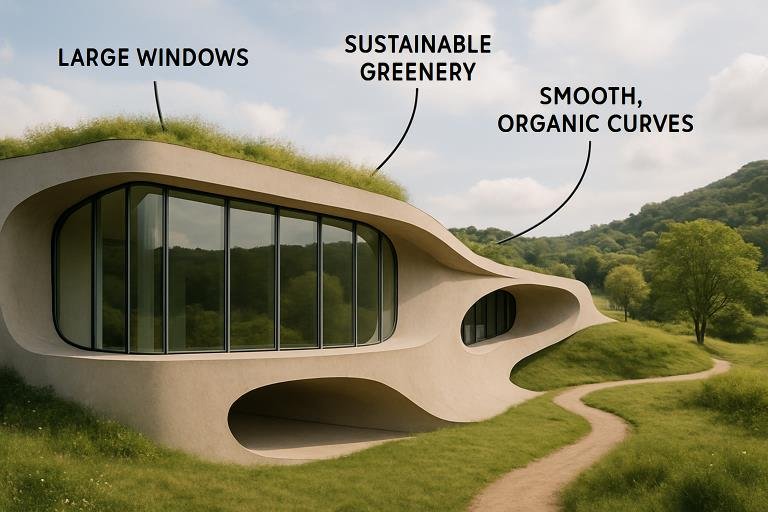
Sustainability lies at the heart of modern architecture. Designers today focus on reducing environmental footprints through energy-efficient layouts, renewable materials, and features that support healthy indoor environments. Notable examples include green roofs, solar panel arrays, and rainwater-harvesting systems. The inclusion of expansive windows harnesses natural light and ventilation while fostering a visual and psychological connection to the outdoors. Additionally, introducing indoor greenery and natural textures aligns with biophilic design, a proven method for improving mental health and focus in both residential and commercial settings.
Smart Homes and Technological Integration
The rise of smart home technology is one of modern architecture’s most significant breakthroughs. From simple voice-activated lighting systems to comprehensive home automation networks, these tools empower homeowners to control comfort, security, and energy use with unprecedented ease. In urban trendsetting cities like Singapore and Copenhagen, buildings utilize networked sensors to monitor occupancy and optimize resources, demonstrating a path forward for urban centers worldwide. Smart homes not only provide improved convenience but also align with ecological goals by reducing resource usage and enhancing sustainability.
Adaptive Reuse of Historic Structures
One of the most dynamic trends in modern architecture is adaptive reuse the reimagining of historic buildings for contemporary use. This approach saves cultural landmarks from demolition while meeting current demands for unique living or working spaces. Features such as exposed brick, soaring ceilings, and large original windows are celebrated, while upgrades like energy-efficient HVAC systems, soundproofing, and modern kitchens maintain comfort and functionality. Such projects enrich cities by creating visually compelling neighborhoods where the past and present merge in meaningful ways.
Biophilic and Nature-Inspired Architecture
Biophilic design, a hallmark of modern architecture, involves embedding natural elements directly into living and working spaces. Living green walls, open atriums, water features, and the use of wood or stone textures help reduce stress, enhance creativity, and promote overall well-being. Emphasizing the relationship between humans and the natural world, this approach is rapidly gaining popularity in both residential and commercial development as urban dwellers seek respite and renewal through their environments.
Curves and Softer Aesthetics
While sharp edges and geometric forms once defined the modernist movement, there is now a visible shift towards softer, organic shapes. Curved walls, arched doorways, and undulating facades generate visual interest and foster a sense of calm and movement. This gentle aesthetic can be seen in new home designs, workplaces, and public spaces, reflecting an increased desire for comfort and tranquility in architecture.
3D Printing and Innovative Construction Methods
3D printing is rapidly transforming the way buildings are constructed, with entire homes now being manufactured via large-scale printers using sustainable materials. This technology dramatically reduces construction waste and time while enabling intricate, customized designs that would be difficult or impossible with traditional methods. As this trend accelerates, affordable and sustainable housing solutions are likely to become more accessible helping address both environmental and economic challenges worldwide.
Conclusion
Modern architecture is not just about aesthetics it’s a transformative force that shapes lifestyles, enhances wellness, and promotes sustainable futures. Whether through the adaptive reuse of cultural landmarks, technological advances in home automation, or renewed connections with nature, architects continue to redefine the spaces where people live and thrive. As these trends take root, society moves closer to a future where well-designed environments support healthier, more fulfilling lives for all.