When was the last time you gave your house a proper checkup? Not the kind where you briefly glance at a leaky faucet and think, “I’ll deal with that later,” but a real once-over? In a world where we track our steps, monitor our sleep, and obsess over self-care, it’s ironic how easily we ignore the health of the place we live in. A home can’t text you when it’s feeling off, but it shows signs—if you’re paying attention.
The Invisible Cost of Delay
In many American households, the idea of maintenance tends to follow the “if it ain’t broke, don’t fix it” philosophy. But what if something is broken—just quietly draining your energy bill or reducing your air quality? The cost of ignoring routine upkeep rarely arrives with fanfare. Instead, it creeps in through increased heating bills, drafty rooms, overworked appliances, and eventually, emergency calls that could have been avoided.
The shift toward remote work has also made our homes work overtime. They’re now offices, classrooms, and gyms. With this evolution, efficiency isn’t just about money—it’s about comfort, health, and keeping up with daily demands.
Your Heating System Needs Attention
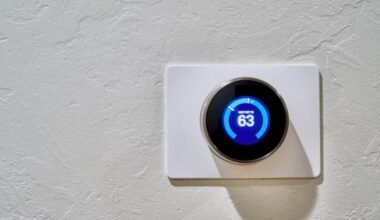
Winter doesn’t exactly sneak up on you. Still, many homeowners wait until the first icy breeze to realize their heating system sounds like a jet engine. It’s tempting to keep pushing the thermostat and hope for the best, but neglect is expensive. Dirty filters, outdated thermostats, and unchecked vents can force your system to work harder than it should, guzzling energy and hiking up costs.
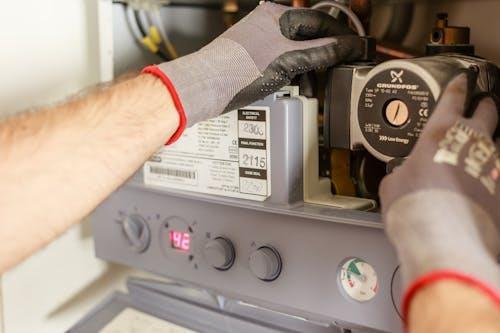
Here’s where routine checks come in. HVAC professionals can spot inefficiencies before they snowball. A small adjustment or part replacement can lead to better airflow, even temperatures, and lower bills. And for those preparing for seasonal shifts, don’t skip these heating maintenance must-do’s. Checking carbon monoxide levels, inspecting pilot lights, and calibrating thermostats isn’t just responsible—it’s necessary. With the recent push for energy conservation and rising utility costs nationwide, staying ahead of repairs can save real money and reduce environmental impact.
Plugging the Leaks You Can’t See
Water may be essential to life, but when it’s creeping behind walls or dripping under sinks, it’s a menace. Minor leaks might seem harmless—until mold appears, wood rots, or your water bill starts climbing like it’s on a Peloton.
Plumbing systems benefit greatly from routine inspections. Professionals can use pressure gauges and thermal imaging to detect problems before they become disasters. A proactive mindset can keep your bathroom a place of peace rather than a battleground for mildew. Especially with the increase in severe weather across the U.S., homes are more vulnerable to hidden damage than ever before.
Insulation: The Silent Efficiency Partner
Most people don’t think about insulation unless they’re building a house or trapped in a drafty attic. Yet insulation quietly plays a major role in keeping your home energy-efficient. Over time, insulation materials break down, shift, or become less effective—especially in older homes.
A thorough checkup can reveal whether your walls, attic, and crawlspaces are doing their job. Adding or replacing insulation doesn’t just lower heating and cooling costs—it improves air quality and reduces noise. In an era where energy efficiency is not only a personal goal but a national movement, this step is too important to ignore.
When Appliances Act Their Age
That fridge that hums loudly? The dryer that takes two cycles to finish the job? These aren’t just annoyances. They’re signals that your appliances are wasting energy—and time. Regular checkups, including basic cleaning and part replacement, can extend the life of your machines and make your routines smoother.
Given the rise of appliance rental and subscription-based models, you don’t always have to buy new to improve performance. You can swap outdated machines for energy-efficient options temporarily, cutting down on waste while boosting productivity. In a time when smart homes and sustainable living dominate headlines, even your microwave deserves a little upkeep.
Electricity Isn’t Just About the Lights
Your electrical system powers everything—from your coffee machine to your security cameras. But frayed wires, outdated panels, and overloaded circuits can compromise efficiency and safety. Routine inspections help ensure that your electrical flow is consistent and safe, reducing risks of power surges, outages, or even fires.
Today’s tech-driven homes demand more from their circuits. With every added gadget and screen, the risk of overload grows. A certified electrician can make sure your home keeps up with your lifestyle without compromising on efficiency or safety.
Don’t Ignore the Little Things
It’s often the overlooked details that lead to the biggest problems. Loose door seals, clogged gutters, cracked caulking around windows—these small flaws are gateways for air leaks, water damage, and pest invasions. Taking time to walk around your house with a critical eye—or better yet, bringing in a professional once a year—can reveal vulnerabilities you’d otherwise miss.
These checks aren’t glamorous. No one’s posting “just resealed my windows” selfies. But they matter. They’re the equivalent of flossing: minor daily habits that prevent costly dental—or in this case, structural—problems down the line.
Why Efficiency Means More Than Money
We tend to equate home efficiency with lower bills, but the story is bigger. A well-maintained home supports better mental health, smoother routines, and even a smaller carbon footprint. When systems work like they should, you aren’t distracted by annoyances or worn out by constant troubleshooting.
There’s also a societal layer to consider. As climate change discussions continue and sustainable living becomes less of a trend and more of a necessity, homes are in the spotlight. Energy-efficient households help reduce overall consumption, lower grid strain during peak times, and set an example for responsible living.
Plus, efficiency creates freedom—fewer repairs, less stress, more control. You’re not reacting to problems; you’re preventing them. That shift, from passive homeowner to active caretaker, is powerful. It signals awareness, responsibility, and maybe even pride.
So, next time you find yourself ignoring that strange noise, that blinking light, or that mysteriously high water bill, ask yourself: would I ignore this in my own body? Probably not. Your home might not have a heartbeat, but it definitely has systems—and they need regular checkups, too.