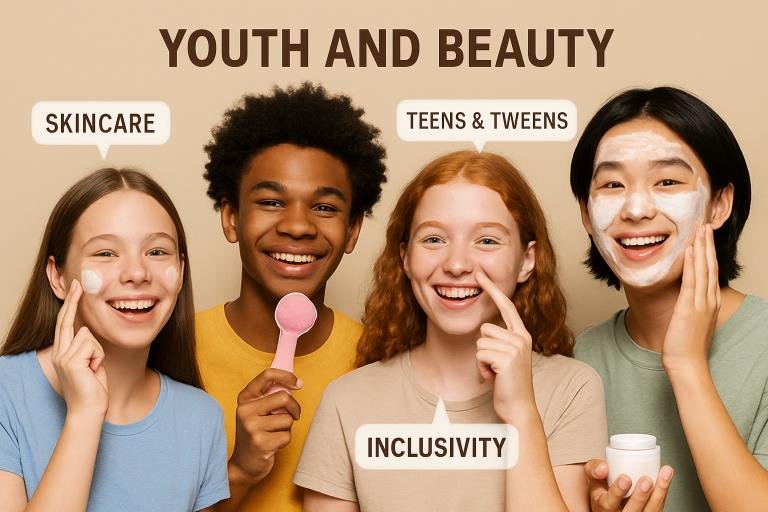
The beauty industry is undergoing significant change driven by an energetic new generation. Teens and tweens are not simply following trends—they are creating them, pushing brands to innovate, and shifting established beauty standards. As young consumers redefine what beauty means, companies increasingly look to these voices for inspiration and direction. Engaging in teen & tween product testing allows brands to better connect with this influential group and keep pace with their rapidly changing preferences.
Young beauty enthusiasts are notably vocal online and offline, sharing their opinions widely with friends and followers. Their early market entry, savvy use of social media, and dynamic stance on inclusivity are causing ripples across every segment of the beauty world. Early adopters are not only supporting new product launches but also challenging the industry to be more responsible about what is marketed to young people. This new wave of empowerment ensures brands are held accountable for quality and transparency.
Early Adoption of Beauty Products
Today’s teens and tweens are moving into the beauty scene earlier than ever before. Whereas a decade ago, the average American teen would purchase their first beauty product at age 13, this milestone has shifted to age 12. Experts see this as a reflection of increased social pressure, exposure to online beauty influencers, and a greater desire for self-expression at younger ages. Early access to products once reserved for older groups has changed how these young individuals view beauty—and how they incorporate it into their daily lives. Research from the American Academy of Pediatrics indicates that such early exposure is an opportunity to teach safe beauty practices and age-appropriate routines.
Influence of Social Media
Social media’s power to shape trends and preferences is unmatched, particularly among the younger generation. Platforms such as TikTok, Instagram, and YouTube provide instant access to tutorials, reviews, and peer-group dialogues that make discovering new brands and products effortless. A recent report from Common Sense Media highlights that nearly half of U.S. teens and tweens find their next beauty must-have through social sharing. This phenomenon not only makes the beauty market more accessible but also fosters a sense of belonging as young users experiment together and set trends collectively.
Economic Impact
Teens and tweens possess significant purchasing power in the beauty sector, making their preferences highly valuable to brands of all sizes. In 2023, spending by this demographic increased by an impressive 23 percent, far outpacing the overall industry growth rate. As their influence continues to grow, brands have begun dedicating more resources to product development and marketing strategies aimed at young consumers. This impact extends from product formulation to packaging and even retail environments, as brands seek to remain relevant and attractive to these early adopters. Major publications like The Business of Fashion frequently document how brands reimagine their offerings in response to Gen Z’s and Gen Alpha’s spending habits.
Gender Inclusivity
Beauty is becoming less about traditional gender roles and more about authentic self-expression for today’s youth. Approximately 70 percent of teen boys are comfortable discussing beauty topics with friends, and 90 percent of male beauty shoppers use skincare products. This openness signals not just an expanding market but a culture shift toward greater inclusivity. Brands are increasingly recognizing the cultural shift and introducing inclusive product lines and gender-neutral marketing campaigns. This progress is celebrated by advocacy organizations and major outlets, including CB Insights, which explores the new face of the beauty industry championed by young people.
Brand Loyalty and Preferences
Even as this group rapidly explores and adopts new products, brand loyalty runs deep—beloved names like Bath & Body Works, CeraVe, and e.l.f. Beauty remains a fan favorite for delivering reliability and visible results. Teens and tweens may try new things on impulse, but their trust in proven products steers their repeat purchases. This loyalty challenges new and legacy brands to continually prove their worth without losing the fun or innovative qualities that first attracted their audience. Success lies in a brand’s ability to deliver consistent value while staying nimble enough to ride new trend waves as they emerge.
Concerns and Considerations
As young beauty enthusiasts begin routines earlier than ever, concerns about their safety and long-term health are gaining greater attention. Dermatologists advise caution with complex skincare products, especially those targeting anti-aging or harsh treatments that may not suit sensitive skin. Misinformation online sometimes leads teens to try advanced activities better suited for mature users. Industry leaders and health professionals call for greater consumer education and transparency, while parents and guardians are encouraged to discuss safe beauty practices with teens and tweens. Responsible guidance from brands and adults is essential to ensuring positive, safe beauty habits for developing consumers.
Conclusion
Teens and tweens are more than trend followers—they are influential creators and curators of beauty culture. Their early and enthusiastic engagement with brands, coupled with a desire for authenticity and inclusivity, is reshaping the industry. As brands respond to this call for innovation, transparency, and responsibility, the beauty world is evolving to be more responsive and representative. By keeping young voices at the center of product development and marketing conversations, brands can ensure their continued relevance in a future shaped by the next generation.