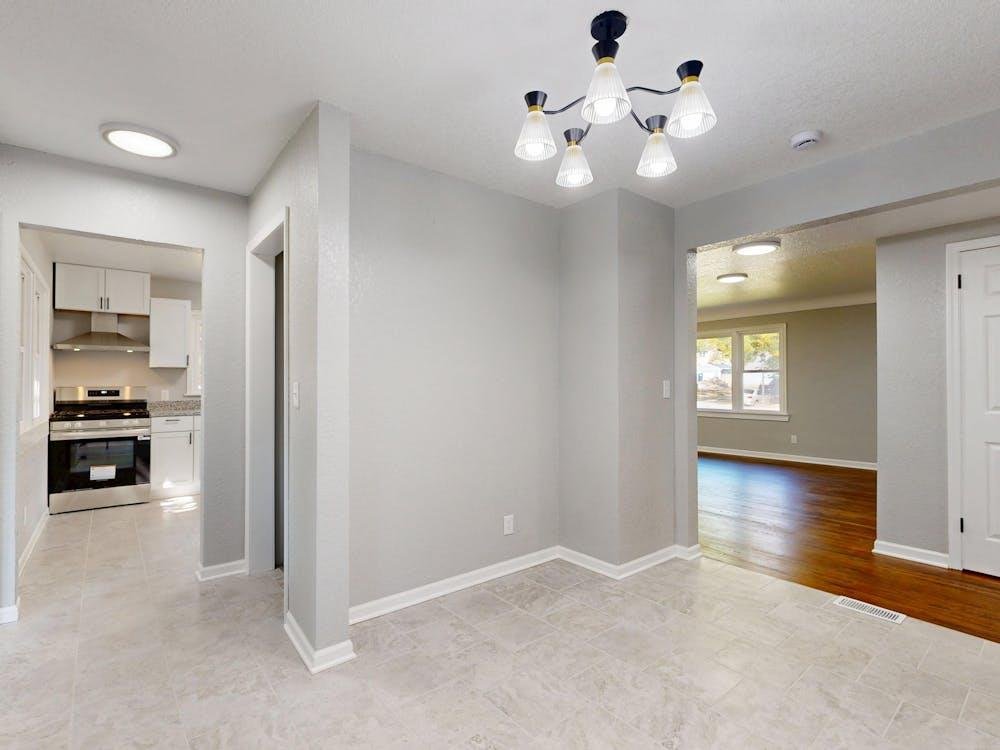
Homes do not age evenly. Some areas seem frozen in time, while others quietly show signs of use long before anything feels broken. Floors tell stories through worn paths. Walls change where hands brush past without thought. Corners soften, chip, or darken simply because life moves through them every day. None of this happens suddenly, which is why it often goes unnoticed until patterns become impossible to ignore.
Modern homes work harder than they used to. Rooms serve multiple purposes, foot traffic is constant, and cleaning happens more frequently with stronger products. Materials are expected to look the same year after year, even as they absorb daily contact.
Subtle Breakdown Along Tiled Seams
Tile surfaces tend to hold up visually for a long time, which makes the quiet changes along the seams easy to overlook. In kitchens, bathrooms, and entryways, the spaces between tiles absorb the most stress. Water settles there. Cleaning solutions pool briefly before being wiped away. Movement causes slight shifts that the tiles themselves are designed to resist, but the seams are not.
Over time, grout begins to tell a different story than the tile around it. Color becomes uneven—texture changes. Small gaps appear in places that once felt solid. Such changes rarely happen everywhere at once. They show up first where people stand the longest or move most often, such as in front of sinks, stoves, or doorways. The surface still looks intact, yet the seams reveal that the system underneath is slowly losing integrity. As such, grout repair becomes essential here. Restoring those seams stabilizes the surface as a whole and prevents moisture from reaching deeper layers.
What Repeated Cleaning Reveals
Cleaning is meant to preserve a home, yet it also exposes which surfaces were built to handle constant care and which were not. Over time, finishes respond to friction, chemicals, and moisture in ways that cannot be hidden. Shine dulls. Protective layers thin. Certain areas begin to look permanently tired, even when freshly cleaned. The most telling changes appear where cleaning happens most often. Floors near entryways lose their finish faster. Wall areas near light switches and counters lose depth of color. Surfaces that require aggressive scrubbing to look clean often show wear sooner, revealing that durability was limited from the start.
Repeated cleaning simply accelerates what time is already doing. When a surface cannot tolerate normal maintenance, it reveals a mismatch between how the home is used and what the material was meant to handle.
Why Baseboards Show Wear Faster
Baseboards live in a narrow zone of constant contact. Shoes brush past them. Vacuums knock into them. Furniture legs scrape them when rearranging. They also absorb moisture during floor cleaning in ways walls never do. Because of this, they often look worn while the wall above them appears untouched.
What makes baseboard wear stand out is how localized it is. Chips, scuffs, and discoloration cluster near corners and doorways, tracing daily movement patterns through the home. These marks do not signal poor care. They signal proximity to activity.
Baseboards become a visual record of how spaces are used. Hallways show more wear than bedrooms. Kitchens show more wear than dining rooms. The contrast between baseboards and walls highlights how edges and transitions absorb the first impact of daily life.
How Furniture Placement Creates Marks
Furniture leaves marks not through neglect, but through consistency. A couch placed in the same position for years compresses the flooring beneath it. A dining table creates subtle wear patterns around chair legs. Even area rugs leave outlines where light exposure differs from the surrounding floor.
These marks are not always visible right away. They appear slowly, often noticed only when furniture is moved. Fading, indentation, or texture differences suddenly reveal themselves, surprising homeowners who assumed the surface beneath was unchanged.
Furniture placement teaches an important lesson about time. Surfaces do not just age from use. They age from pressure held in place.
How Foot Traffic Creates Visible Pathways
People walk the same routes through their homes without realizing it. From the front door to the kitchen. From the bedroom to the bathroom. From the couch to the hallway. Over time, these paths become visible, even on durable flooring. The wear shows up as dullness, smoothing, or slight color variation that follows a consistent line. These pathways are rarely centered. They curve around furniture and avoid obstacles, mapping behavior more accurately than any floor plan.
Foot traffic does not damage floors because of weight alone. It does so through repetition. Thousands of steps land in the same places, day after day. Floors respond by changing where they are asked to perform the most.
Where Wall Paint Thins
Wall paint rarely wears evenly. Instead, it thins in very specific places where human behavior repeats itself without notice. Light switches, door frames, hallway turns, and the stretch of wall beside a staircase all experience constant contact. Hands brush past. Shoulders lean. Objects get carried close to the body and graze the surface. None of this feels aggressive, yet over time, it removes paint in a way cleaning never could.
The thinning often appears as subtle dullness rather than obvious peeling. Color loses depth. The surface starts to feel smoother or shinier in patches where friction has done its work. These areas tend to surprise homeowners during repainting because they reveal just how much interaction a wall has absorbed.
Time leaves its mark on homes not through neglect, but through use. Floors show where people walk. Walls show where people touch. These marks are not flaws in isolation. They are records of life unfolding within the space.