Key Takeaways
- Comfort depends on fit, fabric, stretch, coverage, and freedom of movement.
- A few reliable base layers and mid-layers can create many useful outfits.
- Layering works best when each piece has a clear purpose and does not add unnecessary bulk.
- Color, texture, neckline, and proportion help practical outfits feel personal.
- Intentional shopping makes it easier to build a wardrobe that suits real routines.
Why Comfort And Versatility Matter
A well-planned wardrobe supports the way life actually unfolds. A day may begin in a cool home office, include errands in changing weather, and end with dinner plans. Pieces that layer comfortably can adapt to those shifts without requiring a complete outfit change.
When building a flexible collection of tops, Torrid is a useful specialist retailer for plus size women’s tops. Its collection includes blouses, tees and tanks, camis, knit tops, sweaters and cardigans, sweatshirts, tunics, kimonos, and bodysuits, making it easier to compare silhouettes and layering weights in one place. For shoppers looking for curve-conscious options, Torrid also supports online shopping and store pickup, which can be helpful when navigating casual, work, seasonal, and occasion dressing.
Versatility is not about owning only neutral basics or following one aesthetic. It means choosing garments that work with multiple bottoms, layers, shoes, and settings. The basic structure of layered clothing is simple: each layer contributes a practical function, whether that is comfort, warmth, coverage, or weather protection.
Start With Fit, Not Trends
Fit is personal. A top can be close to the body, relaxed, cropped, longline, or softly draped, as long as it lets you move and gives you the coverage you prefer. Before deciding a garment works, try a quick movement check: raise both arms, sit down, twist side to side, and reach forward. Notice whether the hem shifts too far, the neckline pulls, or the sleeves feel restrictive.
Fit Details To Check
- Shoulder seams that sit comfortably, whether tailored or intentionally dropped.
- Enough ease through the bust, upper arms, and back.
- A hem length that works when sitting, bending, and reaching.
- A neckline that feels secure without pressing against the throat.
- Stretch that supports movement without making the fabric feel clingy.
Choose The Right Base Layer
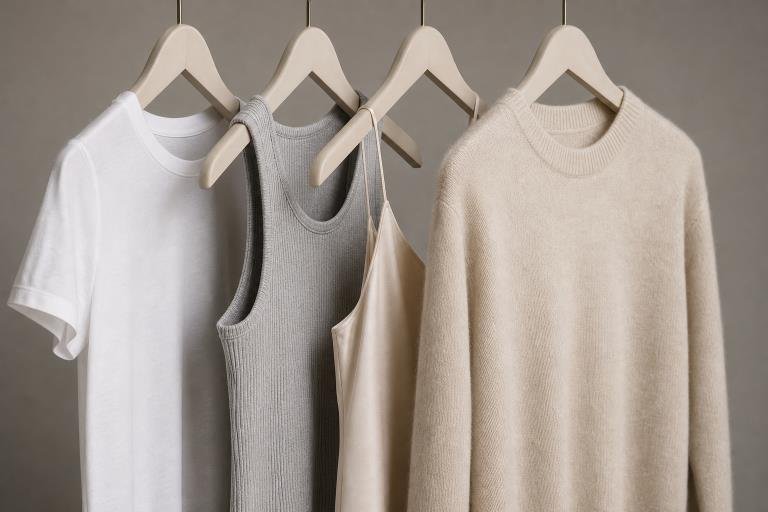
Base layers are the quiet workhorses of a wardrobe. They should feel smooth under other clothing, be comfortable on their own, and suit the temperature. Lightweight tees, tanks, camis, fitted knit tops, and graphic tees all fill different roles. A crewneck tee may be ideal for casual outfits, while a cami can offer low-bulk coverage under a blouse or open cardigan.
Pay attention to fabric weight. Thin jersey, rib knits, and lightweight cotton blends generally sit more easily beneath sweaters, overshirts, and jackets than thick or heavily textured fabrics. Keep a small rotation in the colors and necklines you reach for most often.
Build Around Useful Mid-Layers
Mid-layers change an outfit’s mood while adding warmth, texture, or polish. A button-front shirt can make jeans feel more intentional. A soft cardigan makes temperature changes easier to manage. A fine-knit sweater, tunic, kimono, shrug, hoodie, or sweatshirt can each create a different balance of coverage and ease.
Choose mid-layers based on your routine. A draped blouse may suit meetings and dinners, while an open shirt or cardigan can be easier for travel and relaxed weekends. The goal is not to add as many pieces as possible. It is to add one layer that improves the outfit.
Compare Common Top Styles
- Blouses:Useful for workdays, dinners, and polished daytime looks. Look for comfortable sleeves, easy drape, and a neckline that works with your preferred jewelry.
- Tees:Reliable for errands, travel, and casual layering. Compare crewnecks, V-necks, relaxed shapes, and longer hems.
- Tanks and camis:Helpful for warm weather and low-bulk layering. Consider strap width, neckline height, and armhole coverage.
- Sweaters:Add warmth and texture. Fine-gauge knits often fit more easily under jackets than heavier, chunkier styles.
- Tunics:Pair with jeans, leggings, or slim trousers for extra length. Side slits and hi-low hems can make longer shapes easier to move in.
- Going-out tops:Bring personality to evenings through details such as satin, lace, mesh, ruching, flutter sleeves, or a statement neckline.
Layer Without Adding Bulk
For comfortable layering, begin with a smooth base, add one defined mid-layer, and finish with an outer layer only when the weather or setting calls for it. Outdoor layering guidance often emphasizes separating functions between a base, insulating middle, and protective outer layer, a useful idea even when styling everyday outfits.
Ways To Keep Layers Comfortable
- Pair a fitted or streamlined base with a more relaxed outer piece.
- Avoid stacking several thick fabrics together.
- Use open cardigans, shirts, or kimonos when you want more airflow.
- Balance a longer top with a slimmer bottom, or use a cropped layer to define proportion.
- Check sleeve width before adding a sweater, blazer, or jacket.
Use Color And Texture To Show Personal Style
Practical does not have to mean plain. Start with colors you already wear often, then introduce one element that feels expressive. That might be a bright tee, a floral blouse, a graphic print, a soft satin cami, or a textured knit.
Texture is especially useful when working with a limited color palette. Smooth jersey, denim, knitwear, lace, gauze, and satin create contrast without making an outfit feel overly busy. Personal style can be classic, romantic, sporty, edgy, playful, or a mix that changes from day to day.
Create Easy Outfit Formulas
- Casual day:Soft tee, relaxed jeans, open button-front shirt, and sneakers.
- Workday:Cami, draped blouse, tailored pants, and a lightweight cardigan.
- Cool morning:Fitted tee, fine-knit sweater, longer coat, and ankle boots.
- Weekend brunch:Printed blouse, straight-leg denim, cropped jacket, and simple jewelry.
- Evening plans:Statement top, dark trousers or a skirt, a structured layer, and dressier shoes.
- Travel day:Stretch tee, open overshirt, soft cardigan, pull-on bottoms, and comfortable shoes.
Shop More Intentionally
Before buying, ask whether a piece works in at least three outfits, suits the season, pairs with items you own, and fits your care routine. Also consider length, sleeve shape, neckline, and fabric feel. A short wardrobe plan can prevent duplicates: list your most-worn colors, preferred silhouettes, and actual gaps before shopping.
Common Questions
What Makes A Top Versatile?
A versatile top pairs well with different bottoms, layers, accessories, settings, and temperatures while still feeling true to your style.
How Many Base Layers Does A Wardrobe Need?
Start with a few dependable tees, tanks, or camis in your preferred colors. Add more only when you identify a genuine gap.
How Can Layers Look Polished Instead Of Bulky?
Use a thin base layer, one purposeful middle layer, and watch fabric weight, sleeve room, and hem lengths.
Which Top Works Best For A Longer Silhouette?
Longer hems, open layers, vertical details, and tonal outfits can create a lengthened visual effect, but comfort should guide the final choice.
How Can A Casual Top Work For Evening Plans?
Pair it with dressier bottoms, a structured jacket, jewelry, a small bag, or statement shoes.
Conclusion
A comfortable wardrobe does not need to be large or complicated. Build from tops that fit well, feel good, and layer with ease. With a practical mix of base layers, mid-layers, texture, color, and personal details, everyday outfits can be ready for both ordinary plans and special occasions.