It might seem that connecting wires is a job for a professional. Many of us find electrical work intimidating. However, if you have a flickering desk lamp that is distracting you from work, or you need to extend a power line, it might seem too drastic to call an electrician. If you follow a few simple tips, you can handle basic wiring tasks yourself.
Know the Rules: Safety Standards and Regulations
In the US, the National Electrical Code sets expectations for wire sizes, insulation, grounding, and approved connectors. These rules guide how much current a wire can carry without overheating. When you follow these standards, you reduce the chance that a connection loosens over time or traps heat where you cannot see it. A properly rated terminal block, for example, keeps conductors separated and reduces strain, which makes troubleshooting easier if something goes wrong later.
Prepare Tools and Materials Correctly
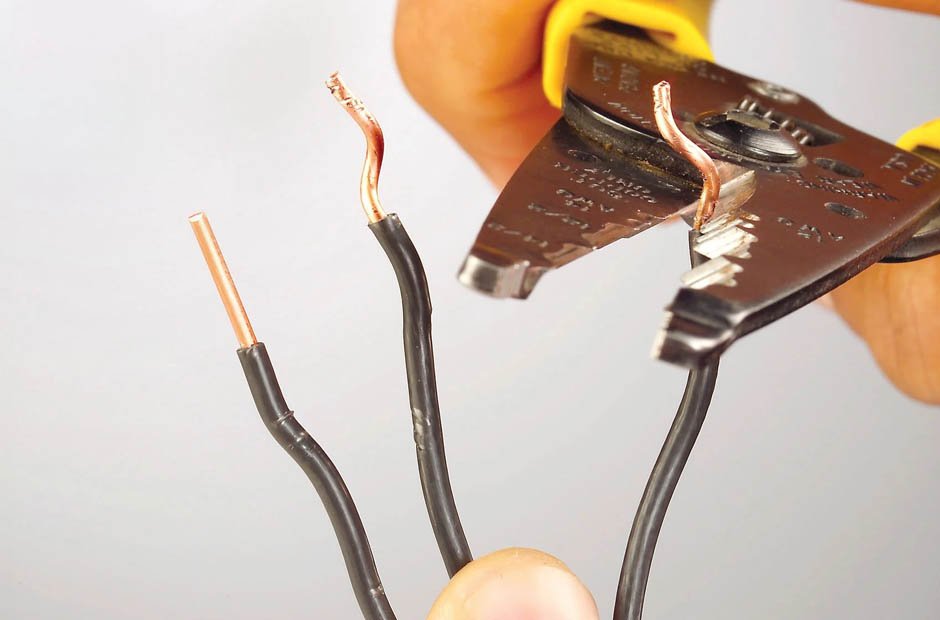
The right tools support accuracy and prevent small damage that leads to failure. A wire stripper matched to the gauge avoids nicking copper, which weakens the conductor and invites breaks. Insulated screwdrivers and pliers protect your hands while you work near live systems, even during testing. Quality materials matter just as much. Copper wires with intact insulation and connectors rated for the environment hold up far better than bargain alternatives. Use tools that fit the job rather than forcing a workaround that could slip.
Tips for Secure Wire Connections
A secure connection relies on clean contact and firm pressure. When copper surfaces meet without dirt or oxidation, electricity flows smoothly and generates less heat. Twisting wires tightly before capping them creates even contact along the length, which prevents arcing that can char insulation. You also benefit from leaving a little slack in the wire, since tension from movement or temperature changes can pull joints apart over time. You’ll know it’s a job well done if you tug on it and it is solid, and it stays cool during normal use.
Choosing and Using Connectors Safely
Different connectors suit different scenarios, and your choice influences long-term reliability. Wire nuts work well inside enclosed boxes when you match them to wire size and count. Push-in connectors save time for straight runs, yet they perform best with solid wire that slides fully into place. Screw terminals and terminal blocks are organised, serviceable connections, great for if control panels or fixtures require future access. Choose connectors that match both the wire gauge and the current load, since undersized hardware heats up faster and shortens the life of the circuit.
Safe wire connections protect your home and give you peace of mind. When you respect standards, prepare carefully, and make thoughtful choices, you create systems that work quietly in the background, letting you focus on daily life instead of hidden risks.