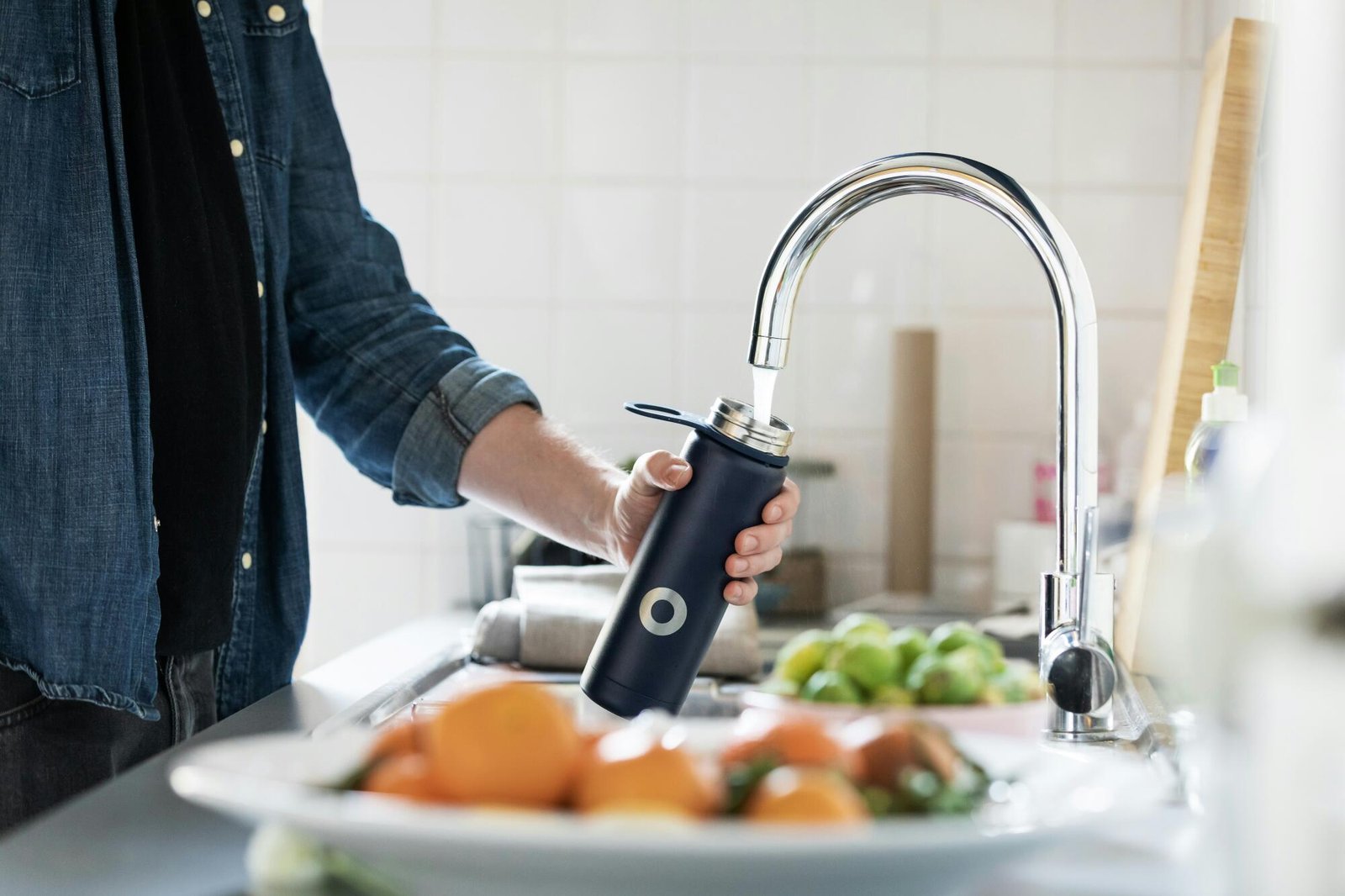
Did you know that the quality of water you drink directly affects your health? Most people don’t realize how crucial clean water is until they face health issues caused by poor water quality.
Ensuring good home water quality can lead to better health, greater energy levels, and a happier quality of life. In this guide, we will explore how to enhance water quality in your home through simple, effective methods.
Read on!
Common Water Quality Issues
Many homes struggle with water quality issues that can lead to various health problems. Here are a few common concerns:
- Chlorine and Chloramines
- Lead
- Pesticides and Pharmaceuticals
Identifying and tackling these issues is crucial for ensuring the water in your home is safe to use and drink.
Testing Your Water Quality
The first step in improving your home water quality is to test it. Testing helps you understand what contaminants might be present. You can purchase a home water testing kit or hire a professional service to assess your water.
Collect a sample of your water in a clean container. Follow the instructions included in your testing kit. Analyze the results to check for common contaminants.
Once you understand what’s in your water, you can make informed decisions on how to improve its quality.
Effective Ways to Improve Water Quality
Once you identify issues in your water, consider the following methods to enhance its quality:
1. Install a Water Filtration System
A filtration system can effectively remove impurities from your water. These devices range from simple pitcher filters to complex whole-house systems. Choose a system that matches your needs and the contaminants identified in your water test.
2. Regularly Change Filters
If you use a filtration system, remember to change the filters regularly. Old filters can become less effective and even introduce bacteria back into your water. Check the manufacturer’s guidelines to know when it’s time to change them.
3. Consider a Water Softener
If your water has a high mineral content, especially calcium and magnesium, a water softener can help. Softer water is easier on your plumbing and household appliances. This can improve the taste of your drinking water.
4. Keep Water Sources Clean
Make sure that your plumbing and water storage areas are clean and free of contaminants. Regular cleaning and maintenance prevent bacteria growth. Pay close attention to:
- Water tanks
- Pipes
- Faucets
Addressing Water Safety Concerns
There are various water safety concerns for homeowners that everyone should be aware of. Knowing about these concerns can help you take preventative steps. For example, if you have old plumbing, consider replacing it with safer materials, like PVC or copper. Monitor your water quality regularly to catch any problems early.
The Role of Boiling Water
Boiling water is a simple way to kill bacteria and parasites. If there’s a suspected contamination, boiling your water for at least one minute can make it safe to drink. This method is especially useful in emergencies.
A Commitment to Home Water Quality
By testing and improving your home water quality, you safeguard your health and enhance your family’s quality of life. From installing a reliable filtration system to addressing water safety concerns, each step you take contributes to a cleaner, healthier environment. Remember that good water quality is a journey, not just a destination.
Taking action today can lead to a healthier tomorrow!