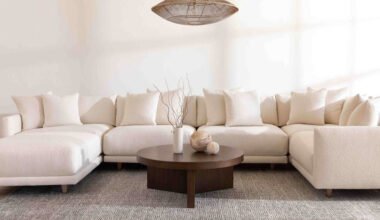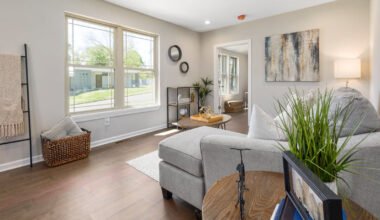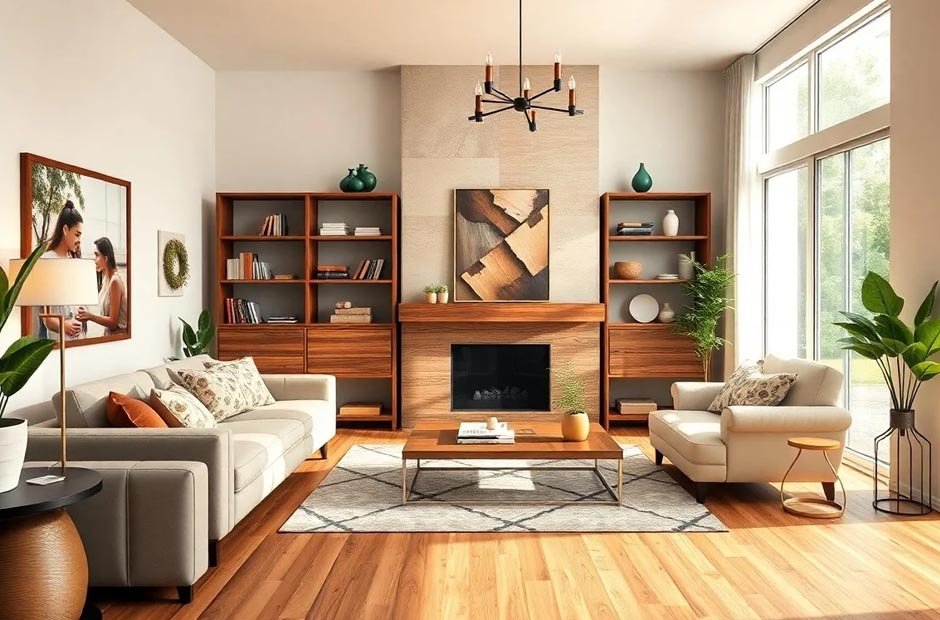
Choosing wood flooring is one way to enhance your home’s aesthetic; the material sets the tone for interior design. The material changes how you perceive the space, and the visual effects vary depending on the type of wood used. Each project involves integrating the natural character of wood within the existing interior design theme. Here are a few ways to improve home aesthetics using wood flooring options:
Choose the Right Wood Species
The species and color of wood you choose become the canvas and foundation of your home’s aesthetic. Wood flooring options include oak, walnut, and maple, all with unique tones and variations. Deep, rich tones like walnut add elegance and sophistication to a home, while lighter finishes like maple support clean, minimal interiors. Walnut, hickory, and reclaimed oak also offer visible knots or mineral streaks; these details add character in rustic interiors.
Determine your style and find species that align with the overall interior theme; some woods show grain variation while others are more uniform. These differences affect how structured or organic your home looks. You can choose light shades, such as white oak with subtle grain patterns, for minimal aesthetics in modern and contemporary styles. Look for woods that connect the flooring with furniture and wall finishes to create a cohesive visual identity.
Install Planks and Patterns Strategically
Installation patterns guide movement and influence the aesthetics of a room, and you can choose from straight, herringbone, chevron, and other styles. Straight layouts create simplicity and support modern interiors, while herringbone interlocking rectangular planks add visual rhythm and architectural detail. Chevron layouts create symmetry and enhance formal spaces with their sleek, V-shape planks.
Use wide planks with fewer seams for a seamless, expensive look and less visual clutter; this is suitable in large, open-concept spaces. Lengthwise installations can help create the perception of an elongated room, while diagonal layouts expand visual depth in compact spaces. For high-end focal points in entryways or dining rooms, use intricate patterns, such as herringbone or chevron.
Plank installation should complement the room orientation. Running planks parallel to the longest wall helps make your room appear longer, while aligning them lengthwise draws the eye forward. You can also align planks with natural light to improve grain and texture perception; proper direction enhances detail and visibility. Alignment with natural light may improve how grain and texture are viewed. Proper direction helps enhance detail visibility, and it strengthens the flooring’s visual impact.
Choose Complementary Finishes and Textures
The finish option affects how light is reflected and how textures appear. Matte finishes can highlight the wood’s natural texture while hiding scratches; this reduces maintenance requirements. Satin and glossy finishes are soft and shiny, making them ideal in polished, formal spaces where increased reflection is needed. Overly glossy finishes highlight detail, but require more frequent care to stay uniform. To enhance your home’s aesthetics, you can try:
- Contrasting wood and furniture finishes
- Choosing matte finishes for the living room and bedroom
- Using glossy textures in the home office for a professional look
- Harmonizing finishes under the same undertone for cohesion
Consult a Wood Flooring Expert
Hardwood offers a natural appeal that works for many homes and styles, including traditional, rustic, and modern interiors. Using wood to enhance your home’s aesthetics requires high-quality materials, and installation done by experienced contractors helps create cohesive and seamless designs. Consult a wood flooring expert today to compare options and plan your installation.