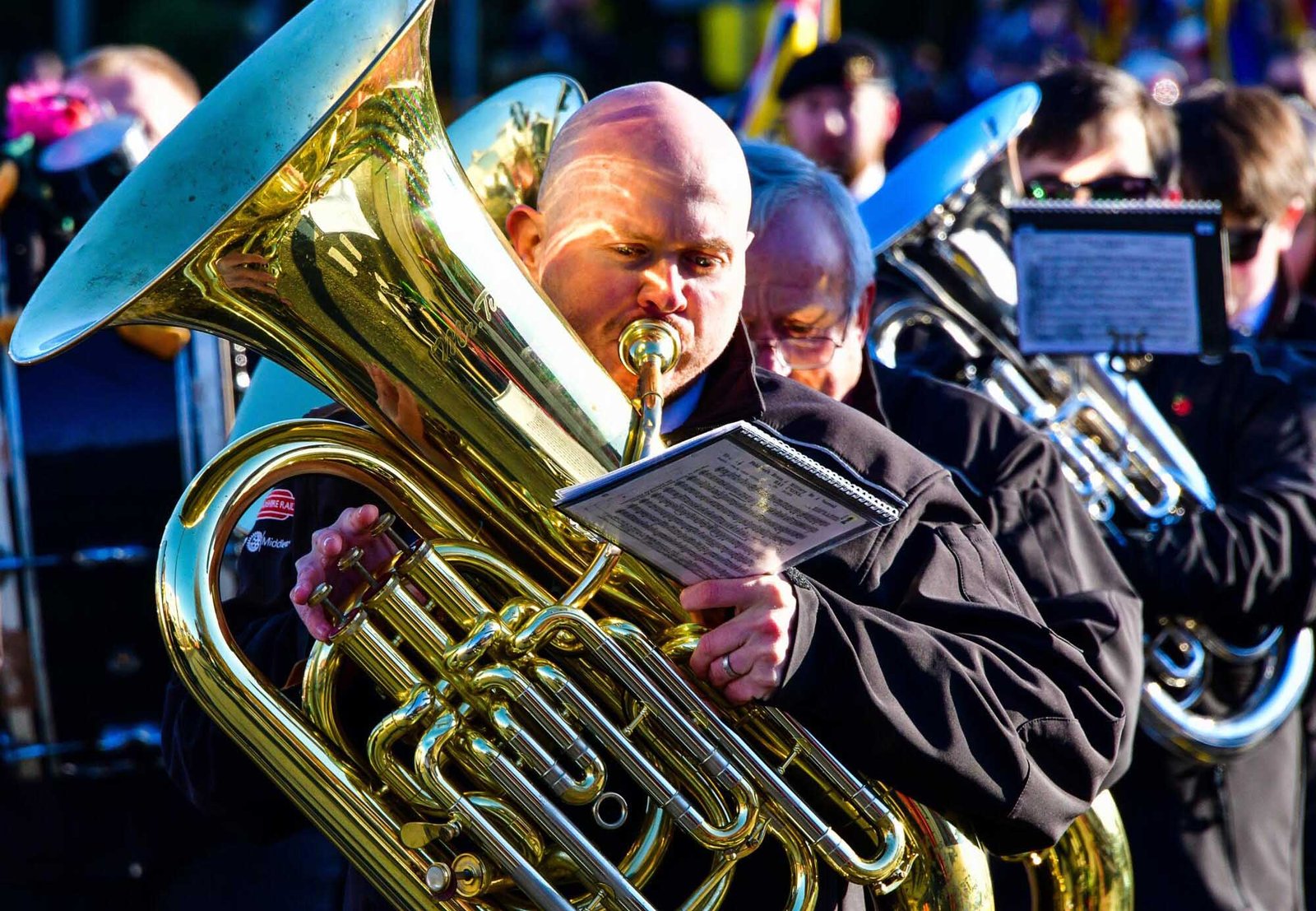
Choosing the right tuba is an important decision for any musician. Whether you are a beginner joining a school band, an intermediate player improving your skills, or a professional performing in orchestras, the tuba you choose can significantly affect your sound, comfort, and overall musical experience. With many sizes, keys, and models available, finding the best tuba for your musical instrument needs requires understanding several key factors.
This guide will help you explore the most important considerations so you can select the right instrument for your musical journey. Read on.
Understanding the Role of the Tuba
The tuba is the largest and lowest-pitched instrument in the brass family. It plays a critical role in many musical ensembles by providing the bass foundation that supports harmony and rhythm. You will commonly find tubas in:
- concert bands
- orchestras
- marching bands
- brass ensembles
- even jazz groups
Because the tuba anchors the sound of an ensemble, players need an instrument that produces a strong, rich, and consistent tone. A high-quality tuba allows musicians to produce powerful low notes while maintaining clarity and balance with the rest of the group.
Types of Tubas and Their Keys
One of the first things to consider when choosing a tuba is the key of the instrument. Tubas come in several keys, each offering different tonal characteristics and uses.
BB♭ Tuba
The BB♭ (B-flat) tuba is one of the most widely used tubas, especially among beginners and school band students. It produces a deep, warm tone and is ideal for concert bands and marching bands. Because of its accessibility and versatility, many new players start with this type of tuba.
CC Tuba
The CC tuba is commonly used by professional orchestral musicians. It has a slightly brighter tone and provides clear articulation, making it well-suited for classical orchestral music. Many advanced players prefer this instrument for its responsiveness and projection.
E♭ Tuba
The E♭ tuba is slightly smaller than the BB♭ tuba and produces a brighter sound. It is commonly used in brass bands and chamber ensembles. Its size and tonal flexibility make it a good choice for players who need both power and agility.
F Tuba
The F tuba is even smaller and higher-pitched than the others. It is often used for solo performances and advanced repertoire. Because of its agility and clarity, the F tuba allows musicians to perform complex passages more easily.
Understanding these key differences helps musicians select the instrument that best fits their musical environment and performance goals.
Important Features to Consider
When comparing tubas, several design features can affect how the instrument sounds and feels to play. Evaluating these elements carefully can help you make a better choice.
Size and Weight
Tubas come in different sizes, such as 3/4, 4/4, and 5/4. Smaller tubas are easier for younger or smaller players to handle, while larger tubas typically produce a fuller and more powerful sound. Choosing the right size ensures comfort during long rehearsals or performances.
Valve Type
Tubas usually use either piston valves or rotary valves. Piston valves move vertically and are common in many American instruments. They are often easier for beginners to maintain and repair.
Rotary valves move in a circular motion and are common in European-style tubas. Many musicians believe rotary valves allow smoother airflow and a slightly different tonal character.
Number of Valves
Most beginner tubas have three valves, while more advanced models typically have four or five valves. Additional valves allow players to reach lower notes and improve tuning accuracy across the instrument’s range. Intermediate and professional musicians often prefer tubas with at least four valves.
Tone Quality
Tone quality is one of the most important aspects of any brass instrument. A good tuba should produce a rich, resonant sound that remains consistent across different registers. Testing the instrument by playing long tones, scales, and simple melodies can help determine whether the tone matches your musical preferences.
Intonation and Response
Intonation refers to how accurately the instrument plays in tune. Some tubas require frequent slide adjustments, while others are naturally well balanced.
Response refers to how easily the instrument produces sound when air is applied. A responsive tuba allows smoother playing and better control.
Build Quality
Durability is also important when selecting a tuba. High-quality instruments are made from strong brass materials and feature carefully assembled parts.
Smooth valve action, sturdy tubing, and properly aligned slides all indicate a well-constructed instrument. Visit one of the top sellers for Tubas to help make a better decision.
Choosing the Right Tuba for Your Skill Level
Your experience level should also influence the type of tuba you choose. Here are those levels:
Beginner Players
Students and beginners should focus on instruments that are easy to play and maintain. A BB♭ tuba with three or four valves is often the best choice. These models provide a solid foundation for learning proper technique and breath control.
Intermediate Musicians
Intermediate players may benefit from upgrading to a higher-quality instrument with improved tone and intonation. A four-valve tuba can expand the player’s range and provide better control over pitch.
Advanced and Professional Players
Professional musicians often select tubas that match their specific performance environment. For example, orchestral players may prefer CC tubas, while soloists may choose F tubas. These instruments are designed with greater precision and offer more refined tonal qualities.
Budget Considerations
Tubas can vary widely in price depending on the brand, craftsmanship, and features. Student models are generally more affordable, while professional instruments can be significantly more expensive.
If you are just starting out, renting a tuba or purchasing a used instrument can be a practical option. Many music stores offer rental programs that allow students to try an instrument before making a long-term investment.
When buying a used tuba, inspect it carefully for dents, corrosion, or worn valves. These issues can affect both the sound and the longevity of the instrument.
Buy the Best Tuba for You
Selecting the right tuba is an important step in any musician’s development. By understanding the different types of tubas, evaluating key features, and considering your skill level and budget, you can find an instrument that supports your musical goals.
The right tuba will not only produce a powerful and beautiful sound but will also inspire confidence and enjoyment while performing. With careful research and thoughtful testing, you can choose a tuba that will serve you well for many years of music-making.
If you want to read more articles, visit our blog.