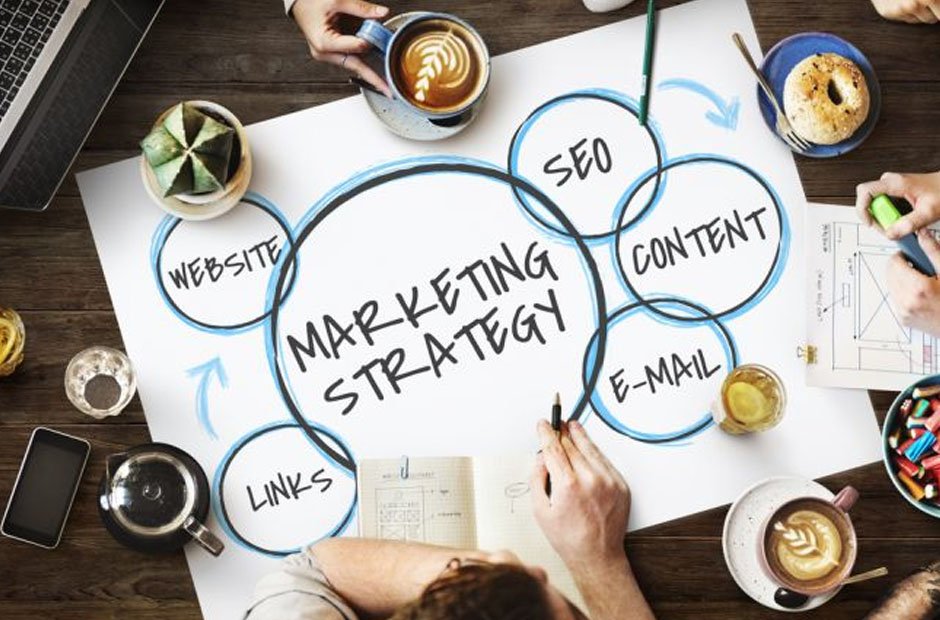
The start of a new year offers an ideal moment for businesses to pause, reflect, and refine the strategies that guide their marketing efforts. The marketing landscape rarely stays the same for long. Consumer behaviors shift, industries face new competitive pressures, and digital platforms continually evolve, each introducing new opportunities and challenges. What worked well even a year ago may no longer resonate with today’s audience, which makes strategic reflection not just useful but essential. Approaching the new year with an adaptable, updated marketing strategy enables organizations to sharpen their competitive edge, form deeper connections with customers, and generate a stronger return on investment.
Improving a marketing strategy is not about starting from scratch. Instead, it is about understanding what already works, enhancing what could work better, and aligning all initiatives with changing business needs and audience expectations. The following sections outline several key areas to focus on when strengthening your marketing strategy for the months ahead.
Conducting a Comprehensive Audit of Current Marketing Efforts
Before introducing new ideas or redirecting resources, it is crucial to understand how your existing marketing efforts are performing. A comprehensive audit provides visibility into what is driving results, what is underperforming, and which areas may hold untapped potential. This process often includes reviewing campaign metrics, analyzing customer engagement data, studying conversion rates, and evaluating how different messages or content types resonated with the intended audience.
An audit creates clarity. It reveals patterns in audience behavior, highlights channels that consistently contribute to growth, and exposes tactics that drain time or budget without producing meaningful outcomes. The insights gained from this process help businesses make smarter strategic decisions and avoid repeating past mistakes. By laying a strong analytical foundation, the audit becomes a launching pad for more intentional, informed marketing choices in the new year.
Refining Target Audience Definitions and Personas
Audience preferences change far more often than businesses realize. Demographics shift, priorities evolve, and the motivations that once drove purchase decisions can transform over time. For these reasons, refining buyer personas and audience definitions is an essential step in improving your overall marketing strategy.
Effective audience refinement involves examining recent customer behavior across different channels, gathering feedback from sales teams or customer support staff, and studying engagement data from website interactions, emails, and social platforms. This information helps marketers understand not only who their ideal customers are, but also how those customers think, what challenges they face, and what factors influence their decisions. Updated personas ultimately enhance personalization efforts, strengthen message relevance, and increase the likelihood that your marketing will resonate with the people who matter most.
Embracing Data‑Driven Decision Making
Modern marketing thrives when decisions are guided by meaningful data rather than intuition alone. With today’s analytics tools, businesses can gain deep insights into nearly every aspect of customer behavior and campaign performance. Tracking key performance indicators such as engagement rates, customer acquisition costs, click‑through rates, traffic sources, and conversion rates provides clarity around what is truly driving results.
A data‑driven approach helps marketers identify trends, pinpoint performance gaps, and optimize strategies more effectively. Data reveals which content formats resonate most, which channels drive the highest return, and which customer behaviors signal readiness to convert. When marketers regularly analyze these insights, they build strategies that are not only more efficient but also more resilient. Continuous learning and ongoing optimization ensure that marketing efforts remain aligned with current customer needs and industry trends.
Developing a Strong and Sustainable Content Strategy
Content continues to play a central role in virtually every marketing initiative, from brand awareness to lead generation to customer retention. An effective content strategy begins with a clear understanding of what your audience values and what information they seek as they progress through the customer journey. High‑quality content builds trust, positions your brand as a knowledgeable authority, and helps prospects move from curiosity to confidence.
A robust content plan should incorporate a variety of formats, such as articles, videos, infographics, podcasts, and webinars, to appeal to different learning styles and preferences. Creating a content calendar ensures consistency, message alignment, and strategic distribution across platforms. It is also beneficial to repurpose content, allowing strong pieces to reach wider audiences through multiple channels. Some organizations outsource part of their creation or planning needs to providers specializing in cross‑channel marketing agency services, which can help streamline execution and ensure a cohesive presence across all customer touchpoints.
Optimizing for Mobile and Enhancing User Experience
As mobile usage continues to rise, optimizing for mobile-friendly experiences is no longer optional. Websites must load quickly, adapt visually to different screen sizes, and offer intuitive navigation. A mobile‑optimized site supports conversions, boosts search rankings and reduces friction for users on the go.
Beyond mobile accessibility, overall user experience should remain a top priority. This includes creating clear pathways for users, simplifying menu structures, improving readability, and incorporating interactive or personalized elements when appropriate. An exceptional user experience builds trust, encourages deeper engagement, and increases the likelihood that visitors will take desired actions such as subscribing, making a purchase, or contacting your team.
Leveraging Automation and Advanced Marketing Technology
Marketing automation tools help businesses maintain consistent communication without exhausting team resources. Automated email sequences, lead‑nurturing workflows, and dynamic segmentation allow brands to deliver personalized messaging at scale. These systems trigger communications based on user behaviors, such as downloading a resource, visiting a page, or abandoning a cart.
Automation also contributes to more accurate reporting and better coordination across channels. Paired with customer relationship management tools, it becomes possible to track the full customer journey, measure long‑term engagement, and tailor content based on evolving customer needs. Technology ultimately empowers teams to work smarter, act faster, and deliver more meaningful experiences to their audiences.
Conclusion
Improving your marketing strategy in the new year requires clarity, commitment, and continuous adaptation. By auditing current efforts, updating audience insights, embracing analytics, strengthening content strategies, enhancing mobile experiences, and leveraging advanced technology, organizations can position themselves for sustainable growth. With a thoughtful and well‑executed plan, the new year becomes an opportunity to build stronger relationships, reach more customers, and elevate your brand’s impact in a competitive marketplace.