Key Takeaways
- Clear water can still contain water-quality problems, so appearance alone is not enough.
- Consistent debris removal, filtration checks, and sensible feeding help keep nutrient levels under control.
- Algae prevention works best when shade, circulation, and organic waste management are addressed together.
- Seasonal changes affect fish activity, oxygen demand, and the performance of biological filtration.
- Major cleanings should preserve beneficial bacteria and avoid sudden stress for koi.
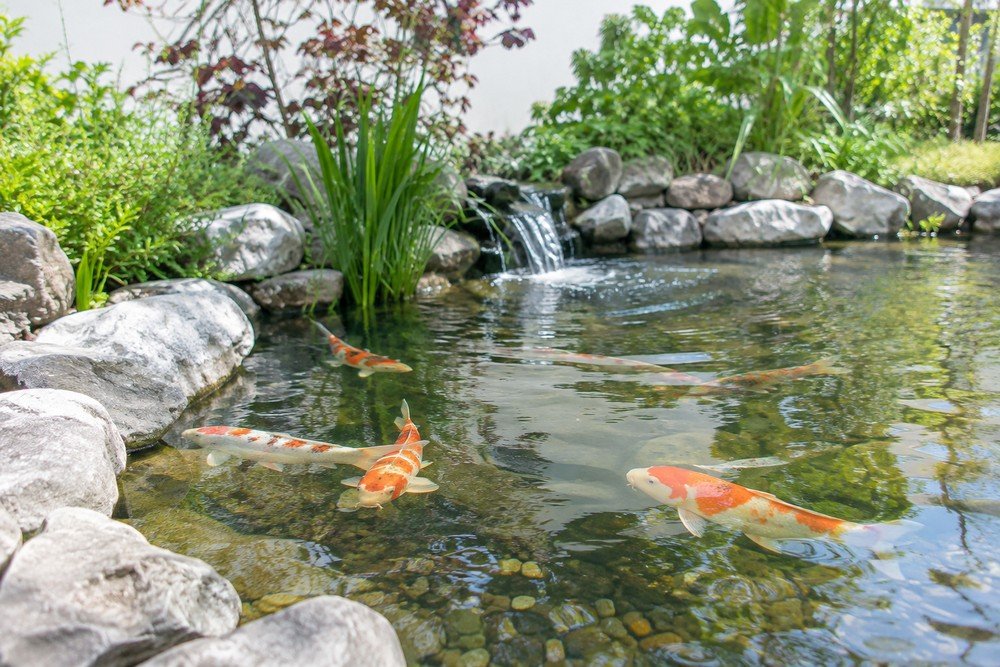
A clear koi pond is usually the result of regular observation and small, timely corrections rather than a single dramatic cleanup. Homeowners who stay ahead of leaves, sludge, feeding waste, and equipment issues can create a more stable environment for their fish. When a pond has heavy debris, persistent cloudiness, or declining circulation, a professional fish pond cleaning service may also help restore conditions without overlooking fish safety.
The goal is not to sterilize the pond. Koi rely on a living system that includes plants, filter bacteria, moving water, and routine maintenance. Healthy pond care means removing excess waste while protecting the biological processes that help break it down.
Why Pond Cleanliness Affects Koi Health
Leaves, uneaten food, fish waste, and dying plant material all add organic matter to a pond. As that material decomposes, it can contribute to cloudy water, unpleasant odors, and water-quality changes that stress fish. Stressed koi may be less resilient when faced with temperature swings, parasites, or other health challenges.
Water that looks clean is not automatically safe. Ammonia, nitrite, pH changes, and low oxygen may not be visible, which is why pond owners should pair visual inspections with routine testing.
The Main Sources of Pond Cloudiness
Cloudy, green, or brown water can have several causes, and identifying the source matters before attempting a fix. Common contributors include:
- Suspended soil or sediment after storms, digging, or fish activity near the bottom.
- Floating algae fueled by sunlight and available nutrients.
- Accumulated leaves, mulch, grass clippings, and decaying aquatic plants.
- Overfeeding, which leaves food to break down in the water.
- Too many fish for the pond volume and filtration capacity.
- A new or disrupted biological filter that has not stabilized.
- Runoff carrying soil, fertilizer, or other contaminants toward the pond.
Water Tests Every Koi Owner Should Track
A basic test kit helps reveal changes before they become obvious emergencies. Track ammonia, nitrite, nitrate, pH, alkalinity, and water temperature. If koi are gathering at the surface, breathing heavily, or acting unusually, check dissolved oxygen when possible and increase aeration immediately.
Do not view a single test result in isolation. Keep a simple log with the date, weather, temperature, feeding changes, water additions, and results. A pattern, such as a pH drop after heavy rain or a rise in ammonia after filter maintenance, is often more useful than a single number.
A Practical Weekly Pond-Care Routine
A short weekly routine can prevent many larger problems:
- Skim out leaves, floating debris, and uneaten food.
- Check pump, skimmer, waterfall, aeration equipment, and filter flow.
- Look at each fish for wounds, clamped fins, flashing, isolation, or surface gasping.
- Test core water parameters and record the results.
- Check the water level and inspect the surrounding area for signs of a leak.
- Trim dead plant growth before it falls into the pond.
- Rinse mechanical filter media only as needed to restore flow, using pond water when practical.
How to Control Algae Without Making Conditions Worse
Algae grows most readily when sunlight and nutrients are plentiful. Start with the underlying conditions rather than immediately relying on treatment products. Add shade with pond plants or an appropriately placed structure, improve circulation in slow areas, reduce excess feeding, and remove organic debris before it decomposes.
Clean the mechanical filter when reduced flow causes debris to build up, and remove string algae gradually rather than stripping the entire pond at once. If considering a treatment, confirm it is labeled for the pond’s volume and safe for its fish and plants. Misusing chemicals can have serious consequences.
When a Deep Cleaning Makes Sense
A deeper cleanup may be appropriate when sludge is thick, foul odors persist, drains are blocked, water movement has declined, or testing repeatedly shows problems despite normal maintenance. Large amounts of decaying debris can also justify more extensive work.
Plan the process before draining or disturbing the pond. Fish may need temporary, aerated holding water with dechlorinated replacement water available. Avoid abrupt temperature changes, keep fish handling to a minimum, and preserve established filter media whenever possible so the pond does not lose all of its beneficial biology at once.
Seasonal Koi Pond Care
Spring
Remove winter debris, inspect equipment, and test water more often as temperatures rise. Resume feeding gradually based on fish activity, and closely monitor for ammonia or nitrite changes as the biological filter becomes more active.
Summer
Warm water can hold less oxygen, so maintain strong aeration and circulation during hot weather. Provide shade where possible, inspect equipment daily during heat waves, and feed only what koi finish promptly.
Fall
Use netting or other leaf protection before heavy leaf drop begins. Remove dying plant material, inspect hoses and pumps, and reduce feeding as water cools and koi become less active.
Winter
Keep an area open for gas exchange when conditions freeze, but avoid repeatedly disturbing cold-water fish. Check equipment after storms and adjust or stop feeding based on water temperature and fish behavior.
Common Cleaning Mistakes to Avoid
- Draining the pond without a safe, aerated fish-holding plan.
- Scrubbing every surface and removing too much beneficial biology.
- Using untreated tap water for fish, pond water, or filter media.
- Adding products without accurately measuring pond volume.
- Removing too much algae at one time.
- Ignoring low oxygen or fish stress after a treatment.
- Overfeeding inactive fish.
- Adding new koi without an appropriate quarantine process.
When to Call a Qualified Pond Professional
Outside help may be appropriate for major sludge removal, recurring fish losses, electrical issues, structural leaks, severe algal blooms, or filtration failures that routine maintenance does not resolve. Before authorizing major work, ask how fish will be protected, how replacement water will be treated, and what post-cleaning monitoring is recommended.
Conclusion
A healthy koi pond depends more on steady care than on occasional dramatic cleanups. Regular testing, reliable circulation, moderate feeding, debris control, and seasonal preparation all help keep water stable and fish safer. Address small changes early, and make every cleaning decision with the koi and the pond’s biological balance in mind.