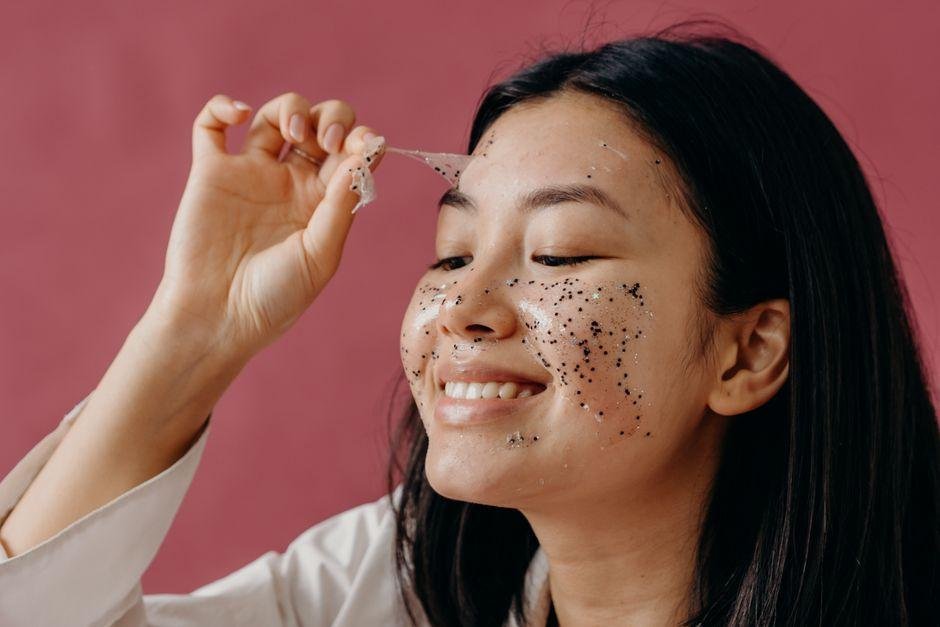
Skin concerns can creep up slowly. A few breakouts become lingering marks, uneven texture becomes harder to ignore, and sun exposure starts showing up in ways your everyday skincare routine does not fully address. These issues are common: the American Academy of Dermatology says acne affects up to 50 million Americans each year, while approximately 85% of people ages 12 to 24 experience at least minor acne.
Sun-related changes are widespread too. In a 2025 AAD survey, 4 in 10 adults reported wrinkles or dark spots they believed were caused by sun exposure, and only 56% said they used sunscreen regularly.
For people considering professional skin treatments in Spring Hill, concerns such as acne marks, uneven tone, rough texture, and visible sun damage can all influence the decision. A chemical peel is one option, but it makes more sense when you understand what it can realistically improve, how recovery works, and whether it suits your skin type and goals.
What happens to your skin during resurfacing
A chemical peel uses a controlled acid solution to exfoliate the top layers of your skin. That sounds intense, and sometimes it is, but the goal is simple: speed up cell turnover so newer skin can come forward.
You might use a peel to address:
– Acne and clogged pores
– Fine lines
– Uneven skin tone
– Sun damage
– Post-acne marks
– Rough texture
Different peels work at different depths. Superficial peels target the outermost layer and usually come with light flaking. Medium peels go deeper and often involve more visible peeling and downtime.
Think of it less like a one-shot miracle and more like a reset button with rules. If you expect your skin to emerge overnight looking airbrushed, your expectations may need a quick exfoliation too.
When a peel makes sense and when it doesn’t
Chemical peels can be effective, but they’re not the best move in every situation. If your skin barrier is damaged, your face is irritated, or you’re dealing with active eczema, a peel can make things worse fast.
A provider may tell you to hold off if you:
– Have open cuts or sunburn
– Recently used isotretinoin
– Have an active cold sore outbreak
– Are overusing retinoids or exfoliating acids
– Have a history of certain pigment complications
Timing matters more than people think. Getting a peel right before a beach trip, a major event, or a week of outdoor sports is usually poor planning. Your skin will be more vulnerable to UV exposure while healing.
If concerns like uneven texture, acne marks, or sun damage have not responded well to your usual skincare routine, a professional treatment may be worth considering. When comparing options such as chemical peels in Spring Hill, focus on more than the promised results. Your skin type, current condition, sensitivity, and treatment goals all help determine whether the procedure is a good fit right now.
The main types of peels and who they tend to suit
Not all peels are built the same. The acid blend, strength, and depth all affect how your skin responds. Common ingredients include glycolic acid, salicylic acid, lactic acid, and trichloroacetic acid.
In general:
– Glycolic acid often helps with dullness and fine lines
– Salicylic acid is popular for oily or acne-prone skin
– Lactic acid tends to be gentler and may suit sensitive skin
– TCA peels are stronger and often used for more noticeable texture or pigment issues
Your skin tone matters too. Deeper peels can increase the risk of post-inflammatory hyperpigmentation, especially if you have medium to deep skin tones.
That doesn’t mean peels are off-limits. It means customization matters. A peel that works beautifully for your friend may be a bad idea for you, even if you both bought the same cleanser and swear by the same sunscreen.
What a real consultation should cover
A proper consultation should feel specific, not scripted. If someone glances at your face for ten seconds and recommends the strongest peel on the menu, that’s not exactly reassuring.
A solid consultation usually includes:
– Your skin concerns and goals
– Your skin type and tone
– Current skincare products
– Any history of allergies or reactions
– Medications, including acne treatments
– Your schedule and tolerance for downtime
You should also hear clear explanations about risks, expected results, and how many sessions you may need. One peel can help, but a series is often recommended for acne marks, sun damage, or persistent texture issues.
Ask blunt questions. Will you peel visibly? How long will redness last? What should you stop using beforehand? Good providers won’t dodge those details. Skin is not the place for mystery packaging.
What the treatment feels like and what happens after
During the peel, you may feel tingling, warmth, or a stinging sensation for a few minutes. Some peels are mild enough to feel only slightly spicy. Others have a stronger burn-and-fan situation going on.
After treatment, your skin may look:
– Pink or red
– Tight and shiny
– Slightly swollen
– Dry before it starts to flake or peel
Recovery depends on depth. Light peels may cause minor dryness for a few days. Medium peels can lead to more dramatic peeling for nearly a week.
The biggest mistake people make is picking at peeling skin. It’s tempting, especially when you want everything smooth immediately, but pulling flakes can cause irritation, scarring, and uneven healing.
For a few days, your skincare routine should become extremely boring. That’s a compliment. Gentle cleanser, moisturizer, sunscreen, and patience do most of the heavy lifting.
The aftercare rules that matter most
Aftercare can shape your results just as much as the peel itself. Freshly treated skin is more sensitive, and skipping basic precautions can turn a good treatment into a frustrating setback.
Focus on these essentials:
– Use a gentle, fragrance-free cleanser
– Apply a bland moisturizer regularly
– Wear broad-spectrum SPF 30 or higher every day
– Avoid retinoids, scrubs, and strong acids until cleared
– Skip hot saunas, intense workouts, and excess sweating for a short period
– Don’t wax treated areas while healing
Sun protection is the big one. If you get a peel and then spend hours outside unprotected, you’re practically inviting discoloration to move in and unpack its bags.
If anything feels off, such as severe swelling, blistering, or prolonged irritation, contact your provider promptly. Mild peeling is normal. A dramatic skin revolt is not.
How to decide if a peel is worth it for you
A chemical peel can be a smart option if your concerns involve texture, mild acne, pigment irregularities, or early signs of sun damage. It may be less useful if you want major tightening or deep scar correction, where other treatments might be more appropriate.
Before you book, consider:
- Your skin goals
- Your budget for one session or a series
- Your tolerance for downtime
- Your ability to follow aftercare closely
- Whether your daily habits support healing
Also be honest about your expectations. The American Academy of Dermatology’s guidance on chemical peel results and recovery explains that outcomes and healing time can vary depending on the depth of the treatment.
Aftercare matters just as much. Freshly treated skin can be more vulnerable to sunlight, making consistent protection particularly important. The Skin Cancer Foundation recommends using broad-spectrum sunscreen alongside other sun-protection measures.
Peels can improve the appearance of certain skin concerns, but they do not replace sunscreen, consistency, or a thoughtful routine. They make the most sense as one part of a broader skincare plan rather than a magic eraser.