Have you ever wondered what really happens after unwanted household items leave your home? Many people toss things away without knowing the risks to health, safety, and the environment.
Old habits once taught careful handling, reuse, and respect for materials. Today, those lessons matter more than ever as waste piles grow. Safe disposal protects families, neighborhoods, and natural resources.
This guide explains clear methods to dispose wisely, cut waste, and keep homes and communities clean. Read on!
Understanding Household Waste Categories
Household waste falls into clear groups that guide safe disposal choices made every day. Common items include daily trash, recyclables, organic scraps, and special materials found in many homes. Knowing these groups prevents careless mixing that can lead to damage or safety issues.
Daily trash covers items that cannot be reused or recycled easily in most places. Recyclables often include paper, glass, metal, and certain plastics accepted by local programs. Organic scraps usually come from food leftovers and yard waste collected during routine cleaning.
Special materials need extra care because they pose risks when handled poorly. These include chemicals, batteries, electronics, and sharp objects that can injure people.
Safe Disposal of Hazardous Items
Dangerous things should never be thrown in the normal trash cans at home. Chemicals in paint, cleaners, and pesticides can hurt the soil and water. Careful handling is based on long-standing safety rules that have been passed down through generations.
Every year, a lot of towns have collection days for hazardous household waste. These programs keep sanitation workers, families, and the public safe. Looking at local schedules helps you plan the right way to drop off without any trouble.
Product labels often tell you how to throw them away, and you should always follow these instructions carefully. Original containers help keep spills from happening when you move or store things. If you ignore tools and substances that can hurt you, old wisdom says to respect them.
Responsible Recycling Practices at Home
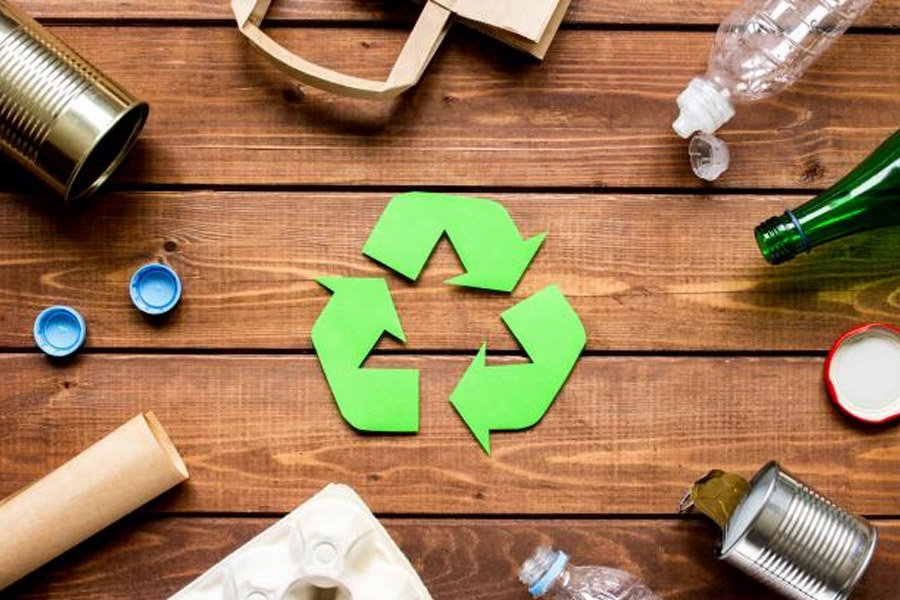
It is easier to recycle things correctly if they are clean and sorted before they are picked up. Rinsing containers gets rid of residue that can ruin whole loads of recyclable materials. Recycling becomes more effective and dependable with simple habits.
The paper should be clean and dry, with no food or grease stains on it. If you recycle glass and metal correctly using approved systems, they will last longer. There are different kinds of plastic, so looking at the symbols helps you avoid expensive errors.
People should be able to sort things naturally and easily, where bins are visible. Labels that are easy to read help kids and visitors in the house understand where things are. Teaching these habits keeps traditions of care and responsibility alive.
Managing Bulky Items and Furniture
It is necessary to plan when moving large things out of a house or building. Appliances and furniture can block paths and hurt people very badly. Measuring spaces keeps walls and doors from getting damaged.
Give many older things a second chance; they were made to last. In general, donation centers will take tables, chairs, cabinets, and shelves that are in good enough shape to be used again. Items that are passed on are valued for being thrifty, useful, and practical.
When items cannot be reused, proper hauling still matters greatly. Some services focus on safe lifting and sorting, including junk removal for oversized goods. Choosing careful help reduces risk and prevents property damage.
Eco-Friendly Disposal of Electronics
Electronics have useful metals in them, but they also have harmful parts. Throwing them away causes pollution and wastes resources. Recycling carefully gets materials that can be used in new products.
Personal information and records are often kept on old computers and phones. Erasing data protects privacy before throwing things away or recycling them. This move shows that you are a good owner and that you know how to be safe online.
It is possible for community events and stores to regularly take e-waste. Manufacturer programs also help people return old devices the right way. These choices are in line with modern rules while still using traditional care.
Reducing Waste Through Reuse Habits
Reuse keeps useful items in service longer and reduces constant buying. Containers, jars, and bags can serve many purposes around the home. This habit saves money while conserving materials.
Clothing can be repaired, shared, or altered for extended use. Simple sewing and mending were once common household skills. Reviving them reduces waste and builds self-reliance.
Creative reuse turns scraps into tools, storage, or decor. Old wood, fabric, and metal often find fresh roles. Such practices respect effort, resources, and craftsmanship.
Composting Organic Household Waste
Composting returns food scraps to the soil naturally. Peels, coffee grounds, and leaves break down over time. This process mirrors traditional gardening methods used for centuries.
Backyard piles or bins help control odor and pests. A proper balance of wet and dry material truly matters. Turning compost regularly speeds breakdown and improves results.
Finished compost enriches gardens and lawns with nutrients. It reduces the need for chemical fertilizers. Healthy soil supports strong and lasting plant growth.
Proper Handling of Construction Debris
Home projects create debris that needs careful sorting. Wood, drywall, and metal should be separated for safety. This prevents unsafe piles and clutter.
Reusable materials can serve future repairs or small builds. Salvaging parts reflects careful building traditions from the past. It also cuts disposal costs.
Local rules often govern the disposal of heavy construction debris. Permits or special bins may be required by law. Following the rules avoids fines and unnecessary trouble.
Teaching Safe Disposal to Future Generations
Children learn habits by watching daily actions at home. Showing care with waste builds lasting values. These lessons shape responsible adults.
Clear rules at home make disposal routines simple. Assigned bins and schedules create order and structure. Consistency strengthens understanding over time.
Sharing reasons behind rules encourages respect and awareness. Stories from past practices add meaning and depth. Knowledge passed down protects the future.
Protecting the Environment by Safely Disposing of Household Items
When done regularly, safe disposal and waste reduction protect homes, communities, and the environment. Sorting things, reusing things that are still useful, and following the law are all things that show you are responsible.
These habits lower risk, save resources, and show people how to act. Thinking about how to get rid of something helps clean up land and neighborhoods.
Small choices every day are more important than big promises. Waste can be controlled by going back to careful methods and routines.
Did you like this guide? Great! Please browse our website for more!